Introduction
Ovarian cancer is one of the most challenging gynecological cancers because it often develops silently and is detected at a later stage. Understanding the causes of ovarian cancer and the factors that increase risk is essential for early detection, prevention, and informed health decisions. While the exact cause of ovarian cancer remains unknown, researchers have identified several genetic, biological, and lifestylerelated factors that contribute to its development. This comprehensive guide explores the leading causes and risk factors associated with ovarian cancer to help women stay aware and proactive about their health.
Causes of Ovarian Cancer
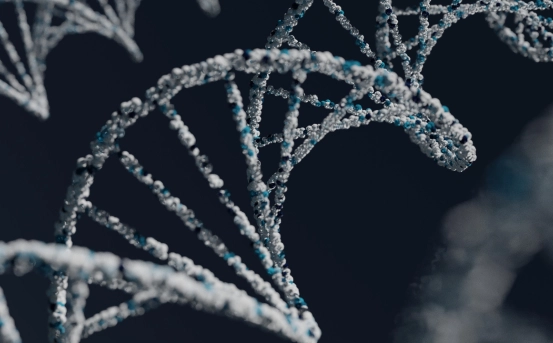
- Genetic Mutations and Family History : One of the strongest known causes of ovarian cancer is genetic mutation, particularly in the BRCA1 and BRCA2 genes. These genes normally help suppress tumors, but mutations increase the likelihood of ovarian and breast cancers.
- Hereditary Risk
Women with a family history of
- Ovarian cancer
- Breast cancer
- Colon cancer
- Endometrial cancer
- Age and Hormonal Factors
- Advancing Age : Ovarian cancer risk increases with age. Most cases occur in women over 50, particularly after menopause. As the body undergoes hormonal changes and cellrepair processes slow down, the likelihood of abnormal cell growth rises.
- Hormone Replacement Therapy (HRT) : Longterm use of estrogenonly hormone replacement therapy after menopause may increase the risk. This is believed to influence cell growth in the ovaries due to prolonged estrogen exposure.
- Menstrual and Reproductive Factors : Conditions that increase the number of menstrual cycles in a woman’s lifetime can slightly raise ovarian cancer risk. These include
- Starting periods early (before age 12)
- Late menopause
- Never having been pregnant
The theory behind this is “incessant ovulation”, which suggests that continuous ovulation without breaks increases cell turnover in the ovaries, leading to potential DNA damage over time.
- Endometriosis and Other Medical Conditions
- Endometriosis : Women with endometriosis, a condition where tissue similar to the uterine lining grows outside the uterus, have a higher risk of developing certain types of ovarian cancer, particularly endometrioid and clear cell cancers.
- Polycystic Ovary Syndrome (PCOS) : Although research is ongoing, PCOS characterized by hormonal imbalance and irregular ovulation may also play a role in increasing ovarian cancer risk.
- Inflammation : Chronic inflammation in the pelvic region can contribute to DNA alterations, potentially triggering cancerous growth in ovarian cells.
- Lifestyle and Environmental Factors
- Obesity : Obesity is strongly linked to hormonal changes and chronic inflammation, both of which are associated with ovarian cancer development. Excess body fat increases estrogen levels, which may stimulate abnormal cell growth in the ovaries.
- Smoking
- Smoking is known to increase the risk of mucinous ovarian tumors, a specific type of ovarian cancer. Tobacco contains carcinogens that can damage DNA and initiate cancerous changes.
- LowFiber, HighFat Diet : While not a direct cause, diets high in saturated fats and low in fiber are associated with a higher risk of several cancers, including ovarian cancer, due to effects on hormone levels and inflammation.
- Reproductive Choices and Fertility Treatments
- Use of Fertility Drugs : Some studies suggest that prolonged use of fertility medications, particularly if pregnancy is not achieved, may increase ovarian cancer risk. However, research is mixed, and more studies are needed for conclusive evidence.
- Not Having Children : Women who have never been pregnant or who have had their first pregnancy after age 35 may be at a slightly higher risk due to continuous ovulation and hormonal exposure.
- Oral Contraceptive Pills : Interestingly, longterm use of birth control pills has been shown to reduce ovarian cancer risk. This is because the pill suppresses ovulation, giving the ovaries fewer cycles of cell turnover.
- Exposure to Talcum Powder : For many years, research has explored the connection between talcum powder particularly when used in the genital area and ovarian cancer. Though findings are still debated, some studies suggest that talc particles may travel through the reproductive tract and trigger inflammation in ovarian tissues. While not a confirmed cause, many health experts advise avoiding talcbased products as a precaution.
- Genetic Syndromes Beyond BRCA Mutations : Besides BRCA1 and BRCA2, several other inherited genetic conditions can increase ovarian cancer risk, including
- Lynch syndrome (HNPCC)
- Peutz–Jeghers syndrome
- Cowden syndrome
These syndromes affect how the body repairs DNA or controls cell growth, increasing the potential for cancerous changes.
- Personal History of Other Cancers : Women who have had
- Breast cancer
- Uterine cancer
- Colon cancer
may have a higher risk of ovarian cancer, especially if the underlying cause relates to genetic mutations or hormonal influences.
- Can Ovarian Cancer Be Prevented? : While ovarian cancer cannot be completely prevented, certain measures can significantly reduce the risk
- Regular gynecological checkups
- Genetic testing for highrisk women
- Using oral contraceptives (under medical guidance)
- Maintaining a healthy weight
- Avoiding smoking
- Managing medical conditions like endometriosis early
Women with very high genetic risk may consider riskreducing surgery, such as removal of the ovaries and fallopian tubes, as recommended by specialists.
Conclusion
Understanding the causes of ovarian cancer empowers women to take control of their health through awareness, lifestyle choices, and timely medical care. While many risk factors cannot be changed, recognizing them helps guide preventive strategies and early detection efforts. If you have a family history of ovarian or related cancers, talk to your healthcare provider about screening, genetic counseling, and personalized riskreduction options. Early knowledge and proactive care can make a lifechanging difference.