Introduction
Chemotherapy is a widely used cancer treatment that works by targeting fastgrowing cancer cells. While it’s highly effective, it can also affect healthy cells, leading to a range of side effects. Understanding the symptoms of chemotherapy, why they occur, and how to manage them can help patients and caregivers feel more prepared and confident throughout the treatment journey.
What Causes Chemotherapy Symptoms?
Chemotherapy drugs circulate through the bloodstream to destroy rapidly dividing cancer cells. However, some healthy cells especially those in the digestive tract, blood, hair follicles, and reproductive system also divide quickly. This overlap is the primary reason why side effects occur. The severity and type of symptoms vary from person to person based on
- The type of chemotherapy medicine
- Dosage and frequency
- The patient’s overall health
- Individual body response
Understanding these factors helps set realistic expectations during treatment.
Most Common Symptoms of Chemotherapy
- Fatigue : Fatigue is one of the most frequently reported chemotherapy symptoms. Unlike normal tiredness, chemorelated fatigue can feel overwhelming and persist even after resting.
Management Tips
- Prioritize sleep and short naps
- Maintain a light activity routine such as walking
- Stay hydrated and eat nutritious meals
If fatigue becomes extreme, patients should discuss this with their oncologist.
- Nausea and Vomiting : Chemotherapy can irritate the stomach lining and trigger the brain’s vomiting center, causing nausea and vomiting.
Management Tips
- Take prescribed antinausea medications
- Eat small, frequent meals
- Avoid spicy or greasy foods
- Sip ginger tea or electrolyte fluids
Modern treatments have significantly improved nausea control, making this symptom more manageable.
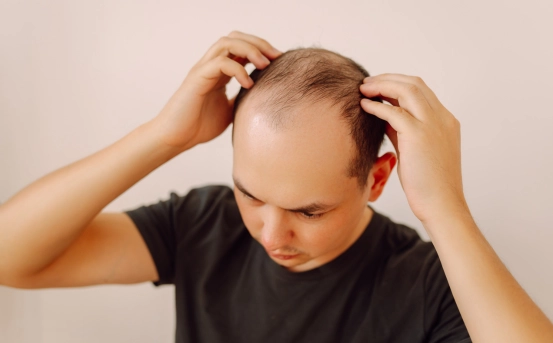
- Hair Loss : Hair loss or thinning (known as alopecia) occurs because chemotherapy attacks hair follicle cells. It may affect scalp hair, eyebrows, eyelashes, and body hair.
Management Tips
- Use gentle hair products
- Consider scarves, wigs, or caps
- Protect the scalp from sunlight
Hair usually grows back after treatment ends, sometimes with a different texture or color.
- Appetite Changes : Some patients experience a reduced appetite due to nausea, fatigue, or taste changes. Others may notice heightened hunger due to certain steroids used during treatment.
Management Tips
- Eat nutrientdense foods
- Set meal reminders if appetite is poor
- Include more protein to maintain energy and strength
A nutritionist can help create a personalized eating plan.
- Skin and Nail Changes : Chemotherapy may cause dry skin, darkened patches, brittle nails, or increased sensitivity to sunlight.
Management Tips
- Apply fragrancefree moisturizers
- Use sunscreen SPF 30+
- Keep nails trimmed and clean
Notify your doctor if blistering, severe rashes, or infections occur.
- Mouth Sores (Mucositis) : Chemotherapy affects the lining of the mouth, sometimes leading to painful ulcers, swelling, or difficulty swallowing.
Management Tips
- Rinse with saltwater or a doctorrecommended mouthwash
- Avoid acidic foods
- Use a softbristle toothbrush
- Stay hydrated
If sores make it difficult to eat or drink, medical care is essential.
- Low Blood Counts : Chemotherapy can reduce the production of red blood cells, white blood cells, and platelets, leading to
- Anemia fatigue, shortness of breath
- Neutropenia increased infection risk
- Thrombocytopenia easy bruising or bleeding
Management Tips
- Report fever or unusual bleeding immediately
- Practice good hygiene
- Avoid crowded places when immunity is low
Doctors may prescribe growthfactor injections or adjust treatment.
- Digestive Issues : Chemotherapy may cause diarrhea, constipation, abdominal cramps, or bloating as it affects the gastrointestinal system.
Management Tips
- Drink plenty of fluids
- Increase fiber intake for constipation
- Follow a bland diet during diarrhea episodes
- Take prescribed medications
Proper hydration is crucial to prevent complications.
- Nerve Damage (Neuropathy) : Some chemotherapy drugs may cause tingling, numbness, or burning sensations in the hands and feet due to nerve irritation.
Management Tips
- Use warm compresses
- Avoid extreme temperatures
- Wear comfortable shoes
- Notify the doctor early to adjust treatment if necessary
If untreated, neuropathy may become longterm.
- Emotional and Mental Health Changes : Chemotherapy can take a toll emotionally, leading to anxiety, mood swings, or depression. Hormonal changes, physical symptoms, and fear surrounding cancer can amplify these feelings.
Management Tips
- Join support groups
- Practice mindfulness
- Seek counseling if needed
- Maintain regular communication with loved ones
Mental wellbeing is just as important as physical health during treatment.
When to Seek Medical Help?
Some chemotherapy symptoms require immediate medical attention. Contact your healthcare provider if you experience
- Fever above 100.4°F (38°C)
- Severe vomiting or dehydration
- Sudden bleeding or unexplained bruises
- Difficulty breathing
- Chest pain
- Confusion or severe headaches
- Signs of infection, such as chills or persistent cough
Prompt care ensures timely management and prevents complications.
Tips to Manage Chemotherapy Symptoms Effectively
- Stay hydrated and eat balanced meals
- Follow medication instructions closely
- Track symptoms in a journal
- Ask your care team about vitamins or supplements
- Maintain a mild exercise routine
- Accept support from friends, family, and healthcare providers
Proper preparation and open communication can make chemotherapy more manageable.
Conclusion
Understanding the symptoms of chemotherapy is essential for navigating cancer treatment with confidence. While side effects can be challenging, modern medical care, supportive therapies, and lifestyle adjustments can significantly improve comfort and quality of life. Always keep your healthcare team informed about any new or worsening symptoms so they can tailor the treatment plan to your needs.