Introduction
Liver and bile duct diseases are more common than most people realize. These conditions often begin silently, progressing gradually until noticeable symptoms start affecting daily life. Because the liver performs more than 500 vital functions including detoxification, digestion support, metabolism, and immunity even a small issue can create major health disturbances. Similarly, the bile ducts help transport bile from the liver and gallbladder to the intestine. When they are blocked or inflamed, digestion and liver function are directly affected. Early recognition of symptoms is the key to preventing life-threatening complications.
Why Symptoms Occur in Liver and Bile Duct Diseases
Liver cells help filter toxins, process nutrients, and produce vital proteins. When damaged by infections (like hepatitis), alcohol, fatty liver, autoimmune disorders, genetic diseases, or bile duct obstruction, they fail to perform these functions effectively. Bile duct diseases including gallstones, bile duct strictures, cholangitis, or tumors block the smooth flow of bile. This leads to bile accumulation, causing inflammation, infection, and severe digestive issues. Since the liver and bile ducts collectively support digestion, detoxification, metabolic balance, and hormone regulation, any disturbance can lead to a wide range of symptoms.
Key Symptoms of Liver and Bile Duct Diseases
Below are the most common and clinically important symptoms to watch for
- Jaundice (Yellowing of Skin and Eyes) :- Jaundice is one of the most recognizable signs of liver and bile duct problems. It occurs when bilirubin, a yellow pigment, builds up in the body. A healthy liver processes bilirubin easily. But in liver disease or bile duct blockage, bilirubin accumulates in the bloodstream, causing:
- Yellow skin
- Yellow sclera (white part of the eye)
- Dark urine
- Pale or clay-colored stools
Jaundice can be caused by hepatitis, cirrhosis, gallstones, bile duct obstruction, alcoholic liver disease, or tumors.
- Persistent Fatigue and Weakness :- Chronic tiredness is one of the earliest symptoms. When the liver is inflamed or damaged, it cannot properly remove toxins. This causes:
- Low energy levels
- Brain fog
- Physical weakness
- Reduced stamina
Fatigue worsens as the disease progresses, especially in fatty liver disease and cirrhosis.
- Abdominal Pain or Discomfort :- Liver and bile duct diseases commonly cause
- Pain in the upper right abdomen
- A dull, heavy sensation
- Sharp pain if gallstones block the bile duct
- Pain that radiates to the shoulder or back
Inflammation of liver tissue (hepatitis), swelling, or bile duct obstruction can all trigger significant discomfort.
- Nausea, Vomiting, and Appetite Loss :- When bile flow is reduced, digestion becomes difficult. Fat metabolism slows down, leading to
- Frequent nausea
- Vomiting
- Loss of appetite
- Early satiety (feeling full too quickly)
Patients often lose weight unintentionally because digestion becomes inefficient.
- Dark Urine and Pale Stools :- When bilirubin levels increase due to liver dysfunction, urine turns dark brown or tea-colored. Pale stools indicate a lack of bile reaching the intestine an important sign of
- Bile duct blockage
- Gallstones
- Biliary atresia
- Tumors obstructing the bile duct
Both symptoms require prompt medical evaluation.
- Swelling in Legs, Ankles, or Abdomen :- Fluid accumulation is a hallmark of advanced liver disease
- Ascites — fluid buildup in the abdomen
- Edema — swelling in ankles and legs
Reduced liver function leads to low albumin levels, making fluid leak into tissues.
- Itching of the Skin (Pruritus) :- A buildup of bile salts in the bloodstream often causes intense itching, especially at night. This is commonly seen in
- Primary biliary cholangitis
- Bile duct obstruction
- Cholestasis of pregnancy
- Primary sclerosing cholangitis
Itching with jaundice is a classic sign of bile duct disease.
- Easy Bruising and Bleeding :- The liver produces proteins responsible for blood clotting. When damaged, the body becomes prone to
- Frequent nosebleeds
- Gum bleeding
- Bruises even after mild impact
- Prolonged bleeding from small cuts
This is common in cirrhosis and acute liver failure.
- Bloating and Digestive Disturbances :- Because bile helps digest fats, bile duct disorders lead to
- Gas
- Indigestion
- Bloating
- Diarrhea
- Greasy or oily stools (steatorrhea)
Patients often report discomfort after eating fatty meals.
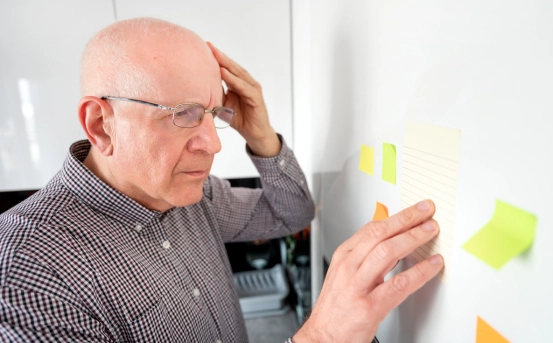
- Confusion or Memory Problems (Hepatic Encephalopathy) :- In severe liver disease, toxins like ammonia accumulate in the bloodstream and affect brain function. Symptoms include
- Confusion
- Mood changes
- Difficulty concentrating
- Forgetfulness
- Sleep disturbances
- Personality changes
This is a medical emergency and needs immediate treatment.
- Fever and Chills :- Infections of the bile ducts (cholangitis) can produce
- High fever
- Chills
- Severe abdominal pain
- Jaundice
This condition requires urgent hospitalization.
- Sudden or Unexplained Weight Loss :- Weight loss occurs due to
- Poor appetite
- Malabsorption of nutrients
- Increased body energy demands
- Chronic inflammation
It may be a sign of advanced liver disease or malignancy in the bile ducts.
When to See a Doctor
Seek medical help immediately if you experience
- Jaundice
- Persistent abdominal pain
- Dark urine or very pale stools
- Severe fatigue
- Confusion or drowsiness
- Swelling in the abdomen or legs
- Fever with jaundice
Early diagnosis improves outcomes significantly.
How Liver and Bile Duct Symptoms Are Diagnosed
Doctors may recommend
- Liver function tests (LFT)
- Ultrasound
- MRI / MRCP
- CT scan
- Endoscopic ultrasound (EUS)
- ERCP
- Fibroscan
- Blood tests for hepatitis
- Biopsy (in severe cases)
Timely investigation ensures proper treatment.
Conclusion
Liver and bile duct diseases develop gradually but often reveal themselves through clear symptoms. Whether you notice jaundice, fatigue, digestive issues, or abdominal pain, early medical evaluation can prevent complications like cirrhosis, liver failure, infections, or even cancer. Being aware of these symptoms helps you take charge of your health early. Remember your liver is one of the most hardworking organs in the body. Don’t ignore the signs it gives you.