Introduction
Urological cancers are a group of malignancies that affect the urinary tract and the male reproductive system. These cancers begin in the organs responsible for filtering urine, storing it, and eliminating it from the body. While the word “cancer” can be intimidating, understanding the basics of what urological cancer is, how it develops, and what symptoms to watch for can help patients take timely action and improve outcomes.
What Is Urological Cancer?
Urological cancer refers to any type of cancer that develops in the organs of the urinary system or the male reproductive system. These include
- Kidneys
- Ureters
- Bladder
- Urethra
- Prostate (in men)
- Testicles (in men)
Each of these organs plays a vital role in filtering blood, producing urine, and regulating male reproductive health. When abnormal cells begin to grow uncontrollably in any part of this system, urological cancer occurs.
These cancers can affect both men and women, although some like prostate and testicular cancer occur exclusively in men.
Common Types of Urological Cancer
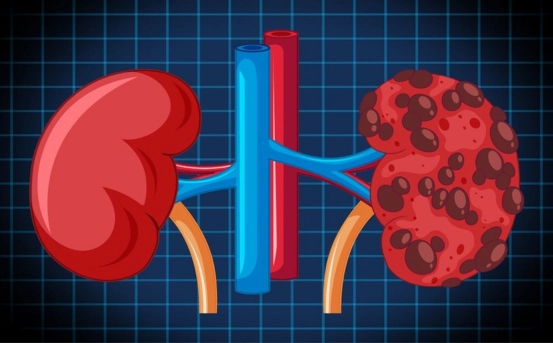
- Kidney Cancer :- Kidney cancer originates in the kidneys, which filter toxins and produce urine. Renal cell carcinoma is the most common type. Symptoms often include blood in urine, side pain, or unexplained fatigue.
- Bladder Cancer :- Bladder cancer begins in the lining of the bladder. It is one of the most common urological cancers, often linked to smoking and chemical exposure. Patients usually notice blood in urine (hematuria) as the first sign.
- Prostate Cancer :- Prostate cancer affects the prostate gland in men. It is among the most common cancers in males and often grows slowly. Early symptoms are rare, making regular screening essential.
- Testicular Cancer :- This cancer develops in the testicles, typically affecting younger men between ages 15 and 35. Early detection is highly effective in curing this cancer.
- Ureter and Urethral Cancer :- These are less common cancers that occur in the tubes responsible for transporting urine. They often mimic symptoms of other urinary disorders, making diagnosis tricky.
What Causes Urological Cancer?
While the exact cause may vary depending on the specific cancer type, urological cancers generally develop due to genetic mutations that cause cells to grow abnormally. Several factors increase the risk of these cancers
- Smoking :- Tobacco use is one of the strongest risk factors, especially for bladder and kidney cancers. Harmful chemicals in cigarettes pass through the urinary system and irritate organ linings.
- Age :- Most urological cancers develop later in life, typically after age 50.
- Family History :- A family member with prostate, kidney, or bladder cancer can increase your likelihood of developing the same cancer.
- Chemical Exposure :- Long-term exposure to industrial chemicals, dyes, and solvents increases bladder cancer risk.
- Chronic Urinary Infections :- Persistent infections or inflammatory conditions may raise the risk of bladder or urethral cancer.
- Genetic Conditions :- Inherited syndromes like von Hippel-Lindau disease can lead to kidney cancer.
Signs and Symptoms of Urological Cancers
Many early-stage urological cancers show mild or no symptoms. However, recognizing warning signs is crucial for early diagnosis
- Blood in urine (hematuria)
- Lower back or flank pain
- Frequent urination or difficulty urinating
- Pelvic pain or discomfort
- Lump or swelling in the testicle
- Unexplained weight loss or fatigue
Any of these symptoms require prompt medical evaluation, especially if they persist.
How Are Urological Cancers Diagnosed?
Early detection greatly improves treatment outcomes. Doctors use a combination of physical examinations, imaging tests, and laboratory analyses to diagnose urological cancers.
- Urine Tests :- Urinalysis and urine cytology help detect abnormalities and cancer cells.
- Blood Tests :- Blood markers can indicate prostate cancer or evaluate kidney function.
- Imaging Scans :- Ultrasound, CT scans, and MRIs help visualize tumors, their size, and their spread.
- Biopsy :- A tissue sample from the affected organ confirms the presence of cancer cells.
- Cystoscopy :- A thin tube with a camera allows doctors to examine the bladder and urethra directly.
Treatment Options for Urological Cancer
The right treatment depends on the type, stage, and overall health of the patient. Common treatments include
- Surgery :- This is often the primary treatment. Depending on the cancer type, surgery may involve
- Removing a tumor
- Removing part or all of an organ (e.g., kidney removal)
- Robotic or minimally invasive procedures
- Chemotherapy :- This uses drugs to destroy cancer cells, especially in cancers that spread beyond their origin.
- Radiation Therapy :- High-energy rays target and kill cancer cells. It is commonly used for prostate and bladder cancers.
- Immunotherapy :- Activates the body’s immune system to attack cancer cells. It has become a breakthrough treatment in bladder and kidney cancers.
- Hormone Therapy :- Used mainly for prostate cancer, it reduces the hormones that fuel tumor growth.
- Targeted Therapy :- These medications specifically attack cancer cell mutations while sparing healthy cells.
Can Urological Cancer Be Prevented?
While some risk factors cannot be controlled, several lifestyle changes may lower your risk
- Quit smoking
- Maintain a healthy body weight
- Stay hydrated
- Avoid prolonged chemical exposure
- Undergo regular health screenings
- Know your family health history
When Should You See a Doctor?
If you notice blood in your urine, persistent pain, difficulty urinating, or any unusual changes in urinary habits, seek medical help immediately. Early diagnosis improves survival rates and allows for a broader range of treatment options.
Conclusion
Urological cancer encompasses a wide range of diseases affecting the urinary and male reproductive systems. Although these cancers can be serious, early detection and modern medical advancements have made treatment highly effective for many patients. Being aware of risk factors, symptoms, and screening tests empowers individuals to take control of their health.