Introduction
Vascular infections are serious medical conditions that affect the blood vessels, including arteries and veins. They can lead to severe health complications if not diagnosed and treated promptly. Blood vessels play a critical role in transporting oxygen, nutrients, and immune cells throughout the body. When these vessels become infected, the consequences can range from mild inflammation to life-threatening complications. Understanding vascular infections and their associated complications is essential for patients, caregivers, and healthcare professionals to ensure timely intervention and effective treatment.
What is Vascular Infections and Complications?
Vascular infections occur when bacteria, viruses, or fungi invade the walls of blood vessels or the bloodstream. These infections may involve superficial veins or deep arteries, leading to systemic problems. The most common types include infected aneurysms, endocarditis-related septic emboli, and vascular graft infections. The infection can either start in the vessel itself or spread from other parts of the body, such as the skin, lungs, or urinary tract.
Infected arteries, often referred to as mycotic aneurysms, are particularly dangerous because the infection weakens the vessel wall. This weakening increases the risk of rupture, which can lead to internal bleeding and, in some cases, death. Venous infections, such as septic thrombophlebitis, involve clot formation within veins, which can block blood flow and cause tissue damage.
Common Causes of Vascular Infections
- Bacterial infections: Staphylococcus aureus and Streptococcus species are the most common culprits.
- Fungal infections: Candida and Aspergillus species can infect blood vessels, especially in immunocompromised patients.
- Post-surgical infections: Vascular surgeries, including bypass grafts or stent placements, can sometimes introduce pathogens.
- Trauma or injury: Open wounds or penetrating injuries can allow bacteria to reach blood vessels.
- Medical devices: Catheters and IV lines, if not properly sterilized, can become a source of infection.
Symptoms of Vascular Infections
The symptoms of vascular infections can vary depending on the location and severity of the infection. Common signs include
- Fever and chills
- Localized pain or tenderness along the affected vessel
- Swelling or redness in the area surrounding the vessel
- Skin changes, such as discoloration or ulceration
- Fatigue or malaise
- Signs of organ dysfunction if the infection spreads
In severe cases, vascular infections can cause sepsis, a life-threatening systemic inflammatory response. Immediate medical attention is required if symptoms include low blood pressure, rapid heart rate, or confusion.
Complications of Vascular Infections
Vascular infections, if untreated or inadequately managed, can lead to several serious complications. These complications often arise due to obstruction of blood flow, weakening of vessel walls, or systemic spread of pathogens.
- Aneurysm Formation and Rupture :- An aneurysm is a bulge in a weakened blood vessel wall. Infections can cause rapid deterioration of the vessel, leading to aneurysm formation. If the aneurysm ruptures, it can result in massive internal bleeding, which is often fatal without immediate surgical intervention.
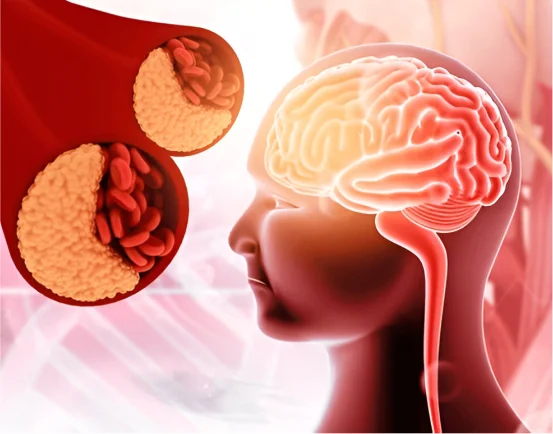
- Septic Emboli :- Infected blood clots, known as septic emboli, can break loose and travel through the bloodstream to other organs. This can cause blockages in critical areas, including the lungs, brain, and kidneys, leading to strokes, pulmonary embolism, or organ failure.
- Thrombosis :- Vascular infections can trigger clot formation in veins or arteries. Thrombosis can block blood flow, causing tissue ischemia and necrosis. In severe cases, it may necessitate surgical removal of the clot or even amputation if peripheral tissues are affected.
- Endocarditis :- Infections in blood vessels can sometimes spread to the heart valves, causing infective endocarditis. This condition leads to the formation of vegetations on heart valves, which can disrupt blood flow, damage the heart, and increase the risk of systemic embolization.
- Graft and Stent Infections :- Patients who have undergone vascular procedures, such as bypass grafts or stent placement, are at risk of infections at the surgical site. These infections can compromise the integrity of the graft or stent, leading to failure, vessel rupture, or repeated surgeries.
- Multi-Organ Dysfunction :- Severe vascular infections can lead to sepsis, which in turn may cause multiple organ dysfunction syndrome (MODS). Organs such as the kidneys, liver, and lungs may fail due to the systemic inflammatory response, drastically increasing mortality risk.
Diagnosis of Vascular Infections
Early diagnosis is crucial to prevent complications. The diagnostic process typically includes
- Blood tests: Detect infection markers such as elevated white blood cells and C-reactive protein (CRP).
- Blood cultures: Identify the causative bacteria or fungi.
- Imaging studies: Ultrasound, CT scans, or MRI can visualize infected vessels, aneurysms, or abscesses.
- Echocardiography: Evaluates for infective endocarditis in suspected cases.
- Biopsy or tissue sampling: Rarely, tissue from affected vessels may be examined to confirm infection.
Treatment Options
Treatment strategies depend on the type and severity of the infection.
- Antibiotic or Antifungal Therapy :- Targeted antimicrobial therapy is the first line of treatment. Intravenous antibiotics are typically used for severe infections, while oral antibiotics may suffice for mild cases. Therapy duration can range from weeks to months.
- Surgical Intervention :- Surgery may be necessary to remove infected tissue, repair or replace damaged vessels, or drain abscesses. In cases of aneurysm or graft infection, prompt surgical management is critical.
- Supportive Care :- Patients with systemic infections may require supportive care, including fluids, oxygen therapy, and monitoring of organ function. Early intervention can prevent progression to sepsis and multi-organ failure.
- Minimally Invasive Procedures :- Endovascular techniques, such as stent grafts, are increasingly used to manage infected aneurysms and vascular blockages. These procedures reduce recovery time and lower surgical risks.
Prevention of Vascular Infections
Preventing vascular infections is key to reducing complications. Strategies include
- Maintaining strict hygiene and wound care practices
- Using sterile techniques during vascular surgeries or catheter insertions
- Regular monitoring of patients with vascular grafts or stents
- Early treatment of systemic infections to prevent spread to vessels
- Patient education on recognizing early signs of infection
Conclusion
Vascular infections are complex medical conditions that pose serious risks if not diagnosed and treated promptly. Understanding the causes, symptoms, and potential complications is essential for timely intervention. Early recognition, appropriate antimicrobial therapy, and surgical management can significantly improve outcomes. Prevention through hygiene, sterile procedures, and patient awareness remains the most effective strategy.