Introduction
The birth of a baby is a moment of immense joy, but it also brings immense responsibility. The first few weeks of life are critical for a newborn’s survival, growth, and long-term health. Neonatal care, also known as newborn care, plays a pivotal role in ensuring that infants receive the attention, treatment, and support they need during this vulnerable period. From immediate post-birth interventions to ongoing monitoring and specialized medical care, neonatal care aims to optimize the health outcomes of newborns and provide peace of mind to parents.
What is Neonatal Care?
Neonatal care refers to the comprehensive medical and nursing care provided to newborns, especially those who are premature, have low birth weight, or are born with medical conditions that require immediate attention. This specialized care typically begins in the first 28 days of life, known as the neonatal period. The primary goal of neonatal care is to support the baby’s physiological development, prevent complications, and address any health issues as early as possible.
In hospitals, neonatal care is often delivered in neonatal intensive care units (NICUs), which are equipped with advanced technology to monitor and treat newborns. These units are staffed by a team of trained professionals, including neonatologists, neonatal nurses, respiratory therapists, and other specialists, all working together to provide high-quality care.
Importance of Neonatal Care
Newborns are highly vulnerable to infections, breathing difficulties, and other complications due to their immature organs and immune systems. Proper neonatal care can significantly reduce the risk of morbidity and mortality in infants. Here are some key reasons why neonatal care is essential
- Early Detection of Health Issues: Many congenital conditions or birth-related complications can be detected in the neonatal period. Early intervention can prevent long-term disabilities.
- Support for Premature Infants: Babies born before 37 weeks often require extra support to regulate their body temperature, breathing, and feeding.
- Monitoring and Managing Low Birth Weight: Low birth weight increases the risk of infections and developmental delays. Neonatal care ensures close monitoring and appropriate interventions.
- Parental Guidance: Neonatal care includes educating parents about infant care, breastfeeding, and recognizing warning signs of illness.
- Long-Term Developmental Support: Continuous neonatal care promotes healthy growth, reduces the risk of chronic illnesses, and supports cognitive and physical development.
Key Components of Neonatal Care
Neonatal care is not just about medical treatment; it involves a holistic approach that addresses physical, emotional, and developmental needs. The following are key components of neonatal care
- Immediate Post-Birth Care :- Right after birth, newborns undergo initial assessments to determine their health status. Procedures include
- Apgar Score: A quick assessment of a baby’s heart rate, breathing, muscle tone, reflexes, and skin color.
- Cord Care: Proper handling of the umbilical cord to prevent infection.
- Temperature Regulation: Keeping the baby warm using incubators or skin-to-skin contact.
- Breastfeeding Support: Initiating early feeding to promote bonding and immunity.
- Neonatal Intensive Care (NICU) :- Some newborns require specialized care in a NICU. This facility provides
- Respiratory Support: Oxygen therapy or ventilators for babies with breathing difficulties.
- Nutritional Support: Tube feeding or intravenous nutrition for premature or weak infants.
- Monitoring Vital Signs: Continuous tracking of heart rate, oxygen levels, and blood pressure.
- Treatment of Infections: Prompt administration of antibiotics for sepsis or other infections.
- Management of Premature Babies :- Premature infants face challenges such as underdeveloped lungs, weak immune systems, and feeding difficulties. Neonatal care includes
- Maintaining a controlled environment to regulate temperature and humidity.
- Monitoring for jaundice and other complications.
- Gradual introduction to feeding and physical activities to promote development.
- Developmental Care :- Neonatal care focuses not only on survival but also on long-term development. Techniques include
- Kangaroo Care: Skin-to-skin contact to improve bonding, regulate temperature, and promote weight gain.
- Sensory Stimulation: Gentle touch, music, and interaction to support neurological development.
- Parent Involvement: Encouraging parents to actively participate in feeding, bathing, and comforting their baby.
- Preventive Measures :- Preventive care is an essential part of neonatal care to reduce the risk of infections and complications. This includes
- Immunizations: Administering vaccines to protect against diseases.
- Hygiene Protocols: Strict cleanliness and handwashing to prevent infections.
- Regular Check-Ups: Monitoring growth, weight, and developmental milestones.
Role of Technology in Neonatal Care
Advancements in medical technology have transformed neonatal care. Modern NICUs are equipped with sophisticated machines that provide continuous monitoring and life-saving interventions. Some examples include
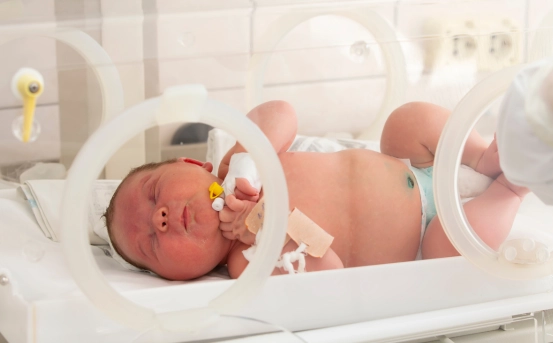
- Incubators: Maintain optimal temperature and humidity for premature babies.
- Ventilators and CPAP Machines: Assist infants with breathing difficulties.
- Phototherapy Units: Treat jaundice caused by high bilirubin levels.
- Monitoring Systems: Track vital signs, oxygen levels, and heart rate in real-time.
Technology not only improves survival rates but also ensures that babies receive precise and timely interventions.
Challenges in Neonatal Care
Despite significant advancements, neonatal care faces several challenges, particularly in low-resource settings. Some of these challenges include
- Limited access to specialized care and trained professionals.
- High risk of infections due to overcrowded or unsanitary conditions.
- Delayed detection of congenital conditions in regions with inadequate screening.
- Financial constraints that prevent families from accessing advanced NICU facilities.
Addressing these challenges requires a combination of healthcare policy improvements, infrastructure development, and public awareness about neonatal health.
How Parents Can Support Neonatal Care
Parents play a critical role in supporting neonatal care. Some ways to contribute include
- Learning proper feeding techniques and breastfeeding practices.
- Maintaining hygiene to prevent infections.
- Attending follow-up appointments and vaccination schedules.
- Observing and reporting any unusual symptoms such as fever, breathing issues, or feeding difficulties.
Parental involvement not only improves health outcomes but also strengthens the bond between the baby and caregivers.
Conclusion
Neonatal care is a cornerstone of modern healthcare, ensuring that every newborn receives the best possible start in life. By providing immediate medical attention, continuous monitoring, and developmental support, neonatal care reduces the risk of complications and promotes healthy growth. As technology advances and awareness grows, neonatal care continues to evolve, offering hope and improved outcomes for countless newborns and their families.