Introduction
Neonatal care refers to the specialized medical attention provided to newborn babies during the first few weeks of life, a period known as the neonatal period. This phase is extremely critical because a newborn’s body systems are still developing and adapting to life outside the womb. Proper neonatal care ensures that infants transition safely, grow healthily, and receive immediate support if medical complications arise. From monitoring vital signs to ensuring adequate nutrition and preventing infections, neonatal care plays a vital role in safeguarding a baby’s survival and long-term well-being.
The importance of neonatal care cannot be overstated, especially for babies born prematurely, with low birth weight, or with medical conditions requiring close observation. With advancements in medical science, neonatal care has significantly reduced infant mortality rates and improved outcomes for newborns worldwide.
Understanding Neonatal Care
The first few days and weeks after birth are crucial for a newborn’s survival and development. During this period, babies undergo rapid physiological changes as their lungs begin to function independently, their digestive system starts processing milk, and their immune system begins to develop. Neonatal care ensures that these transitions occur smoothly and that any deviations from normal development are detected early.
Proper neonatal care helps prevent complications such as breathing difficulties, infections, feeding problems, jaundice, and temperature instability. Early detection and management of such issues can prevent long-term health problems and improve a child’s quality of life. In addition, neonatal care provides reassurance and guidance to parents, helping them understand their baby’s needs and how to care for them effectively.
Immediate Care After Birth
Immediately after birth, a newborn is assessed to ensure that they are breathing well, maintaining a stable heart rate, and adapting successfully to their new environment. Healthcare professionals check vital signs such as heart rate, respiration, temperature, and oxygen levels. The baby’s skin color, muscle tone, and reflexes are also carefully observed.
Maintaining body temperature is a key focus during this stage. Newborns can lose heat quickly, so measures such as drying the baby, providing warm blankets, and encouraging skin-to-skin contact with the mother are essential. Early initiation of breastfeeding is also encouraged, as it provides vital nutrients and antibodies that help protect the baby from infections.
Monitoring and Medical Support
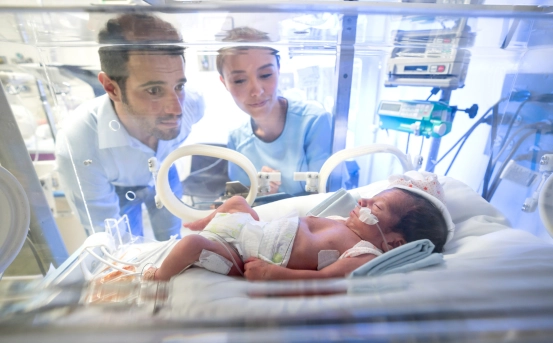
Continuous monitoring is an essential component of neonatal care. Newborns are observed for signs of distress, feeding difficulties, or abnormal behavior. Blood sugar levels may be checked, particularly in babies who are small, premature, or born to mothers with diabetes. Oxygen support or respiratory assistance may be provided if a baby has difficulty breathing.
Medical support during neonatal care also includes administering medications, vaccines, or supplements as needed. Vitamin K injections, for example, help prevent bleeding disorders, while eye care helps protect against infections. These preventive measures are a standard part of ensuring a healthy start to life.
Nutrition and Feeding Support
Nutrition is fundamental to neonatal growth and development. Breast milk is considered the ideal source of nutrition for newborns, as it contains essential nutrients, antibodies, and enzymes that support immunity and digestion. Neonatal care professionals assist mothers with proper breastfeeding techniques and address challenges such as poor latch or low milk supply.
In cases where breastfeeding is not immediately possible, alternative feeding methods may be used under medical supervision. Ensuring that the baby receives adequate nutrition helps promote weight gain, brain development, and overall health. Feeding patterns are closely monitored to identify any concerns early and provide timely intervention.
Infection Prevention and Hygiene
Newborns have an immature immune system, making them more susceptible to infections. Neonatal care places strong emphasis on hygiene and infection prevention. Healthcare providers follow strict hand hygiene practices and ensure that the baby’s environment remains clean and safe.
Parents are also educated on proper hygiene, including handwashing before handling the baby and keeping the umbilical cord area clean and dry. Early recognition of infection signs such as fever, lethargy, or poor feeding allows for prompt medical attention, reducing the risk of serious complications.
Parental Support and Education
Neonatal care extends beyond medical treatment to include emotional and educational support for parents. The arrival of a newborn can be overwhelming, especially if the baby requires close monitoring or medical intervention. Healthcare providers guide parents on newborn care practices, including feeding, bathing, safe sleeping positions, and recognizing warning signs of illness.
Emotional support is equally important, as parental well-being directly impacts a baby’s development. Encouraging bonding through skin-to-skin contact and involving parents in the baby’s care helps build confidence and strengthens the parent-child relationship.
Long-Term Benefits of Quality Neonatal Care
Quality neonatal care has long-lasting benefits that extend beyond infancy. Babies who receive proper care during the neonatal period are more likely to experience healthy growth, better cognitive development, and reduced risk of chronic health conditions. Early intervention for medical issues can prevent complications that might otherwise affect a child’s physical and neurological development.
Additionally, neonatal care lays the foundation for preventive healthcare by ensuring timely vaccinations, growth monitoring, and developmental assessments. These early efforts contribute significantly to a child’s overall health trajectory.
Conclusion
Neonatal care is a critical component of healthcare that focuses on protecting and nurturing newborns during their most vulnerable stage of life. By providing careful monitoring, medical support, proper nutrition, infection prevention, and parental guidance, neonatal care ensures that babies have the best possible start. Advances in neonatal medicine have transformed outcomes for newborns, offering hope and improved quality of life for countless families.
Investing in comprehensive neonatal care not only saves lives but also shapes healthier futures. With dedicated healthcare professionals and informed parental involvement, neonatal care continues to play a vital role in promoting the well-being and development of newborns worldwide.