Introduction
An Advanced Neonatal Intensive Care Unit (NICU) represents the highest standard of medical care for newborns who require specialized attention immediately after birth. It is a highly sophisticated hospital facility designed to care for premature babies, low birth weight infants, and newborns with serious medical conditions. With cutting-edge technology, highly trained medical professionals, and round-the-clock monitoring, an advanced NICU plays a crucial role in improving survival rates and long-term health outcomes for vulnerable infants.
Advanced NICU Lifeline for Critically Newborns
The first few hours and days of life are critical for a newborn, especially when complications arise. An advanced NICU provides a controlled and supportive environment where infants can receive intensive medical care tailored to their unique needs. These units are equipped to manage complex conditions such as breathing difficulties, infections, congenital abnormalities, neurological issues, and metabolic disorders.
The goal of an advanced NICU is not only to stabilize newborns but also to support their growth and development during a crucial stage of life. Every aspect of care, from temperature regulation to nutrition and respiratory support, is meticulously planned and monitored to mimic the natural conditions of the womb as closely as possible.
Specialized Medical Expertise
One of the defining features of an advanced NICU is the presence of a multidisciplinary team dedicated exclusively to neonatal care. This team typically includes neonatologists, neonatal nurses, pediatric surgeons, respiratory therapists, nutritionists, pharmacists, and developmental specialists. Each professional brings specialized expertise to ensure comprehensive care for the infant.
Neonatologists lead the medical management, making critical decisions based on the baby’s condition and progress. Nurses trained in neonatal intensive care provide continuous bedside care, monitoring vital signs, administering medications, and responding immediately to any changes. This collaborative approach ensures that every newborn receives individualized and timely treatment.
Advanced Technology and Equipment
Technology plays a vital role in the functioning of an advanced NICU. The unit is equipped with state-of-the-art medical devices designed specifically for newborns. Incubators and radiant warmers help maintain optimal body temperature, while advanced ventilators and respiratory support systems assist babies with underdeveloped lungs. Continuous monitoring systems track vital parameters such as heart rate, oxygen levels, blood pressure, and breathing patterns. These systems alert healthcare providers instantly if there is any abnormality, allowing for prompt intervention. Advanced diagnostic tools, including bedside imaging and laboratory testing, help in early detection and accurate management of medical conditions.
Respiratory and Cardiac Support
Breathing problems are among the most common reasons newborns require NICU care. An advanced NICU offers comprehensive respiratory support, ranging from supplemental oxygen to sophisticated ventilation techniques. These interventions help infants breathe effectively while minimizing lung injury. Cardiac monitoring and support are equally important, especially for babies born with heart conditions or those experiencing circulation problems. Continuous cardiac monitoring ensures early identification of irregularities, while specialized treatments help stabilize and improve heart function.
Nutritional and Developmental Care
Proper nutrition is essential for the growth and recovery of critically ill newborns. In an advanced NICU, nutritional support is carefully planned to meet the specific needs of each infant. When babies are unable to feed orally, they may receive nutrition through intravenous lines or feeding tubes. As they grow stronger, gradual transition to breastfeeding or bottle-feeding is encouraged under expert guidance.
Beyond medical treatment, developmental care is a key focus. The NICU environment is designed to reduce stress and promote healthy brain development. Controlled lighting, noise reduction, gentle handling, and supportive positioning all contribute to the infant’s comfort and neurological development.
Infection Control and Safety Measures
Newborns in intensive care are highly vulnerable to infections due to their immature immune systems. Advanced NICUs follow strict infection control protocols to minimize risks. These include rigorous hand hygiene practices, sterilization of equipment, and controlled access to the unit.
Continuous surveillance and early detection of infections allow for prompt treatment, significantly reducing complications. Safety protocols are followed meticulously to ensure that every procedure, medication, and intervention is delivered with the utmost care.
Family-Centered Care
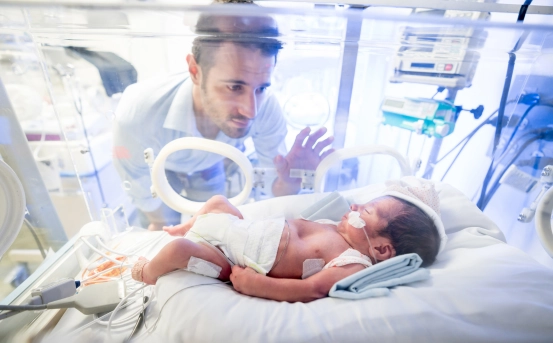
An advanced NICU recognizes the importance of family involvement in a newborn’s recovery. Parents are encouraged to participate in their baby’s care as much as possible, fostering bonding and emotional support. Practices such as skin-to-skin contact, often known as kangaroo care, are promoted when medically appropriate, as they offer numerous benefits for both the baby and the parents.
Healthcare teams also provide emotional support, counseling, and education to families, helping them understand their baby’s condition and the care being provided. This family-centered approach not only improves outcomes but also builds confidence and reassurance during a challenging time.
Long-Term Follow-Up and Support
Care in an advanced NICU does not end at discharge. Many babies require ongoing follow-up to monitor growth, development, and overall health. Follow-up programs help identify and address potential developmental delays or medical issues early, ensuring the best possible long-term outcomes.
Parents receive guidance on home care, feeding, medications, and warning signs to watch for after discharge. This continuity of care plays a vital role in supporting the baby’s transition from hospital to home.
Conclusion
An Advanced NICU stands as a cornerstone of modern neonatal care, offering hope and healing to newborns facing life-threatening challenges. Through a combination of advanced medical technology, specialized expertise, compassionate care, and family involvement, these units provide the highest level of support during the most critical moments of a newborn’s life. By focusing not only on survival but also on healthy growth and development, an advanced NICU ensures that every baby has the strongest possible start, even in the face of serious medical challenges.