Introduction
Aortic arch disease is a serious cardiovascular condition that affects the aortic arch, the portion of the aorta connecting the ascending and descending aorta. The aorta, being the largest artery in the body, is responsible for carrying oxygen-rich blood from the heart to the rest of the body. Any abnormalities in this critical vessel, such as aneurysms, dissections, or coarctation, can lead to life-threatening complications if not diagnosed and treated promptly.
Understanding Aortic Arch Disease
Aortic arch disease encompasses a variety of conditions that impact the structure and function of the aortic arch. These conditions can be congenital (present from birth) or acquired due to factors like high blood pressure, atherosclerosis, trauma, or infections. The most common forms include
- Aortic Aneurysm: A bulging or dilation in the aortic wall that weakens the vessel and can rupture if untreated.
- Aortic Dissection: A tear in the inner layer of the aortic wall that causes blood to flow between layers, potentially leading to rupture.
- Coarctation of the Aorta: A narrowing of the aortic arch, often detected in children, which increases cardiac workload and blood pressure.
- Traumatic Aortic Injury: Damage caused by accidents or sudden impact, which can compromise the aorta’s integrity.
Early detection is crucial, as symptoms may be subtle. Patients may experience chest pain, back pain, shortness of breath, or neurological symptoms due to reduced blood flow to the brain and limbs.
Diagnostic Approaches
Diagnosing aortic arch disease requires advanced imaging and careful clinical assessment. Common diagnostic tools include
- Echocardiography: Provides real-time images of the heart and aortic arch, allowing doctors to identify structural abnormalities.
- Computed Tomography Angiography (CTA): Offers detailed cross-sectional images of the aorta to detect aneurysms, dissections, or stenosis.
- Magnetic Resonance Angiography (MRA): A non-invasive imaging method that produces high-resolution images of the aorta and surrounding vessels.
- Chest X-ray: May reveal a widened mediastinum, which is a potential indicator of aortic pathology.
- Cardiac Catheterization: Occasionally used to measure blood pressure within the aorta and assess severity of the disease.
Treatment of Aortic Arch Disease
Treatment for aortic arch disease depends on the type, severity, and overall health of the patient. It generally falls into two categories: medical management and surgical intervention.
- Medical Management :- For patients with small aneurysms or mild aortic abnormalities, conservative management is often recommended. Key aspects include
- Blood Pressure Control: Medications like beta-blockers or ACE inhibitors help reduce stress on the aortic wall.
- Lifestyle Modifications: Smoking cessation, regular exercise, and a heart-healthy diet are essential to prevent disease progression.
- Regular Monitoring: Periodic imaging helps track changes in the aortic diameter and detect early signs of complications.
Medical management alone is usually insufficient for severe cases, especially when aneurysms reach a critical size or dissection occurs.
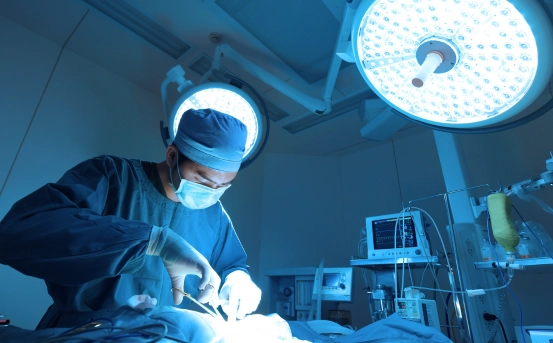
- Surgical Treatment :- Surgery is often the definitive treatment for aortic arch disease. Modern cardiovascular surgery has significantly improved outcomes, with various techniques tailored to specific conditions:
- Open Aortic Arch Surgery :- This traditional approach involves directly replacing the diseased section of the aorta with a synthetic graft. It is most commonly used for large aneurysms or dissections. The procedure may require
- Cardiopulmonary Bypass: Temporarily redirects blood circulation during surgery.
- Hypothermic Circulatory Arrest: Cooling the body to protect vital organs while repairing the aorta.
While highly effective, open surgery carries risks such as stroke, bleeding, or infection, and typically requires a longer recovery period.
- Endovascular Aortic Repair (EVAR / TEVAR) :- Minimally invasive procedures like Thoracic Endovascular Aortic Repair (TEVAR) involve inserting a stent-graft via the femoral artery to reinforce the aortic wall and exclude aneurysms from blood flow. Advantages include
- Shorter hospital stay and faster recovery.
- Reduced risk of complications compared to open surgery.
- Suitable for patients who are high-risk surgical candidates.
However, EVAR may not be feasible for all patients, particularly those with complex aortic arch anatomy.
- Hybrid Procedures :- Hybrid approaches combine open surgical techniques with endovascular repair. For example, surgeons may reroute blood flow to critical arteries before placing a stent-graft in the arch. This method provides flexibility for treating complex cases while minimizing invasiveness.
- Post-Treatment Care :- Recovery after aortic arch surgery involves careful monitoring and lifestyle adjustments. Patients are advised to
- Attend regular follow-ups with imaging to ensure the graft or repair remains intact.
- Maintain optimal blood pressure levels.
- Avoid heavy lifting or strenuous activity until cleared by the surgeon.
- Adhere to medications as prescribed to prevent complications.
Long-term surveillance is crucial because even successful surgeries may require future interventions due to progressive disease.
Risk Factors and Prevention
Several factors increase the risk of developing aortic arch disease
- Hypertension: Chronic high blood pressure damages the aortic wall.
- Atherosclerosis: Plaque buildup can weaken the vessel.
- Genetic Conditions: Disorders like Marfan syndrome or Loeys-Dietz syndrome predispose individuals to aneurysms.
- Age: Risk increases with age, particularly in men over 60.
- Lifestyle: Smoking, obesity, and lack of physical activity contribute to aortic disease.
Preventive measures include regular medical checkups, blood pressure management, maintaining a healthy weight, and avoiding tobacco use.
Patient Outcomes and Prognosis
With timely diagnosis and appropriate treatment, the prognosis for aortic arch disease has improved significantly. Surgical intervention and endovascular therapies have shown excellent long-term outcomes, especially when performed at specialized cardiovascular centers. Patient adherence to lifestyle changes, medications, and follow-up imaging is vital to maintain heart health and prevent recurrence.
Conclusion
Aortic arch disease is a complex and potentially life-threatening condition. Advances in diagnostic imaging, surgical techniques, and endovascular interventions have transformed management, offering hope to patients who previously faced high risks. Early detection, personalized treatment plans, and vigilant follow-up care are key to improving outcomes and quality of life.
Patients experiencing chest pain, back pain, or unusual symptoms should seek medical attention promptly, as early intervention can be lifesaving. With modern cardiovascular care, aortic arch disease is no longer a silent killer it is a treatable condition with excellent prognosis when managed effectively.