Introduction
Cheek augmentation is a popular cosmetic procedure designed to enhance facial contours, restore volume, fracture and give a youthful, balanced appearance. Whether performed with dermal fillers, fat grafting, or implants, cheek augmentation can dramatically improve facial aesthetics. While the benefits are appealing, understanding the symptoms associated with the procedure both expected and concerning is crucial for a safe and satisfactory outcome.
What is Cheek Augmentation?
Cheek augmentation is a cosmetic intervention that enhances the mid-face area. It can be performed using:
- Dermal fillers: Hyaluronic acid-based injections that temporarily add volume and shape.
- Fat grafting: Using your own fat, usually harvested from the abdomen or thighs, to fill the cheeks.
- Cheek implants: Silicone or other biocompatible materials surgically placed to provide long-lasting structure.
The procedure can improve facial symmetry, reduce the appearance of wrinkles, and enhance overall confidence. However, as with any cosmetic intervention, certain symptoms can arise during recovery.
Symptoms of Cheek Augmentation
Most patients notice changes in their face immediately after the procedure. While many of these symptoms are normal, it’s important to distinguish between expected reactions and signs of complications.
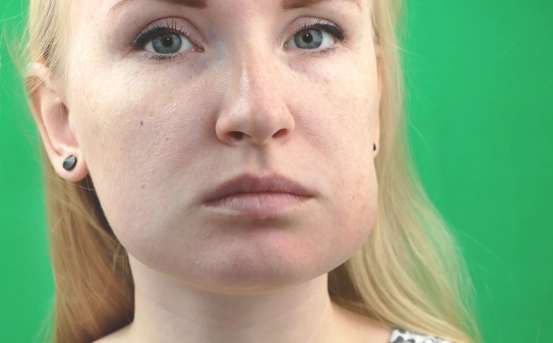
- Swelling :- Swelling is one of the most common post-procedure symptoms. The cheeks may appear fuller than expected, and the skin might feel tight. Swelling usually peaks within 24-48 hours and gradually reduces over the next one to two weeks.
Tip: Applying a cold compress and keeping the head elevated can help minimize swelling.
- Redness :- Redness around the injection site or surgical area is common. It occurs due to increased blood flow as the body responds to the trauma of the procedure. Redness typically subsides within a few days but may linger slightly longer in sensitive skin types.
- Bruising :- Bruising occurs when small blood vessels are damaged during injections or surgical manipulation. It can vary from mild purple marks to larger patches. Bruising generally fades within one to two weeks.
Tip: Arnica creams or vitamin K creams can help speed up recovery.
- Tenderness and Pain :- Mild discomfort or tenderness in the cheeks is expected, especially after surgical procedures or deep filler injections. Over-the-counter pain relievers are usually sufficient to manage this symptom. Persistent or worsening pain, however, should be reported to your surgeon.
Mid-Term Symptoms
As the initial swelling and bruising subside, other symptoms may become noticeable. These are usually part of the body’s natural healing process.
- Firmness or Lumps :- After filler injections, you may feel small lumps or areas of firmness in the cheeks. This occurs because the filler has not yet fully settled into the tissues. Gentle massage, if advised by your provider, can help smooth out irregularities.
- Numbness or Tingling :- Temporary numbness or tingling in the cheeks can occur due to local anesthesia or minor nerve irritation during surgery. This symptom typically resolves within a few weeks as nerve function returns to normal.
- Changes in Facial Expression :- Some patients notice a slight change in facial expressions after cheek augmentation. This is often due to swelling or the placement of fillers or implants. It usually normalizes as the healing progresses.
- Asymmetry :- Mild asymmetry is common in the early stages, especially with injectable fillers. The body may absorb the filler unevenly, or swelling may be more pronounced on one side. Most asymmetry resolves within a few weeks; persistent asymmetry should be evaluated by a professional.
Long-Term Symptoms and Considerations
After the initial healing period, some symptoms may persist or emerge. Understanding these long-term effects helps in maintaining realistic expectations.
- Gradual Settling of Fillers :- For non-permanent fillers, the volume may gradually reduce over months. Some areas might appear less full, which is natural as the body metabolizes the product. Maintenance treatments can restore the desired look.
- Implant-Related Sensations :- If cheek implants were used, you might feel the edges of the implant under the skin initially. Over time, tissue grows around the implant, and the sensation usually diminishes. Persistent discomfort or implant shifting requires medical attention.
- Minor Skin Changes :- Rarely, patients experience mild skin changes like slight redness, swelling, or scarring at incision sites (for surgical procedures). Proper post-procedure care, including sunscreen and gentle cleansing, can minimize these effects.
When to Seek Medical Advice
While most symptoms are normal and temporary, certain signs indicate complications and require immediate attention:
- Severe or increasing pain
- Excessive swelling or bruising beyond the expected timeframe
- Signs of infection: redness, warmth, pus, or fever
- Persistent asymmetry or visible lumps that do not resolve
- Numbness or tingling lasting longer than a few weeks
Prompt consultation with a board-certified cosmetic surgeon ensures that any complications are managed effectively.
Tips to Minimize Symptoms and Improve Recovery
- Follow your surgeon’s instructions: Avoid strenuous activities and follow guidelines for swelling and bruising management.
- Apply cold compresses: In the first 24-48 hours, this reduces swelling and discomfort.
- Keep your head elevated: Especially during sleep, to minimize fluid accumulation.
- Avoid alcohol and smoking: Both can slow the healing process and exacerbate swelling.
- Stay hydrated and maintain a healthy diet: Proper nutrition supports tissue repair.
- Schedule follow-up visits: Regular check-ups ensure the procedure heals as expected.
Conclusion
Cheek augmentation can enhance facial beauty and confidence, but it’s essential to understand the symptoms that accompany the procedure. From immediate swelling and redness to long-term changes in contour and sensation, knowing what to expect can help reduce anxiety and ensure proper care.
Most symptoms are temporary and part of the normal healing process, but awareness of warning signs can prevent complications. Always choose a board-certified professional, follow post-procedure care instructions, and consult your provider if any unusual symptoms arise. With proper care and realistic expectations, cheek augmentation can deliver stunning, natural-looking results that last for years.