Introduction
Menopause is a natural phase in a woman’s life, marking the end of her reproductive years. While it is a normal biological process, many women feel anxious or overwhelmed due to the physical, emotional, and hormonal changes that accompany it. Understanding menopause, what it is, why it happens, and how to manage its symptoms can make the transition much smoother.
What Is Menopause?
Menopause is defined as the point in time when a woman has not had a menstrual period for 12 consecutive months. It typically occurs between the ages of 45 and 55, though some women experience it earlier or later.
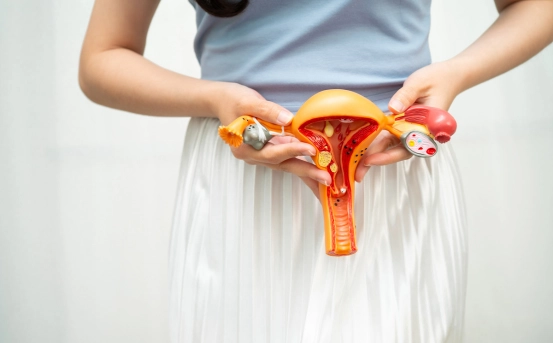
During menopause, the ovaries gradually decrease their production of the hormones estrogen and progesterone, two hormones responsible for regulating menstruation, fertility, and various bodily functions. As hormone levels decline, menstrual cycles become irregular and eventually stop altogether. Menopause is not a disease or a medical problem. It is simply a natural part of aging. However, the hormonal changes can cause various symptoms that differ in severity from woman to woman.
What Causes Menopause?
The primary cause of menopause is the natural decline of reproductive hormones. As women age, the ovaries produce fewer eggs, and hormone levels drop. Eventually, ovulation stops, leading to the end of menstrual periods.
Certain medical conditions or treatments can trigger early menopause, such as
- Surgical removal of the ovaries (oophorectomy)
- Chemotherapy or radiation therapy
- Autoimmune diseases
- Genetic factors
Women who experience early or premature menopause may require additional medical support to manage symptoms and longterm health risks.
The Three Stages of Menopause
Menopause doesn’t happen suddenly. It occurs over three stages
- Perimenopause : This transitional stage can begin up to 10 years before menopause. Estrogen levels start to fluctuate, leading to symptoms such as
- Irregular periods
- Hot flashes
- Mood changes
- Sleep disturbances
Perimenopause continues until a woman reaches menopause.
- Menopause : Menopause is officially diagnosed when a woman has gone 12 months without a menstrual period. Hormone levels remain consistently low, and symptoms may become more noticeable.
- Postmenopause : After menopause, the symptoms may ease for many women. However, low estrogen levels can increase the risk of certain health conditions, such as
- Osteoporosis
- Heart disease
- Vaginal dryness
- Urinary incontinence
Regular health checkups become especially important during postmenopause.
Common Symptoms of Menopause
Menopause affects every woman differently. While some experience mild symptoms, others face more intense or disruptive changes. The most common symptoms include
- Hot Flashes : A sudden feeling of heat in the upper body, often accompanied by sweating and flushing.
- Night Sweats : Hot flashes occur during sleep, leading to discomfort and disrupted rest.
- Irregular Periods : A hallmark of perimenopause, cycles may become lighter, heavier, or inconsistent.
- Mood Swings : Fluctuating hormones can contribute to irritability, anxiety, or depression.
- Vaginal Dryness : Decreased estrogen can lead to dryness, itching, or discomfort during intercourse.
- Reduced Libido : Hormonal changes may lower sex drive for some women.
- Sleep Problems : Insomnia or frequent wakefulness are common during menopause.
- Weight Gain and Slowed Metabolism : Reduced hormone levels can affect metabolism, leading to body changes.
- Joint Pain : Some women report muscle stiffness or joint aches.
Understanding these symptoms helps women seek timely care and adopt lifestyle changes that ease the transition.
How Is Menopause Diagnosed?
Most women identify menopause based on symptoms and the absence of periods. However, doctors may recommend certain tests to confirm hormone levels, including
- FSH (FollicleStimulating Hormone) Test
- Estrogen Level Test
- Thyroid Function Test (to rule out thyroid disorders)
Your doctor may also evaluate your medical history, menstrual cycle patterns, and overall health before confirming menopause.
Treatment Options for Menopause Symptoms
While menopause is unavoidable, its symptoms can be managed effectively. Treatment options include lifestyle changes, natural remedies, and medical therapies.
- Lifestyle Modifications
- Balanced Diet: Include calciumrich foods, leafy greens, whole grains, and lean protein.
- Regular Exercise: Improves mood, strengthens bones, and helps maintain weight.
- Stress Management: Yoga, meditation, and deep breathing can ease anxiety.
- Adequate Sleep: Maintaining a consistent sleep routine helps manage fatigue.
- Hormone Replacement Therapy (HRT) : HRT involves taking estrogen or a combination of estrogen and progesterone to relieve symptoms like hot flashes, night sweats, and vaginal dryness. It is effective but must be used under medical supervision.
- NonHormonal Medications : Doctors may prescribe antidepressants, antiseizure drugs, or blood pressure medications to help control hot flashes or mood swings.
- Natural and Herbal Remedies : Common options include
- Black cohosh
- Soy isoflavones
- Flaxseed
- Vitamin E
Always consult a doctor before starting herbal supplements.
- Vaginal Estrogen Therapy : A lowdose estrogen cream, ring, or tablet inserted into the vagina helps reduce dryness and discomfort.
LongTerm Health Considerations After Menopause
After menopause, low estrogen levels can affect longterm health. Women should be aware of the following risks
- Osteoporosis : Bones become weaker and fracture risk increases.
- Heart Disease : Estrogen helps protect the heart; its decline increases cardiovascular risk.
- Urinary Issues : Incontinence and urinary tract infections may become more common.
- Weight Management : Metabolism slows down, making weight gain easier.
Regular screening such as bone density tests, mammograms, and heart health checkups can help detect issues early and maintain overall wellness.
Conclusion
Menopause is a significant milestone in every woman’s life, bringing physical and emotional changes that can feel overwhelming. However, with the right knowledge and support, it can be managed smoothly and confidently. Understanding the stages, recognizing symptoms, and exploring treatment options empower women to navigate menopause with comfort and ease.