Introduction
Menopause is a natural phase in a woman’s life, marking the end of reproductive years. Although it typically occurs between the ages of 45 and 55, every woman experiences this transition differently. Understanding the symptoms of menopause, their causes, variations, and ways to manage them can help you navigate this stage with confidence.
This comprehensive guide explores the most common menopausal symptoms, why they happen, and when you should seek medical support.
What Is Menopause?
Menopause is officially confirmed when a woman has not had a menstrual period for 12 consecutive months. This transition happens due to a decline in estrogen and progesterone production by the ovaries. Most women go through three distinct phases
- Perimenopause – The transitional period leading up to menopause. Symptoms usually begin here.
- Menopause – Marked by the final menstrual period.
- Postmenopause – The years after menopause when symptoms may continue but eventually stabilize.
Although menopause is a natural process, its symptoms can vary widely in intensity and duration.
Common Symptoms of Menopause
- Irregular Periods : One of the earliest signs of perimenopause is irregular menstruation. You may experience lighter or heavier periods, skipped cycles, or unpredictable timing. These changes occur as hormone levels fluctuate and ovulation becomes irregular.
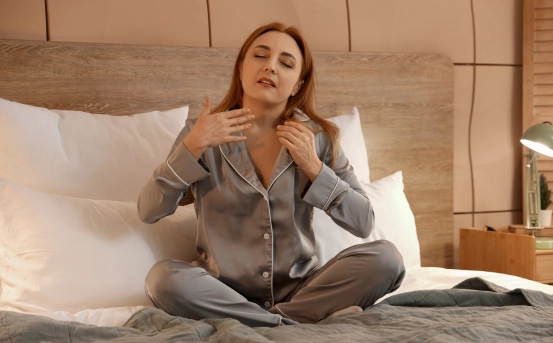
- Hot Flashes : Hot flashes are among the most recognized menopause symptoms. They involve sudden feelings of intense warmth, often accompanied by sweating and a rapid heartbeat. Hot flashes can last from a few seconds to several minutes and may occur multiple times a day.
- Night Sweats : Night sweats are hot flashes that occur during sleep. They can disrupt sleep quality, leaving you tired or irritable during the day. Many women find that symptoms worsen with stress, spicy foods, caffeine, or alcohol.
- Mood Swings : Hormonal changes significantly influence mood. Irritability, anxiety, or sadness may occur more frequently during perimenopause. In some cases, women may also experience depression. A healthy lifestyle, adequate sleep, and stress management can help ease mood symptoms.
- Sleep Disturbances : Difficulty falling or staying asleep is another common symptom of menopause. Night sweats, hormonal fluctuation, and increased stress levels contribute to insomnia during this stage.
- Vaginal Dryness : Lower estrogen levels cause thinning and drying of vaginal tissues, leading to discomfort, itching, or pain during intercourse. This condition called vaginal atrophy can also increase the risk of infections.
- Decreased Libido : Changes in hormones, mood, and vaginal health can lead to lower sexual desire. Addressing dryness, managing stress, and discussing treatment options with a doctor can improve sexual wellbeing.
- Weight Gain : Many women notice weight gain around the abdomen during menopause. Hormonal shifts slow the metabolic rate, making it harder to maintain previous weight. A balanced diet and regular exercise can help manage these changes.
- Hair and Skin Changes : Declining estrogen levels can make hair thinner and skin drier. Loss of collagen also reduces skin elasticity. Using gentle skincare products and maintaining hydration can help improve skin health.
- Memory Issues and Brain Fog : Some women experience difficulty with concentration or memory during menopause. Although these symptoms are temporary, they can be frustrating. Keeping mentally active and prioritizing sleep can help improve cognitive clarity.
- Joint Pain : Estrogen supports joint health, so its decline can lead to stiffness, aches, and discomfort. Regular movement, stretching, and a healthy diet are effective for managing joint symptoms.
- Headaches : Hormonal fluctuations may trigger more frequent or severe headaches. Identifying personal triggers such as certain foods, stress, or sleep deprivation can help reduce occurrences.
- Heart Palpitations : Some women experience irregular or rapid heartbeats during menopause. While this is usually harmless, persistent palpitations should be evaluated by a healthcare professional.
- Changes in Breast Tissue : Breasts may feel less full or firm due to a decrease in glandular tissue and collagen. These physical changes are completely normal during menopause.
Less Common Symptoms of Menopause
While the above symptoms are common, some women may also experience
- Dry eyes
- Burning mouth sensation
- Tingling in hands and feet
- Digestive changes
- Increased facial hair
- Urinary urgency or incontinence
These symptoms also result from hormonal imbalance and typically improve over time or with appropriate treatment.
What Causes Menopause Symptoms?
The primary cause of menopausal symptoms is the decline in estrogen and progesterone. These hormones regulate several body functions, including reproduction, metabolism, temperature regulation, and emotional stability. As their levels fluctuate, the body adjusts, resulting in the wide range of symptoms many women experience. Other factors such as lifestyle, genetics, stress, and overall health also influence the severity of menopause symptoms.
How Long Do Menopause Symptoms Last?
The duration varies significantly
- Perimenopause: 4–10 years
- Menopause symptoms: Can persist for several years
- Some symptoms: Like hot flashes, may last 5–7 years or longer
Every woman’s experience is unique. Some may have mild symptoms, while others may require medical support for proper management.
Managing Menopause Symptoms
While menopause cannot be prevented, its symptoms can be effectively managed. Here are some widely recommended approaches
Lifestyle Modifications
- Eat a balanced diet rich in calcium, fiber, and antioxidants.
- Exercise regularly to improve mood, bone strength, and metabolism.
- Practice relaxation techniques like yoga, meditation, or deep breathing.
- Maintain a consistent sleep schedule.
Hormone Replacement Therapy (HRT) : HRT is one of the most effective treatments for moderate to severe menopause symptoms, particularly hot flashes and vaginal dryness. It should be taken under medical supervision after evaluating risk factors.
NonHormonal Treatments
- SSRIs or SNRIs for moodrelated symptoms
- Lubricants and moisturizers for vaginal dryness
- Herbal supplements like black cohosh (after consulting a doctor)
Regular Checkups : Routine health screenings help monitor bone density, heart health, and overall wellbeing during and after menopause.
When to See a Doctor
Consult a healthcare provider if you experience
- Extremely heavy or prolonged periods
- Pelvic pain
- Severe mood disturbances
- Unexplained weight loss
- Postmenopausal bleeding
These symptoms may indicate underlying health issues requiring trained medical evaluation.
Conclusion
Menopause is a natural life stage, but understanding its symptoms can make the transition easier. With the right knowledge and support, you can navigate menopause with comfort and confidence. Whether symptoms are mild or challenging, medical guidance and healthy lifestyle choices can help you maintain a high quality of life during this important phase.