Introduction
The human circulatory system is a complex network of veins and arteries responsible for transporting blood throughout the body. Veins play a crucial role in carrying deoxygenated blood back to the heart. When these veins experience sudden dysfunction, blockage, or inflammation, it can lead to a group of conditions known as Acute Venous Disorders. These disorders require timely medical attention because they can progress rapidly and may lead to serious complications such as pulmonary embolism or long-term venous insufficiency.
What Are Acute Venous Disorders?
Acute Venous Disorders (AVDs) refer to sudden, often painful conditions affecting the veins. They usually occur due to issues like clotting, obstruction, inflammation, or injury to the venous system. Unlike chronic venous diseases which progress slowly acute venous disorders occur abruptly and demand urgent evaluation.
These conditions commonly affect the legs but can occur anywhere in the body. Some AVDs are life-threatening, especially when a blood clot travels to the lungs, causing a Pulmonary Embolism (PE).
The major types of acute venous disorders include
- Deep Vein Thrombosis (DVT)
- Superficial Venous Thrombophlebitis
- Acute Venous Occlusion
- Venous Trauma or Injury
- Acute Variceal Bleeding (rare but possible)
Understanding these helps in identifying symptoms early and seeking prompt care.
Types of Acute Venous Disorders
- Deep Vein Thrombosis (DVT) :- DVT is one of the most common and serious acute venous conditions. It occurs when a blood clot forms in a deep vein, usually in the legs. A DVT becomes dangerous if part of the clot breaks off and travels to the lungs, causing pulmonary embolism. Common risk factors include long periods of immobility, surgery, trauma, obesity, pregnancy, cancer, and certain genetic conditions.
- Superficial Venous Thrombophlebitis :- This condition involves inflammation or clot formation in veins close to the skin’s surface. While typically less dangerous than DVT, it still causes pain, redness, and swelling. In some cases, it can extend into deep veins and may require urgent treatment.
- Acute Venous Occlusion :- When a vein becomes abruptly blocked whether by clot, trauma, or external compression it leads to acute venous occlusion. This may cause sudden swelling, pain, discoloration, and tissue damage. Severe occlusions can compromise blood return and must be addressed immediately to avoid complications.
- Venous Trauma or Injury :- Accidents, fractures, or surgeries can injure veins, causing bleeding, clotting, or swelling. Acute venous trauma requires timely assessment to restore proper blood flow and prevent long-term damage.
- Acute Variceal Bleeding :- Although more common in the gastrointestinal system (e.g., esophageal varices), veins in the legs can also rupture suddenly, especially when weakened by chronic venous disease. This requires emergency intervention.
Causes and Risk Factors
Acute venous disorders typically develop due to a combination of factors that impair normal blood flow. The most common causes include
- Venous Stasis (Slow Blood Flow)
- Prolonged sitting or standing
- Long flights or car travel
- Immobility after illness or surgery
- Paralysis
When blood doesn’t circulate well, it becomes more likely to clot.
- Hypercoagulability (Increased Clotting Tendency)
- Genetic clotting disorders
- Pregnancy
- Hormone therapy or oral contraceptive pills
- Dehydration
- Cancer or chemotherapy
- Endothelial Injury (Damage to Vein Walls)
- Trauma
- Surgery
- Infection
- Inflammation
These three factors stasis, hypercoagulability, and endothelial injury are known as Virchow’s triad, the classic explanation for venous clot formation.
Signs and Symptoms
Symptoms of acute venous disorders may vary depending on the affected vein but often include
- Sudden swelling of the leg, arm, or affected region
- Pain or tenderness, especially in the calf or thigh
- Warmth over the affected area
- Red or discolored skin
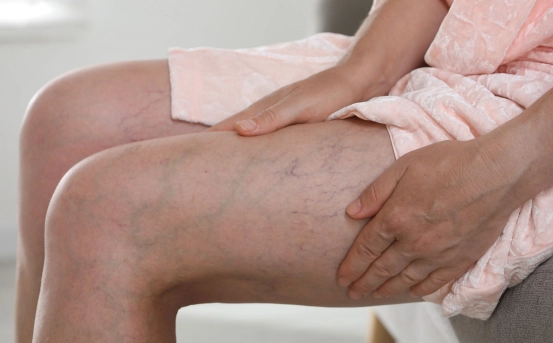
- Prominent surface veins
- Sudden shortness of breath (in case of pulmonary embolism)
- Rapid heartbeat
- Unexplained cough or chest pain
In severe cases, symptoms can escalate quickly. If a person experiences breathing difficulty along with leg swelling, it is a medical emergency.
Diagnosis of Acute Venous Disorders
Early diagnosis is essential to prevent complications. Common diagnostic tools include
- Doppler Ultrasound :- The most widely used, noninvasive test that visualizes blood flow in the veins and detects clots.
- D-Dimer Test :- A blood test that identifies the presence of clot fragments. Elevated levels suggest active clot formation.
- Venography :- A contrast dye is injected into veins and X-rays are taken. Although invasive, it provides detailed images if ultrasound is inconclusive.
- CT or MRI Venography :- Used for diagnosing clots in the abdomen, pelvis, or chest.
- Blood Tests for Clotting Disorders :- Recommended for individuals with recurrent venous issues or a strong family history.
Treatment Options
Treatment depends on the type and severity of the disorder. Common approaches include:
- Anticoagulant Medications :- Blood thinners such as heparin or warfarin help prevent clot growth and new clots. Newer medications like DOACs (Direct Oral Anticoagulants) are also widely used.
- Thrombolytic Therapy :- In severe cases, clot-dissolving medications are administered intravenously or directly into the clot using a catheter.
- Compression Therapy :- Compression stockings help improve blood flow, reduce swelling, and prevent chronic venous insufficiency.
- Surgical or Catheter-Based Interventions
- Thrombectomy (clot removal)
- Venous stenting
- Inferior vena cava (IVC) filter placement
These are used when medications are not enough or urgent action is required.
- Pain and Symptom Management :- Anti-inflammatory medications, limb elevation, and warm compresses help relieve discomfort.
Complications if Untreated
Failure to treat acute venous disorders can lead to
- Pulmonary embolism (life-threatening)
- Post-thrombotic syndrome (chronic pain and swelling)
- Venous ulcers
- Permanent vein damage
- Reduced mobility
Immediate treatment prevents most of these complications.
Prevention Tips
- Stay active and avoid prolonged immobility
- Maintain a healthy weight
- Stay hydrated
- Wear compression stockings if prone to swelling
- Avoid smoking
- Take regular breaks during travel or long work hours
- Follow doctor recommendations after surgery
Preventive steps significantly reduce your risk of developing acute venous disorders.
Conclusion
Acute venous disorders are sudden conditions affecting the veins, often caused by clot formation, inflammation, or injury. While some types are mild, others such as deep vein thrombosis can be life-threatening if not treated promptly. Recognizing signs early, understanding your risk factors, and seeking timely medical care are essential for preventing complications.
A healthy lifestyle, regular movement, and awareness of symptoms can help safeguard your venous health. If you ever suspect an acute venous issue, consult a vascular specialist immediately for proper diagnosis and treatment.