Introduction
Venous tumors are abnormal growths that develop within or around the veins, which are blood vessels responsible for carrying blood back to the heart. These tumors arise from the tissues associated with the venous system and can affect blood flow, surrounding structures, and overall vascular health. Although venous tumors are relatively uncommon compared to other vascular conditions, they can cause significant discomfort and complications if left untreated. Early recognition and appropriate medical care play a crucial role in managing these tumors effectively.
Venous tumors may develop in various parts of the body, including the limbs, neck, abdomen, or internal organs. Their behavior can vary from slow-growing masses that cause minimal symptoms to more aggressive lesions that interfere with circulation and tissue function. Understanding venous tumors helps patients recognize symptoms early and seek timely medical evaluation.
Causes and Development
The exact cause of venous tumors is not always clearly understood. In many cases, they arise due to abnormal growth of the cells lining the veins or the supporting tissues around them. Certain genetic factors may contribute to this abnormal growth, making some individuals more susceptible. Hormonal influences, particularly during pregnancy or hormonal therapy, have also been associated with changes in venous tissue that may encourage tumor formation. Previous injury or trauma to a vein can sometimes trigger abnormal healing responses, leading to excessive tissue growth. Chronic inflammation of blood vessels and long-standing venous conditions, such as poor circulation or venous insufficiency, may also increase the likelihood of developing venous tumors. While these tumors are often non-cancerous, they can still create serious health concerns due to their location and effect on blood flow.
Symptoms and Clinical Presentation
The symptoms of venous tumors depend largely on their size, location, and rate of growth. In the early stages, some individuals may not experience noticeable symptoms, and the tumor may be discovered incidentally during imaging studies for unrelated conditions. As the tumor grows, patients may notice a visible or palpable mass near the skin surface. This mass may feel soft or firm and can increase in size over time. Pain or tenderness in the affected area is common, particularly when pressure is applied or when blood flow becomes restricted. Swelling of the surrounding tissues may occur due to impaired venous drainage. In certain cases, changes in skin color, warmth, or visible veins may be observed over the affected area. If the tumor interferes with circulation, symptoms such as heaviness, fatigue, or aching in the limb may develop. More severe cases can lead to complications such as blood clots, skin ulceration, or nerve compression, resulting in numbness or weakness.
Diagnosis and Evaluation
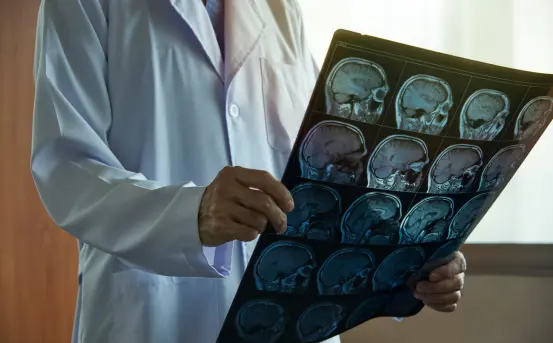
Diagnosing venous tumors requires a thorough clinical evaluation combined with advanced imaging techniques. The diagnostic process typically begins with a detailed medical history and physical examination to assess the size, location, and characteristics of the mass. Imaging studies play a critical role in confirming the diagnosis. Ultrasound is often the first imaging tool used, as it allows visualization of blood flow and venous structures. Magnetic resonance imaging (MRI) provides detailed images of soft tissues and helps determine the extent of the tumor and its relationship to surrounding structures. In some cases, computed tomography (CT) scans may be used to assess deeper or more complex lesions. Additional tests, such as venography or biopsy, may be required to better understand the nature of the tumor and rule out other conditions. Accurate diagnosis is essential for developing an effective treatment plan and preventing unnecessary complications.
Treatment Approach
The treatment of venous tumors depends on several factors, including the size of the tumor, severity of symptoms, location, and the patient’s overall health. Small, asymptomatic tumors may be closely monitored through regular follow-up visits and imaging studies, especially if they do not pose an immediate risk to circulation or organ function. When treatment is necessary, the primary goal is to restore normal blood flow, relieve symptoms, and prevent complications. Surgical removal is often recommended for tumors that cause pain, restrict movement, interfere with circulation, or show signs of rapid growth. Advances in surgical techniques have made these procedures safer and more effective, with minimal impact on surrounding tissues. In some cases, minimally invasive procedures may be used to reduce the size of the tumor or improve venous function. These approaches aim to minimize recovery time and preserve the integrity of the affected vein. The choice of treatment is always individualized, taking into account the specific needs and condition of the patient.
Recovery and Aftercare
Recovery following treatment for venous tumors varies depending on the type and extent of intervention. Patients who undergo surgical procedures may experience temporary swelling, discomfort, or bruising in the treated area. Proper wound care, prescribed medications, and activity modifications are essential for optimal healing.
Follow-up appointments are important to monitor recovery and ensure that normal blood flow has been restored. Imaging studies may be repeated to assess the success of treatment and detect any recurrence at an early stage. Maintaining a healthy lifestyle, including regular physical activity and proper circulation care, can support long-term outcomes.
Possible Complications
If venous tumors are not treated appropriately, they can lead to serious complications. These may include chronic pain, persistent swelling, blood clots, or damage to surrounding nerves and tissues. In rare cases, untreated tumors may cause significant impairment in limb function or affect nearby organs. Prompt diagnosis and proper management significantly reduce the risk of complications and improve quality of life. Patients should seek medical attention if they notice unexplained swelling, pain, or changes in the appearance of veins.
Conclusion
Venous tumors are uncommon but potentially impactful conditions that arise from abnormal growth within or around the venous system. While they may develop silently, their progression can interfere with blood circulation and cause significant symptoms if left untreated. Early detection, accurate diagnosis, and individualized treatment are key to managing venous tumors effectively.
With advancements in medical imaging and treatment options, patients diagnosed with venous tumors can expect favorable outcomes when guided by experienced vascular specialists. Awareness of symptoms and timely medical care not only prevent complications but also help restore normal function and improve overall vascular health.