Introduction
Peripheral Arterial Disease (PAD) is a serious vascular condition that affects millions globally. It occurs when the arteries that carry blood to the limbs, particularly the legs become narrowed or blocked. This restricted blood flow leads to pain, cramping, numbness, and in advanced cases, severe tissue damage. While PAD is common, especially among older adults, many people still don’t fully understand what causes it. Knowing the root causes is the first step in prevention, early diagnosis, and timely treatment.
What Exactly Causes PAD?
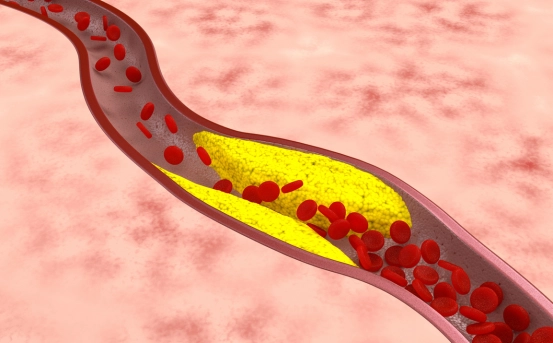
PAD primarily develops due to a process called atherosclerosis, which is the buildup of fatty deposits known as plaque inside the artery walls. As plaque accumulates, arteries become hardened and narrowed, making it difficult for blood to flow freely. Over time, this reduced blood circulation leads to muscle pain, fatigue, and in severe cases, non-healing wounds or infections.
However, atherosclerosis doesn’t happen overnight. It results from a combination of health conditions, lifestyle choices, and genetic factors. Let’s take a deeper look at the major causes.
Causes of Peripheral Arterial Disease
- Atherosclerosis :- Atherosclerosis accounts for nearly 90% of PAD cases. It begins when the inner lining of the blood vessels (endothelium) gets damaged due to factors like high cholesterol, high sugar levels, or inflammation. Once damaged, the artery walls become more prone to fat, calcium, and cholesterol buildup.
Over the years, the plaque hardens and narrows the artery, slowing or blocking blood flow. PAD most commonly affects arteries of the legs, including the femoral, popliteal, and tibial arteries.
Why atherosclerosis occurs
- High levels of LDL (“bad”) cholesterol
- Chronic inflammation
- High triglycerides
- Oxidative stress
- Poor diet containing trans fats and excessive sugar
- Understanding these triggers can help reduce atherosclerosis and lower PAD risk significantly.
- Smoking :- Smoking is one of the strongest and most aggressive causes of Peripheral Arterial Disease. Nicotine and other harmful chemicals in tobacco damage the artery walls and accelerate plaque formation. Smokers are up to 4 times more likely to develop PAD compared to non-smokers.
How smoking causes PAD
- Decreases oxygen supply to the blood
- Causes the arteries to constrict
- Increases blood clot formation
- Speeds up atherosclerosis
- Raises inflammation in blood vessels
Even passive smoking increases PAD risk. The good news? Quitting smoking can significantly improve blood flow and slow disease progression.
- Diabetes :- Diabetes, particularly when uncontrolled, is a major cause of PAD. High blood sugar levels damage the nerves and blood vessels, making diabetics more prone to circulation problems.
How diabetes contributes to PAD
- Increases plaque buildup
- Hardens arteries more rapidly
- Promotes chronic inflammation
- Slows wound healing
- Increases risk of infections in the legs
People with diabetes are 2 to 4 times more likely to develop PAD, and often experience more severe symptoms.
- High Blood Pressure (Hypertension) :- Hypertension worsens PAD by putting excessive pressure on the artery walls. Constant high pressure damages the inner lining of the arteries, making it easier for plaque to attach and accumulate.
Effects of hypertension on PAD development
- Weakens arterial walls
- Causes stiffness and narrowing
- Encourages blood clot formation
- Speeds up atherosclerosis
Managing blood pressure can greatly reduce PAD risk and prevent further arterial damage.
- High Cholesterol Levels :- Cholesterol is essential for the body, but too much LDL (“bad” cholesterol) increases the chances of plaque buildup inside arteries. When LDL levels rise, they settle into the damaged artery walls and start forming thick, hard deposits.
Impact of high cholesterol
- Increases plaque growth
- Narrows arteries
- Triggers inflammation
- Reduces oxygen-rich blood flow
Low HDL (“good” cholesterol) and high triglycerides also increase PAD risk.
- Obesity and Sedentary Lifestyle :- Excess body weight leads to several conditions like diabetes, hypertension, and high cholesterol that directly cause PAD. Lack of physical activity weakens circulation, slows metabolism, and contributes to arterial stiffness.
How obesity causes PAD
- Causes chronic inflammation
- Raises blood sugar levels
- Increases fat deposits in arteries
- Reduces blood vessel flexibility
Regular exercise helps improve blood circulation and reduces the progression of PAD.
- Family History and Genetic Factors :- Genetics play a significant role in cardiovascular health. If you have a family history of PAD, heart disease, or stroke, your chances of developing PAD are higher.
Genetic causes include
- Inherited cholesterol disorders
- Predisposition to hypertension
- Family history of early heart disease
- Inherited blood clotting abnormalities
While you may not control genetics, early screening can prevent severe complications.
- Age :- PAD is more common in older adults. As people age, blood vessels naturally lose elasticity, making them more susceptible to blockage.
Most PAD cases occur in people over 50 years, especially those with other risk factors like diabetes or smoking.
- Chronic Kidney Disease :- Kidney disease results in inflammation and blood flow issues. Patients with chronic kidney disease have higher plaque buildup and are at increased risk for arterial calcification.
CKD impacts PAD by
- Causing mineral imbalances
- Increasing blood pressure
- Accelerating atherosclerosis
- Blood Clotting Disorders :- Some people may have conditions that make their blood clot more easily. A sudden formation of clots in the arteries can cause acute PAD, leading to severe pain, numbness, and loss of limb viability.
- Inflammation and Autoimmune Diseases :- Chronic inflammatory conditions damage blood vessels over time. Autoimmune diseases like rheumatoid arthritis and lupus can inflame arteries and increase plaque formation.
Inflammatory causes of PAD
- vasculitis
- high C-reactive protein levels (CRP)
- chronic infections
Conclusion
Peripheral Arterial Disease is a complex condition with multiple causes, but most of them are preventable or manageable. Atherosclerosis remains the primary root cause, while smoking, diabetes, high blood pressure, and high cholesterol significantly raise the risks. Understanding these causes empowers individuals to take proactive steps improving lifestyle habits, controlling medical conditions, quitting smoking, and going for regular vascular screenings.