Introduction
Peripheral Arterial Disease (PAD) is a common circulatory condition in which narrowed arteries reduce blood flow to the limbs, most often affecting the legs. It develops gradually and is frequently underdiagnosed because early symptoms may be mild or mistaken for normal aging or muscle strain. PAD is a serious health condition because it not only affects mobility and quality of life but also increases the risk of heart attack, stroke, and other cardiovascular complications.
The disease occurs when fatty deposits, known as plaque, build up in the arterial walls, leading to restricted blood flow. As the condition progresses, tissues do not receive enough oxygen and nutrients, resulting in pain, delayed healing, and in severe cases, tissue damage. Understanding PAD, its causes, symptoms, diagnosis, and treatment is essential for early intervention and prevention of serious complications.
Understanding Peripheral Arterial Disease
The most common underlying cause of Peripheral Arterial Disease is atherosclerosis, a process in which cholesterol and fatty substances accumulate inside the arteries. Over time, these deposits harden and narrow the blood vessels, limiting blood flow to the extremities.
Several factors increase the risk of developing PAD. Smoking is one of the strongest contributors, as nicotine damages blood vessels and accelerates plaque buildup. Diabetes significantly increases the risk because high blood sugar levels damage the arteries and impair circulation. High blood pressure and high cholesterol also play a major role by weakening arterial walls and promoting plaque formation. Aging is another important factor, with PAD being more common in individuals over the age of 50. Additional risk factors include obesity, a sedentary lifestyle, family history of vascular disease, and chronic kidney disease.
Symptoms and Clinical Presentation
The symptoms of Peripheral Arterial Disease vary depending on the severity of the condition and the extent of arterial blockage. In the early stages, many individuals may not experience noticeable symptoms. As the disease progresses, reduced blood flow begins to affect muscle function and tissue health.
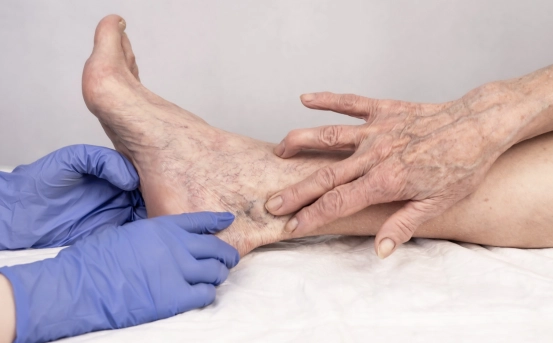
One of the most common symptoms is leg pain or cramping during walking or physical activity, which typically improves with rest. This discomfort occurs because the muscles are not receiving enough oxygen-rich blood during exertion. Other symptoms include numbness, tingling, or weakness in the legs, coldness in the lower limbs, and changes in skin color or texture. The skin may appear pale, shiny, or thin, and hair growth on the legs may decrease. In advanced stages, pain may occur even at rest, particularly at night. Non-healing wounds or ulcers on the feet or toes are a serious sign of poor circulation and require immediate medical attention. If left untreated, severe PAD can lead to tissue death and increase the risk of limb loss.
Diagnosis and Evaluation
Diagnosing Peripheral Arterial Disease involves a combination of medical history, physical examination, and diagnostic testing. During a physical exam, healthcare providers may check for weak or absent pulses in the legs and feet, listen for abnormal sounds in the arteries, and examine the skin for signs of poor circulation.
One of the most common diagnostic tools is the ankle-brachial index (ABI), a simple test that compares blood pressure in the ankle to blood pressure in the arm. A lower reading suggests reduced blood flow to the legs. Imaging studies such as Doppler ultrasound, computed tomography angiography, or magnetic resonance angiography may be used to visualize blood vessels and determine the extent of arterial narrowing. Blood tests may also be performed to assess cholesterol levels, blood sugar, and other risk factors that contribute to vascular disease. Early and accurate diagnosis is crucial for preventing disease progression and complications.
Treatment and Management
The treatment of Peripheral Arterial Disease focuses on improving blood flow, reducing symptoms, preventing disease progression, and lowering the risk of cardiovascular events. Lifestyle modifications are the foundation of PAD management. Smoking cessation is essential, as continued smoking significantly worsens the condition. Regular physical activity, especially supervised walking programs, helps improve circulation and reduce symptoms over time. Maintaining a healthy diet and managing body weight are also important.
Medications may be prescribed to control blood pressure, cholesterol levels, and blood sugar. Antiplatelet drugs are often used to reduce the risk of blood clots. In cases where symptoms persist despite conservative treatment, medical procedures may be considered to restore blood flow and relieve obstruction.
Complications and Long-Term Effects
Peripheral Arterial Disease is more than a condition affecting the legs; it is a marker of widespread vascular disease. Individuals with PAD have a higher risk of heart attack and stroke due to similar plaque buildup in other arteries throughout the body.
Without proper treatment, PAD can lead to chronic pain, limited mobility, and a decline in overall quality of life. Poor circulation increases the risk of infections and delayed wound healing. In severe cases, prolonged lack of blood flow can cause tissue damage that may require surgical intervention. Early detection and consistent management significantly reduce these risks.
Prevention and Lifestyle Considerations
Preventing Peripheral Arterial Disease involves addressing modifiable risk factors. Adopting a heart-healthy lifestyle plays a critical role in maintaining vascular health. This includes eating a balanced diet low in saturated fats, engaging in regular physical activity, maintaining healthy blood pressure and cholesterol levels, and avoiding tobacco products.
Routine medical check-ups are important, especially for individuals with diabetes, high blood pressure, or a family history of cardiovascular disease. Awareness of early symptoms allows for timely evaluation and treatment.
Conclusion
Peripheral Arterial Disease is a serious yet manageable condition that affects blood flow to the limbs and increases the risk of cardiovascular complications. Although it often develops silently, early recognition of symptoms and prompt medical care can prevent progression and improve outcomes. Through lifestyle changes, medical management, and ongoing monitoring, individuals with PAD can maintain mobility, reduce pain, and protect their overall cardiovascular health. Raising awareness about Peripheral Arterial Disease encourages early diagnosis and empowers patients to take proactive steps toward better vascular health and long-term well-being.