Introduction
The mesenteric vasculature plays a vital role in maintaining the health and function of the digestive system. It consists of a complex network of blood vessels responsible for supplying oxygenated blood to the intestines and transporting nutrient-rich blood away from the gastrointestinal tract. Proper functioning of this vascular system is essential for digestion, absorption of nutrients, immune defense, and overall metabolic balance. Any disruption in mesenteric blood flow can lead to serious medical conditions, including ischemia, inflammation, and life-threatening complications.
Understanding the mesenteric vasculature is important not only for medical professionals but also for patients dealing with abdominal pain, digestive disorders, or vascular diseases. This system works continuously to ensure that the intestines receive adequate blood supply, especially during digestion when metabolic demands are high.
Understanding the Mesenteric Vasculature
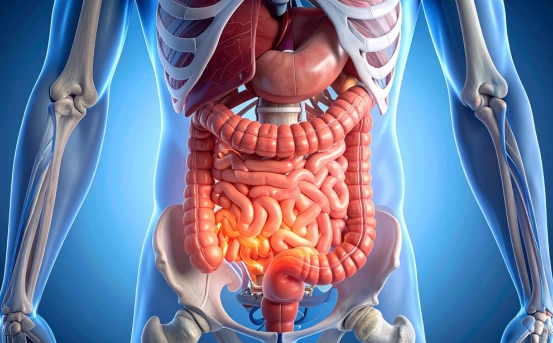
The mesenteric vasculature is located within the mesentery, a fold of tissue that anchors the intestines to the posterior abdominal wall. The mesentery contains arteries, veins, lymphatic vessels, and nerves, all of which work together to support intestinal function. The arterial component delivers oxygen-rich blood from the heart to the small and large intestines. These arteries branch extensively to reach every segment of the bowel, forming an intricate network that ensures uniform blood distribution. As blood passes through the intestinal walls, oxygen and nutrients are delivered to the tissues, supporting digestion and absorption. The venous component collects deoxygenated blood that is rich in absorbed nutrients. This blood is transported toward the liver, where nutrients are processed and toxins are filtered before circulation continues throughout the body. This connection between the intestines and the liver highlights the mesenteric vasculature’s role in metabolic regulation.
Function of the Mesenteric Vasculature
The primary function of the mesenteric vasculature is to maintain adequate blood flow to the intestines. During digestion, blood flow increases significantly to support enzymatic activity, nutrient absorption, and intestinal motility. This process, known as postprandial hyperemia, allows the intestines to function efficiently after meals. In addition to nutrient delivery, the mesenteric vasculature supports immune defense. The intestines house a large portion of the body’s immune system, and proper blood supply ensures immune cells can respond to pathogens effectively. The vasculature also aids in maintaining the integrity of the intestinal barrier, preventing harmful bacteria and toxins from entering the bloodstream. Another important function is temperature and fluid regulation within the abdominal cavity. Blood flow through the mesenteric vessels helps maintain stable internal conditions necessary for optimal digestive enzyme activity.
Regulation of Blood Flow
Blood flow within the mesenteric vasculature is tightly regulated by both local and systemic mechanisms. Hormones, neural signals, and chemical mediators influence vessel diameter, allowing the body to adjust blood supply based on physiological needs. After eating, chemical signals released from the digestive tract cause blood vessels to dilate, increasing blood flow to support digestion. Conversely, during periods of stress or reduced oxygen availability, blood flow may be redirected to vital organs such as the brain and heart. The autonomic nervous system plays a significant role in regulating mesenteric circulation. Sympathetic stimulation can reduce blood flow during emergencies, while parasympathetic activity promotes increased circulation during digestion.
Clinical Importance of Mesenteric Vasculature
The health of the mesenteric vasculature is crucial for preventing serious abdominal conditions. Reduced or interrupted blood flow can cause intestinal ischemia, leading to tissue injury and severe pain. Prolonged ischemia may result in tissue death, perforation, infection, and sepsis, making early recognition and treatment essential. Disorders affecting the mesenteric vasculature often present with abdominal pain, nausea, vomiting, weight loss, or changes in bowel habits. Because these symptoms are nonspecific, diagnosis can be challenging and may require imaging studies and laboratory tests. In surgical practice, preserving mesenteric blood supply is a critical consideration during abdominal procedures. Damage to these vessels can compromise intestinal viability and lead to postoperative complications.
Diagnostic Evaluation
Assessment of the mesenteric vasculature involves a combination of clinical evaluation and imaging techniques. Noninvasive imaging methods allow physicians to visualize blood flow, vessel integrity, and potential obstructions. Advanced imaging techniques help identify reduced circulation, vessel narrowing, or other abnormalities that may affect intestinal health. Early diagnosis allows timely intervention and reduces the risk of long-term complications. Laboratory tests may also support diagnosis by identifying markers of inflammation, infection, or tissue injury associated with compromised blood flow.
Role in Surgical and Interventional Care
In cases where mesenteric blood flow is compromised, medical intervention may be necessary to restore circulation. Surgical and interventional procedures aim to improve blood supply, relieve obstruction, and preserve intestinal function. Careful preoperative planning is essential to minimize risks and ensure adequate blood flow during and after treatment. Post-procedure monitoring focuses on maintaining circulation, preventing infection, and supporting intestinal recovery.
Conclusion
The mesenteric vasculature is a critical component of the digestive system, ensuring that the intestines receive the blood supply needed for digestion, absorption, immune defense, and metabolic regulation. Its complex network of vessels operates continuously, adapting to the body’s changing needs and supporting overall health. Disorders affecting this vascular system can have serious consequences, emphasizing the importance of early recognition, accurate diagnosis, and appropriate management. Advances in medical imaging and surgical techniques have significantly improved outcomes for patients with mesenteric vascular conditions.
A thorough understanding of the mesenteric vasculature highlights its essential role in gastrointestinal function and reinforces the importance of maintaining vascular health. Protecting this system is key to preserving digestive efficiency, preventing complications, and ensuring long-term well-being.