Introduction
Brain and spinal cord cancers are among the most challenging medical conditions, affecting thousands of people worldwide every year. While these cancers are relatively rare compared to other types, they pose significant health risks due to the complexity of the central nervous system (CNS). Understanding the causes of brain and spinal cord cancer is crucial for early detection, prevention, and timely treatment. In this blog, we explore the main causes, risk factors, and underlying mechanisms behind these cancers.
What is Brain and Spinal Cord Cancer?
Brain cancer refers to the uncontrolled growth of abnormal cells within the brain tissue. Similarly, spinal cord cancer occurs when abnormal cells develop in the spinal cord, which is a vital part of the CNS responsible for transmitting signals between the brain and the rest of the body. Both types of cancer can be primary, originating in the brain or spinal cord, or secondary (metastatic), spreading from other parts of the body.
Genetic Causes
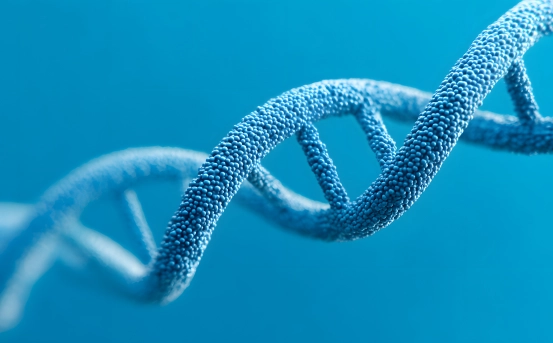
Genetics play a significant role in brain and spinal cord cancers. Certain inherited gene mutations can predispose individuals to CNS tumors. Families with a history of Li-Fraumeni syndrome, Turcot syndrome, or Gorlin syndrome have a higher likelihood of developing brain or spinal cord cancers.
- Mutations in tumor suppressor genes: Genes like TP53 regulate cell growth and prevent cancer formation. Mutations in these genes can lead to uncontrolled cell division.
- Oncogene activation: Some genetic mutations can activate oncogenes, which encourage abnormal cell growth in brain or spinal tissues.
While not everyone with genetic predisposition develops cancer, these mutations increase susceptibility, especially when combined with other risk factors like environmental exposures.
Environmental and Lifestyle Factors
Several environmental factors have been linked to an increased risk of brain and spinal cord cancers
- Radiation Exposure :- Exposure to ionizing radiation, such as medical imaging or radiation therapy, can damage DNA in cells. People exposed to high levels of radiation, especially in childhood, have a higher risk of CNS tumors.
- Chemical Exposure :- Certain industrial chemicals, such as those used in plastics, solvents, and pesticides, may increase the risk of developing brain or spinal cord cancers. Prolonged occupational exposure can be particularly harmful.
- Lifestyle Factors :- Although lifestyle has a less direct impact compared to genetics or environment, smoking, poor diet, and obesity can contribute to overall cancer risk by affecting immune function and cellular repair mechanisms.
Age and Gender Factors
Age is a notable factor in CNS cancer development. Brain and spinal cord cancers can occur at any age, but certain types, like glioblastomas, are more common in adults, while medulloblastomas primarily affect children.
Gender may also influence susceptibility. Research shows that some brain tumors, such as meningiomas, are more common in women, possibly due to hormonal influences.
Immune System Dysfunction
The immune system plays a critical role in detecting and eliminating abnormal cells. A weakened or compromised immune system may fail to identify cancerous cells, allowing tumors to develop and grow unchecked. Conditions such as HIV/AIDS or long-term use of immunosuppressive drugs increase the risk of CNS cancers.
Viral and Infectious Causes
Although less common, certain viral infections have been linked to cancer development. Viruses can integrate their genetic material into host cells, disrupting normal cellular function and triggering cancerous growth. Examples include
- Epstein-Barr Virus (EBV): Linked with some CNS lymphomas.
- Human Papillomavirus (HPV): While primarily associated with cervical cancer, rare cases suggest a role in CNS tumors.
Chronic Inflammation
Chronic inflammation in the brain or spinal cord can contribute to cancer development. Persistent inflammation may produce reactive oxygen species (ROS), which damage DNA and cellular structures, promoting tumor formation. Conditions like autoimmune disorders can indirectly increase CNS cancer risk.
Family History and Hereditary Syndromes
A family history of brain or spinal cord cancer significantly increases the risk. Genetic syndromes such as Neurofibromatosis Type 1 and 2 are characterized by the growth of tumors in the nervous system. People with these syndromes require regular monitoring due to the high likelihood of CNS tumor development.
Occupational Risk Factors
Certain professions may increase exposure to carcinogens associated with brain and spinal cord cancers. Jobs involving prolonged exposure to solvents, heavy metals, and industrial chemicals may contribute to higher incidence rates. Construction workers, painters, and chemical plant employees are examples of at-risk groups.
Unexplained or Idiopathic Causes
Despite extensive research, the exact cause of many brain and spinal cord cancers remains unknown. These idiopathic cases may result from a combination of subtle genetic predispositions, environmental exposures, and random cellular mutations. Continuous research aims to identify these hidden triggers to improve early detection and prevention strategies.
Early Detection and Prevention
Although not all causes of brain and spinal cord cancers are avoidable, some measures can reduce risk
- Avoid excessive radiation exposure
- Follow occupational safety guidelines when handling chemicals
- Maintain a healthy lifestyle with regular exercise and balanced nutrition
- Regular medical check-ups, especially for those with genetic predispositions
Early detection is critical. Symptoms like persistent headaches, seizures, memory changes, and difficulty in coordination should prompt immediate medical evaluation.
Conclusion
Brain and spinal cord cancers are complex diseases caused by a combination of genetic, environmental, and lifestyle factors. While genetics and hereditary syndromes are significant contributors, environmental exposures, immune dysfunction, viral infections, and chronic inflammation also play crucial roles. Understanding these causes helps in prevention, early detection, and better management of these life-threatening conditions.
By raising awareness of risk factors and encouraging proactive health monitoring, patients and families can take vital steps to minimize risk and seek timely treatment if necessary. Knowledge truly empowers, and in the fight against brain and spinal cord cancer, awareness can save lives.