Introduction
When a child or newborn faces a critical health condition, every second becomes important. In such situations, two highly specialized hospital units play a lifesaving role NICU (Neonatal Intensive Care Unit) and PICU (Pediatric Intensive Care Unit). With advancements in medical technology, these units have evolved into Advanced NICU and PICU, designed to provide the highest level of care, monitoring, and treatment for premature babies, newborns with complications, and critically ill children up to 18 years of age.
What is Advanced NICU and PICU
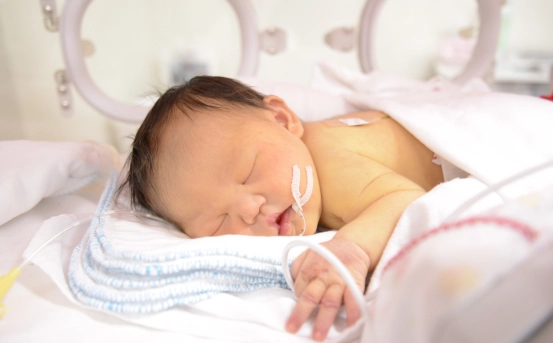
The Advanced NICU is a highly equipped medical unit dedicated to newborns who need close monitoring and lifesupporting treatments. Babies who are born premature, have low birth weight, or experience complications during delivery go to the NICU.
What makes the Advanced NICU different from a regular NICU is the availability of modern technology, expert neonatologists, advanced lifesupport devices, and continuous monitoring systems. These improvements allow doctors to stabilize newborns more efficiently and reduce risks associated with premature birth.
Who Needs Advanced NICU Care?
- Premature babies (born before 37 weeks)
- Low or very low birth weight infants
- Babies with birth asphyxia (lack of oxygen during birth)
- Newborns with congenital anomalies
- Babies with infections like sepsis
- Twins or triplets with health complications
Inside an Advanced NICU, babies are placed in state of the art incubators that regulate temperature, humidity, and oxygen levels. Continuous monitoring devices track heart rate, breathing, and blood oxygen saturation. Advanced ventilators support babies who cannot breathe independently. Every detail is carefully observed to ensure the baby stabilizes and grows safely.
Understanding Advanced PICU: Intensive Care for Children
The Advanced PICU is a specialized critical care unit for infants, children, and adolescents facing lifethreatening conditions. From severe infections to accidental injuries, heart problems, and respiratory failure, the PICU ensures 24/7 monitoring under the supervision of pediatric intensivists.
Advanced PICUs are equipped with highend ventilators, advanced cardiac monitors, defibrillators, and emergency response teams trained specifically to manage pediatric emergencies. Children in the PICU can have very different needs compared to adults, which is why pediatric critical care requires dedicated expertise.
Who Needs Advanced PICU Care?
- Children with severe infections like pneumonia or sepsis
- Respiratory failure or breathing difficulties
- Neurological emergencies such as seizures or head injuries
- Postsurgical recovery for complex pediatric surgeries
- Children with congenital heart diseases
- Trauma, burns, or accidentrelated injuries
PICU doctors work with pediatric cardiologists, neurologists, surgeons, and nurses to provide coordinated care. This multidisciplinary approach increases the child’s recovery rate and ensures no complication goes unnoticed.
Why Advanced NICU and PICU Are Crucial
Advancements in intensive care have significantly improved survival rates among newborns and children. Some key benefits include:
- Availability of HighEnd Technology : Advanced ventilators, ECMO machines, CPAP devices, fetal monitors, and advanced incubators help in delivering lifesupporting treatment in the safest way.
- 24/7 Expert Supervision : Specialized doctors, nurses, respiratory therapists, and technicians constantly monitor vital signs. Early detection of complications ensures timely treatment.
- Improved Survival Rates in Critical Cases : Conditions such as extreme prematurity, severe infections, and congenital heart issues now have a higher survival rate thanks to advanced care systems.
- FamilyCentered Support : Parents receive counseling, regular updates, and emotional support to help them cope with stressful situations.
- Multidisciplinary Team Approach : A team including neonatologists, pediatricians, cardiologists, neurologists, surgeons, dietitians, and therapists collaborates to create individualized treatment plans.
Common Treatments Offered in Advanced NICU and PICU
Both units provide a wide range of treatments depending on the patient’s condition. These include
- Mechanical ventilation and respiratory support
- Cardiac monitoring and stabilization
- Intravenous nutrition and medication therapy
- Phototherapy for newborn jaundice
- Blood transfusions
- Seizure management
- Emergency surgical interventions
- Pain management and sedation
Each treatment is tailored to the specific medical needs of the child or newborn.
How Technology Has Improved NICU and PICU Care
Modern technology plays a vital role in transforming critical care for children. Some major advancements include
- Smart Monitors : These devices continuously analyze vital signs and alert medical teams instantly if a value becomes unstable.
- HighFrequency Ventilation : Used for premature babies with delicate lungs, it delivers tiny breaths at rapid speeds to avoid lung damage.
- ECMO (Extracorporeal Membrane Oxygenation) : A lifesaving technology that supports heart and lung function in extremely critical cases.
- Advanced Imaging Systems : Portable Xray, MRI, and ultrasound machines diagnose elp complications without moving the patient.
- AIBased Monitoring (in modern advanced units) : Some units use AI to predict complications early, improving patient outcomes.
The Role of Parents in NICU and PICU Care
In today’s advanced care model, parents are encouraged to participate in their child’s recovery. This may include:
- Kangaroo mother care (skintoskin contact)
- Learning feeding techniques
- Receiving counseling and updates
- Supporting emotional stability of the child
This familyinclusive approach reduces stress and promotes faster recovery.
Conclusion
The Advanced NICU and PICU represent the highest standards of medical care for newborns and children facing critical health conditions. With advanced technology, specialized doctors, continuous monitoring, and a welltrained medical team, these units ensure that even the most vulnerable patients receive the safest and most effective treatment.