Introduction
Advances in medical science have significantly improved survival and recovery rates among critically ill newborns and children. Central to these advancements are Advanced Neonatal Intensive Care Units (NICU) and Pediatric Intensive Care Units (PICU), which provide specialized, roundtheclock care for infants and children facing lifethreatening medical conditions. These units are designed to manage complex illnesses using cuttingedge technology, highly trained healthcare professionals, and evidencebased treatment protocols.
Advanced NICU and PICU Care services play a crucial role in modern pediatric healthcare by ensuring that vulnerable patients receive immediate, precise, and compassionate care during critical stages of illness or recovery.
Understanding Advanced NICU and PICU Care
Advanced NICU and PICU facilities are specialized hospital units equipped to care for newborns and children who require continuous monitoring, life support systems, and specialized medical interventions. These units are staffed by multidisciplinary teams that include neonatologists, pediatric intensivists, trained nurses, respiratory therapists, nutritionists, pharmacists, and other healthcare specialists. The primary goal of these advanced units is to stabilize vital functions, prevent complications, and support recovery during critical phases of illness. Care is tailored to the unique physiological needs of infants and children, recognizing that they are not simply smaller versions of adults but require specialized approaches to diagnosis and treatment.
State-of-the-Art Technology and Infrastructure
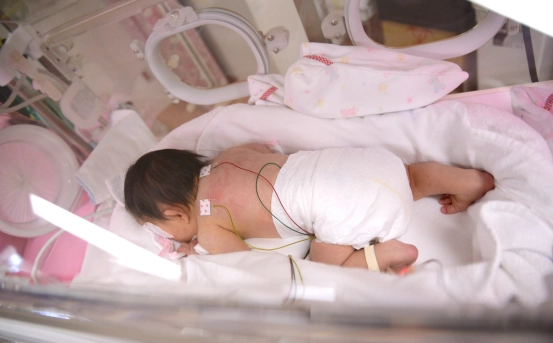
One of the defining features of advanced NICU and PICU facilities is their use of sophisticated medical technology. Continuous monitoring systems track heart rate, oxygen saturation, blood pressure, and respiratory patterns in real time, allowing clinicians to detect even subtle changes in a patient’s condition. Advanced life support equipment such as ventilators, infusion pumps, incubators, and temperature regulation systems help maintain stability in critically ill patients. Diagnostic tools, including bedside imaging and laboratory services, enable rapid assessment and timely medical decision making. The integration of modern technology ensures accurate monitoring while minimizing discomfort and invasive procedures whenever possible.
Specialized Medical Expertise
Advanced NICU and PICU care relies heavily on the expertise of highly trained healthcare professionals. Doctors and nurses working in these units undergo specialized training to manage pediatric emergencies, complex medical conditions, and postsurgical care. Their experience allows them to respond swiftly and effectively to sudden changes in a patient’s condition. Collaboration is a key component of care. Specialists from various disciplines work together to create individualized treatment plans that address not only the immediate medical needs but also long term developmental outcomes. This coordinated approach ensures comprehensive care that supports both survival and quality of life.
Family Centered Care Approach
Advanced NICU and PICU units emphasize a family centered care model, recognizing the vital role parents and caregivers play in a child’s recovery. Families are encouraged to participate in care decisions and are provided with regular updates regarding treatment progress. Support services such as counseling, education sessions, and emotional support help families cope with the stress of having a critically ill child. Many advanced units also facilitate bonding through guided parental involvement, even when the child requires intensive medical support. This approach fosters trust, improves communication, and contributes positively to the healing process.
Infection Control and Patient Safety
Infection prevention is a top priority in advanced NICU and PICU environments. Strict hygiene protocols, controlled access, and advanced sterilization practices help reduce the risk of hospital acquired infections. Continuous staff training ensures adherence to safety standards and best practices. Patient safety is further enhanced through standardized care protocols, regular audits, and the use of technology to minimize medication errors. These measures are essential for protecting vulnerable patients with immature or compromised immune systems.
Nutritional and Developmental Support
Nutrition plays a critical role in recovery and growth, particularly for newborns and children in intensive care. Advanced NICU and PICU teams work closely with nutrition specialists to provide individualized nutritional support that meets each patient’s specific needs. Beyond medical stabilization, these units also focus on developmental care, which includes minimizing stress, promoting sleep, and supporting neurological development. Gentle handling techniques, controlled lighting, and noise reduction are implemented to create a healing environment conducive to growth and recovery.
Continuous Monitoring and Long Term Outcomes
Advanced NICU and PICU care extends beyond immediate treatment. Continuous monitoring allows for early detection of complications and timely interventions. As patients recover, care teams gradually transition them toward less intensive support while preparing families for discharge. Follow up care and rehabilitation planning are integral components of advanced intensive care. This ensures continuity of care and addresses potential long term medical, developmental, or emotional needs. Early intervention and structured follow up significantly improve long term outcomes for children who have required intensive care.
Conclusion
Advanced NICU and PICU services represent the pinnacle of pediatric critical care, combining advanced technology, specialized expertise, and compassionate, family centered approaches to save lives and support recovery. These units provide a safe and controlled environment where critically ill new borns and children receive the highest standard of medical attention during their most vulnerable moments. Through continuous innovation, skilled healthcare teams, and a holistic focus on patient and family wellbeing, advanced NICU and PICU facilities play a vital role in shaping healthier futures for children. Their commitment to excellence not only improves survival rates but also ensures better quality of life and long term developmental outcomes for young patients and their families.