Introduction
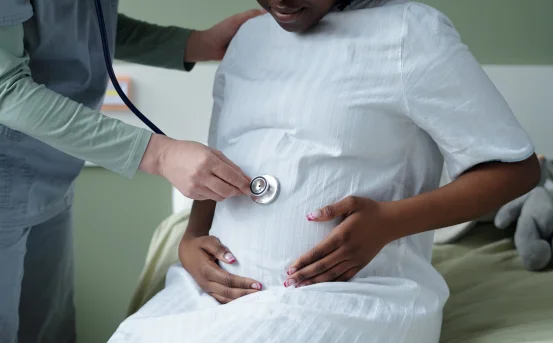
Vaginal delivery is the natural process of childbirth in which the baby is born through the birth canal without surgical intervention. It is the most common and preferred method of delivery when there are no medical complications affecting the mother or baby. While cesarean section may be necessary in certain situations, vaginal delivery offers several physical, emotional, and long-term health benefits for both mother and newborn. Understanding these advantages helps expectant mothers make informed decisions and feel more confident about the childbirth process.
Benefits of Vaginal Delivery
- Faster Recovery for the Mother :- One of the biggest benefits of vaginal delivery is quicker recovery compared to cesarean delivery. Since there is no major abdominal surgery involved, the body heals naturally and more rapidly. Most mothers are able to:
- Walk within a few hours after delivery
- Resume normal daily activities sooner
- Experience shorter hospital stays, usually 1–2 days
Faster recovery allows the mother to focus on caring for her baby and reduces the risk of postoperative complications.
- Lower Risk of Surgical Complications :- Vaginal delivery avoids the risks associated with major surgery. Cesarean sections involve anesthesia, surgical incisions, and a longer healing process, which increases the chances of complications such as infections, excessive bleeding, or blood clots. With vaginal delivery:
- There is minimal risk of surgical infection
- Blood loss is generally lower
- The chances of anesthesia-related complications are reduced
This makes vaginal birth a safer option for most healthy pregnancies.
- Better Breathing and Adaptation for the Baby :- During vaginal delivery, the baby passes through the birth canal, which helps squeeze out fluid from the lungs. This natural process prepares the baby to breathe effectively after birth. Babies born vaginally are less likely to experience:
- Breathing difficulties
- Fluid retention in the lungs
- Need for intensive neonatal care
The natural hormonal and physical changes during labor also help the baby adapt better to life outside the womb.
- Early Bonding and Breastfeeding :- Mothers who have vaginal deliveries often recover quickly enough to hold and breastfeed their baby soon after birth. Early skin-to-skin contact provides many benefits, including:
- Strengthening emotional bonding between mother and baby
- Promoting successful breastfeeding
- Regulating the baby’s body temperature and heart rate
Early breastfeeding also helps the uterus contract and reduces postpartum bleeding.
- Lower Risk in Future Pregnancies :- Vaginal delivery reduces complications in future pregnancies. Multiple cesarean sections increase the risk of conditions such as placenta previa, placenta accreta, uterine rupture, and surgical adhesions. Women who deliver vaginally generally have:
- Safer future pregnancies
- Higher chances of normal delivery again
- Fewer long-term reproductive complications
This makes vaginal delivery a better option for women planning more children.
- Shorter Hospital Stay and Lower Medical Costs :- Because recovery is faster and complications are fewer, vaginal delivery usually requires a shorter hospital stay. This results in:
- Reduced medical expenses
- Less emotional and physical stress
- Faster return to home and family environment
Shorter hospitalization also lowers the risk of hospital-acquired infections.
- Reduced Risk of Postpartum Complications :- Women who deliver vaginally have a lower risk of certain postpartum problems such as:
- Surgical wound infections
- Severe pain from abdominal incisions
- Delayed mobility
- Blood clots in the legs or lungs
Although mild vaginal soreness or perineal tears may occur, these typically heal faster than surgical wounds.
- Natural Hormonal Benefits :- Labor and vaginal delivery trigger the release of natural hormones such as oxytocin and endorphins. These hormones help:
- Strengthen emotional bonding
- Stimulate milk production
- Reduce stress and improve mood
- Support uterine contraction and reduce bleeding
This natural hormonal response contributes to overall maternal well-being after childbirth.
- Stronger Immune Protection for the Baby :- Babies born vaginally are exposed to beneficial bacteria from the mother’s birth canal. This helps develop the baby’s immune system and may reduce the risk of:
- Allergies
- Asthma
- Certain infections later in life
This early microbial exposure plays an important role in long-term health.
Emotional Satisfaction and Empowerment
Many women feel a sense of achievement and emotional satisfaction after experiencing natural childbirth. Vaginal delivery allows mothers to actively participate in the birthing process, which can enhance confidence and emotional well-being during the postpartum period.
Conclusion
Vaginal delivery offers numerous benefits for both mother and baby, including faster recovery, fewer complications, better newborn adaptation, early bonding, and long-term health advantages. It is a safe and natural method of childbirth for most uncomplicated pregnancies and supports both physical and emotional well-being. However, every pregnancy is unique, and the mode of delivery should always be decided based on medical advice and the health of the mother and baby. Proper prenatal care and guidance from healthcare professionals ensure a safe and positive childbirth experience.