Introduction
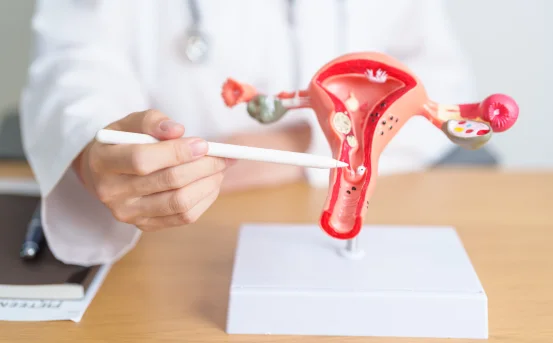
A hysterectomy is a surgical procedure in which the uterus is removed. In some cases, the cervix, ovaries, and fallopian tubes may also be removed depending on the medical condition. It is one of the most commonly performed gynecological surgeries and is usually recommended when other treatments have failed or when the condition seriously affects a woman’s health or quality of life.
Hysterectomy is considered a major decision because it permanently stops menstruation and eliminates the ability to become pregnant. Therefore, doctors recommend it only when it is medically necessary and when the benefits outweigh the risks. Understanding when a hysterectomy is needed helps women make informed decisions about their health.
When Is Hysterectomy Surgery Neede
- Severe Uterine Fibroids :- One of the most common reasons for hysterectomy is uterine fibroids. These are non-cancerous growths that develop in the uterus and may cause:
- Heavy or prolonged menstrual bleeding
- Pelvic pain or pressure
- Frequent urination due to bladder pressure
- Abdominal swelling or enlargement
When fibroids are large, multiple, or cause severe symptoms that do not improve with medication or less invasive procedures like myomectomy, hysterectomy may be recommended as a permanent solution.
- Heavy or Uncontrolled Menstrual Bleeding :- Some women experience abnormal uterine bleeding that is excessive, prolonged, or occurs between periods. This condition can lead to anemia, fatigue, and weakness. When hormonal therapy, medications, or minor procedures fail to control the bleeding, hysterectomy may be advised to stop the problem completely and improve overall health.
- Gynecological Cancers :- Hysterectomy is often necessary for the treatment of certain cancers, including:
- Uterine (endometrial) cancer
- Cervical cancer
- Ovarian cancer
- Fallopian tube cancer
In these cases, removing the uterus and sometimes surrounding organs helps eliminate cancer and prevent its spread. The type of hysterectomy depends on the stage and severity of the disease.
- Endometriosis :- Endometriosis is a condition in which tissue similar to the uterine lining grows outside the uterus, causing severe pain, heavy periods, and fertility problems. When the condition is severe and does not respond to medication or conservative surgery, hysterectomy sometimes along with removal of the ovaries—may be recommended to provide long-term relief.
- Adenomyosis :- Adenomyosis occurs when the inner lining of the uterus grows into the muscular wall. This condition can cause:
- Severe menstrual cramps
- Heavy bleeding
- Chronic pelvic pain
When symptoms are severe and other treatments fail, hysterectomy is considered the most effective treatment.
- Uterine Prolapse :- Uterine prolapse happens when the uterus slips down into or outside the vaginal canal due to weakened pelvic muscles and ligaments. Symptoms may include:
- A feeling of heaviness or pressure in the pelvis
- Difficulty urinating or passing stools
- Discomfort during walking or standing
In moderate to severe cases, especially when other treatments such as pelvic floor therapy or pessary devices do not help, hysterectomy may be required.
- Chronic Pelvic Pain :- Persistent pelvic pain that significantly affects daily life may sometimes be linked to uterine conditions such as fibroids, adenomyosis, or severe endometriosis. When the source of pain is confirmed to be the uterus and other treatments have not provided relief, hysterectomy may be recommended.
- Precancerous Conditions :- Certain abnormal cellular changes, such as severe cervical dysplasia or endometrial hyperplasia with atypia, increase the risk of developing cancer. In high-risk cases where monitoring or minor procedures are not sufficient, hysterectomy may be advised to prevent cancer.
Emergency Situations
In rare cases, hysterectomy may be performed as a life-saving emergency procedure. These situations include:
- Severe uncontrolled bleeding after childbirth
- Uterine rupture
- Serious uterine infections that do not respond to treatment
Emergency hysterectomy is performed to protect the patient’s life when other options are not effective.
When Other Treatments Have Failed
Doctors usually recommend hysterectomy only after trying less invasive treatments such as medications, hormonal therapy, minimally invasive procedures, or conservative surgeries. When symptoms persist, worsen, or significantly impact quality of life, hysterectomy becomes the most effective long-term solution.
Conclusion
Hysterectomy surgery is needed when serious uterine or gynecological conditions such as fibroids, cancer, endometriosis, adenomyosis, uterine prolapse, or uncontrolled bleeding cannot be managed with other treatments. It is also performed in emergency or high-risk situations to protect a woman’s health. Since hysterectomy is a permanent procedure that affects fertility and hormonal balance, careful medical evaluation and discussion with a gynecologist are essential. With proper guidance and timely intervention, hysterectomy can provide lasting relief from symptoms and significantly improve quality of life.