Introduction
Lip enhancement has become one of the most popular cosmetic procedures worldwide, offering individuals the opportunity to enhance the shape, volume, and symmetry of their lips. Full, well-defined lips are often associated with youth, beauty, and confidence. However, factors such as aging, genetics, lifestyle habits, and environmental exposure can cause lips to appear thin, uneven, or lose their natural fullness over time. Lip enhancement procedures are designed to restore or enhance lip appearance while maintaining a natural and balanced look that complements the face.
A Complete Guide to Fuller, Natural-Looking Lips with modern lip enhancement techniques are safe, minimally invasive, and highly customizable. Whether someone desires subtle volume, better contour, or correction of asymmetry, lip enhancement can be tailored to meet individual aesthetic goals.
What Is Lip Enhancement?
Lip enhancement refers to a range of cosmetic treatments aimed at improving the appearance of the lips. These treatments may focus on increasing volume, improving lip shape, defining the borders, or smoothing fine lines around the mouth. Lip enhancement can be temporary or long-lasting, depending on the technique used. The most common lip enhancement methods involve injectable fillers, but surgical options and non-invasive treatments are also available. The choice of procedure depends on the patient’s desired results, budget, and medical suitability.
The Lip Enhancement Procedure
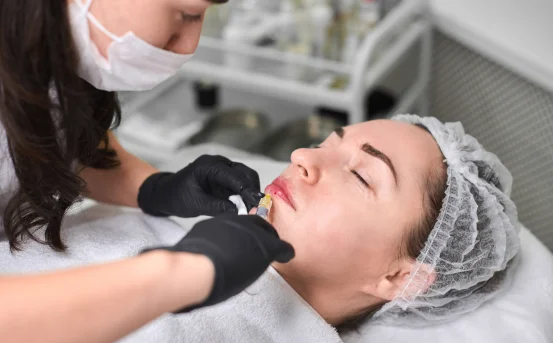
Lip enhancement procedures are usually performed in a clinic or medical aesthetic center. Injectable lip fillers typically take 15 to 30 minutes to complete. Before the procedure, a consultation is conducted to assess lip structure, facial proportions, and patient expectations. The practitioner discusses the desired outcome and selects the appropriate filler type and injection technique. A topical anesthetic or numbing agent is applied to minimize discomfort. The filler is then carefully injected into targeted areas of the lips using fine needles or cannulas. The practitioner shapes and molds the lips during the process to ensure symmetry and natural results. Fat transfer procedures require liposuction to collect fat, followed by processing and reinjection into the lips. Surgical lip enhancement procedures are performed under local or general anesthesia, depending on complexity.
Benefits of Lip Enhancement
Lip enhancement offers several aesthetic and psychological benefits. It enhances lip volume and shape, improves facial harmony, and restores youthful fullness. Many patients experience increased confidence and satisfaction with their appearance after the procedure. Additional benefits include correction of asymmetry, improved definition of the lip border, and smoothing of vertical lip lines, often referred to as “smoker’s lines.” Hyaluronic acid fillers also hydrate the lips, giving them a soft and supple texture. The results are customizable, allowing patients to choose subtle enhancement or more noticeable volume while maintaining a natural look.
Risks and Side Effects
Although lip enhancement is generally safe when performed by qualified professionals, it does carry some risks. Common side effects include temporary swelling, redness, bruising, and tenderness at the injection site. These effects usually resolve within a few days. Rare complications may include infection, allergic reactions, lump formation, or vascular issues if fillers are improperly injected. Surgical procedures carry additional risks such as scarring, implant displacement, or prolonged recovery. Choosing an experienced and certified practitioner significantly reduces these risks.
Recovery and Aftercare
Recovery from injectable lip enhancement is typically quick. Patients are advised to avoid touching or massaging the lips for the first 24 hours unless instructed otherwise. Swelling may peak within the first 48 hours and gradually subside. Avoiding strenuous exercise, alcohol, and excessive heat for a few days helps reduce swelling and bruising. Applying cold compresses can provide relief. Hydration and lip moisturization are also important for healing.
Fat transfer and surgical lip enhancement procedures require longer recovery periods, including rest, follow-up visits, and adherence to post-operative care instructions.
Longevity of Results
The duration of lip enhancement results depends on the method used. Hyaluronic acid fillers typically last between six months and one year, after which maintenance treatments are needed. Fat transfer results may last several years, though some of the transferred fat may be reabsorbed by the body. Lip implants offer permanent results but require careful consideration due to their irreversible nature.
Conclusion
Lip enhancement is a versatile and effective cosmetic solution for individuals seeking fuller, more defined, and youthful-looking lips. With advancements in aesthetic medicine, modern lip enhancement procedures offer natural-looking results with minimal downtime and high safety standards. Whether achieved through injectable fillers, fat transfer, or surgical techniques, lip enhancement can significantly enhance facial balance and self-confidence.
A successful outcome depends on realistic expectations, proper technique, and the expertise of a qualified practitioner. By choosing the right procedure and following appropriate aftercare, patients can enjoy beautifully enhanced lips that complement their natural features and improve overall facial aesthetics.