Introduction
Pediatric oncology treatment is a specialized branch of medicine dedicated to providing children with cancer the highest standard of care. Unlike adult cancer therapies, pediatric oncology focuses on tailoring treatments to meet the unique needs of growing bodies, ensuring both effectiveness and minimal long-term side effects. The benefits of pediatric oncology treatment extend beyond curing cancer; it encompasses a holistic approach that addresses emotional well-being, developmental health, and future quality of life. Modern treatment strategies combine advanced therapies such as targeted drugs, immunotherapy, chemotherapy, and precision radiation with comprehensive supportive care.
Benefits of Pediatric Oncology Treatment
- Increased Survival Rates and Successful Outcomes :- One of the most significant benefits of pediatric oncology treatment is the dramatically improved survival rate for many childhood cancers. With the development of advanced chemotherapy protocols, targeted therapies, and precise surgical techniques, survival rates for common childhood cancers like acute lymphoblastic leukemia (ALL) and Wilms tumor now exceed 80% in developed healthcare systems. Pediatric oncologists design treatment plans based on international research protocols that optimize cure rates while minimizing harm. Moreover, advancements in molecular diagnostics allow specialists to identify specific genetic markers that guide personalized therapy, leading to better outcomes and reduced risk of relapse.
- Specialized Expertise for Children :- Cancer in children is biologically and clinically different from adult cancers. Pediatric oncologists undergo rigorous training to understand these differences and create treatment protocols suited for a child’s smaller anatomy, developing organs, and unique response to medications. This specialized expertise ensures that treatments are delivered with precision, reducing the likelihood of long-term side effects such as growth issues, hormonal imbalances, or organ damage. Multidisciplinary teams, including pediatric surgeons, radiologists, nutritionists, and child psychologists, work together to ensure the child receives care tailored to every aspect of their health.
- Access to Advanced Therapies and Clinical Trials :- Pediatric oncology centers are at the forefront of medical research, often participating in international clinical trials that test new treatments. Children undergoing treatment benefit from access to breakthrough therapies such as targeted drugs that specifically attack cancer cells or immunotherapies like CAR T-cell therapy, which boosts the immune system’s ability to fight cancer. These advanced therapies often offer better outcomes with fewer side effects compared to traditional treatments. Additionally, participation in clinical trials provides children with access to the latest medical advancements long before they become widely available.
- Comprehensive Supportive Care :- Another major benefit of pediatric oncology treatment is the focus on supportive care, which addresses the emotional, psychological, and social challenges of cancer treatment. Children and families receive counseling, nutritional guidance, and educational support during treatment, helping them cope with the stress of prolonged hospital stays and frequent procedures. Pain management, infection control, and rehabilitation programs ensure that children can recover more comfortably and return to normal activities sooner. Supportive care also includes palliative interventions, when needed, to relieve discomfort and improve overall quality of life.
- Focus on Long-Term Survivorship and Quality of Life :- Curing cancer is only one part of the journey. Pediatric oncology programs emphasize survivorship care, which monitors children for long-term effects of cancer treatment and helps them transition back to normal life. Survivorship clinics track potential late effects like fertility issues, heart or lung problems, and learning challenges, allowing early intervention when needed. These programs empower survivors to live healthy, productive lives while providing emotional support and resources to help them reintegrate into school and social settings.
- Family-Centered Approach :- A unique strength of pediatric oncology is its family-centered approach. Parents and caregivers are included as essential partners in treatment planning, decision-making, and daily care. Education about the disease, treatment steps, and at-home care is provided to ensure families feel informed and supported. Many pediatric cancer centers also offer accommodations, financial counseling, and resources for siblings to ensure the entire family can navigate this challenging journey together.
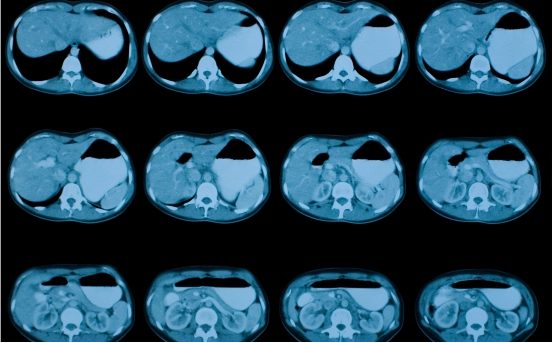
- Early Detection and Accurate Diagnosis :- Pediatric oncology treatment benefits from advanced diagnostic technologies such as MRI, PET scans, molecular testing, and genetic profiling. These tools enable accurate diagnosis and staging of cancer, which is crucial for developing effective, individualized treatment plans. Early detection not only improves survival chances but also allows doctors to use less aggressive therapies, reducing side effects and improving overall recovery.
- Emotional and Psychological Support :- Cancer diagnosis and treatment can be emotionally overwhelming for both children and their families. Pediatric oncology programs prioritize mental health by offering therapy, art and play-based counseling, and support groups. These services help children understand their treatment, reduce anxiety, and maintain a sense of normalcy. Families also receive psychological counseling to help them cope with stress, uncertainty, and emotional challenges during the treatment journey.
- Reduced Treatment-Related Side Effects :- Modern pediatric oncology treatment protocols are designed to balance effectiveness with safety. Doctors carefully select drug dosages, treatment schedules, and surgical techniques to minimize harmful side effects. The use of targeted therapy, proton beam radiation, and other advanced approaches further reduces damage to healthy tissues, allowing children to recover faster and with fewer complications.
Conclusion
The benefits of pediatric oncology treatment go beyond curing cancer they encompass a comprehensive approach that prioritizes survival, safety, and quality of life. With specialized expertise, access to advanced therapies, holistic supportive care, and long-term follow-up, children receive the best possible chance for a healthy future. As research continues to advance, treatments are becoming even more precise and less invasive, improving both survival rates and the overall well-being of young patients.
Parents who suspect any signs of cancer, such as persistent fatigue, unexplained fever, or swelling, should seek medical advice promptly. Early intervention by a pediatric oncology team can make a life-saving difference, offering children not just hope, but a real chance to grow, thrive, and live cancer-free.