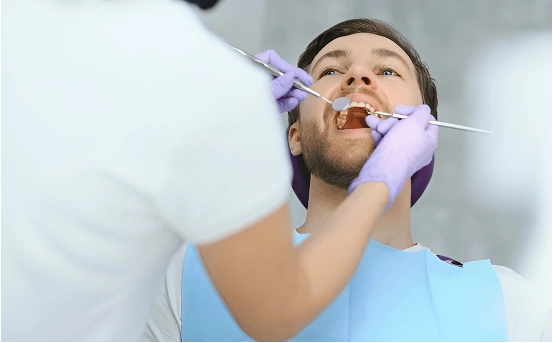
The procedure, often known as gum surgery is procedure that is designed to treat the advanced stages of gum disease (periodontitis) in addition to restoring health of the tissues supporting the teeth. While non-surgical procedures like root planing and scaling help manage the early phases of gum disease surgery is required when the damage is serious.
If untreated If left untreated, periodontal diseases can cause teeth loss, bone loss and other health issues that affect the entire system. This is why knowing the root causes of periodontal surgeries is vital to timely intervention as well as long-term oral health.
What is Periodontal Surgery?
Understanding of causes for periodontal surgery
The procedure is used to treat gum problems and to correct problems related with the bone, gums and supporting teeth’s structures. The most frequent types of periodontal surgery comprise:
- Flap Surgery (Pocket Reduction Surgery)
- Bone Grafting
- Soft Tissue Grafting
- Guided Tissue Regeneration
- Crown Lengthening
The goal of these procedures is to decrease inflammation, heal infection and repair the damage caused by periodontal diseases.
Why is Periodontal Surgery Needed?
Some gum infections don’t require surgery However, in moderate or extreme cases, non-surgical solutions don’t suffice. Here are the most common reasons and the conditions that cause periodontal surgery:
Advanced Periodontitis (Severe Gum Disease)
The most frequent reasons for having periodontal surgery is the advanced stage of periodontitis. If gum disease progresses to the point of gingivitis, it can cause deep pockets of periodontal tissue along with bone loss and gum receding. If the infection has reached this point, surgery is often the only viable treatment.
Some of the symptoms are:
- Bad breath that persists
- Bleeding gums
- Gum recession
- Teeth loose
- It is painful when chewing
Without treatment periodontitis could cause irreparable damage to the bone that supports the teeth.
Excessive Gum Recession
Gum recession exposes root of teeth, which makes them more susceptible and vulnerable to decay. A severe gum recession could necessitate grafting of soft tissue, which is a form of periodontal surgery that helps to repair gum tissue and to protect the tooth’s root.
Gum recession can be caused by:
- Brushing aggressively
- Genetic predisposition
- Tobacco use
- Poor oral hygiene
- Orthodontic treatment or a misaligned bite
Bone Loss Around Teeth
- Periodontal diseases often cause the supporting teeth’s bone to degrade. In these cases it is possible to use bone grafting, (also known as guided tissue regeneration) could be recommended to re-build the damaged bone and strengthen the teeth.
- This is particularly important for people who are contemplating dental implants because adequate bone is required to help support the implant.
Deep Periodontal Pockets
- As gum disease worsens the gap between gums and teeth grows. The periodontal pockets are an ideal habitat for bacteria which aren’t cleaned with regular scaling or brushing.
- The procedure is carried out to cleanse these pockets and to reattach your gum tissues to the teeth, decreasing the possibility of further infection.
Cosmetic or Functional Needs
Sometimes, the procedure is performed not only to improve health, but also to improve appearance and function. For example, crown lengthening alters the shape of the bone and gum to expose more tooth’s structure. This can be required to:
- Installing bridges or crowns
- Correcting the appearance of a “gummy smile”
- Improved overall smile appearance
Ineffective Non-Surgical Treatments
Non-surgical techniques like root planning and scaling are the primary option to protect to fight gum disease. But, if they do not yield results and the infection continues to persist then periodontal surgery is the next option.
Dentists might recommend surgery if:
- Gum inflammation and depth of the pocket aren’t improving.
- There is visible bone loss on the X-rays
- The condition worsens even with good oral hygiene
Tooth Mobility and Potential Tooth Loss
- If gum disease goes untreated, it may cause teeth to loosen. Surgery for periodontal disease can save the teeth by regenerating damaged tissue or stabilizing them using surgical splinting or grafting.
- Without surgery, the next step may be tooth extraction–something most patients would prefer to avoid.
Who is at Risk for Periodontal Disease Needing Surgery?
You could be at a higher chance of needing a periodontal surgery if:
- Are you a member of a family with a with a history of gum disease
- Smoke or consume tobacco products
- Are you suffering from diabetes or any other issues with your health system.
- Are pregnant (hormonal changes can affect gum health)
- Maintain poor oral hygiene
Preventing the Need for Surgery
While surgery can be beneficial but prevention is always more effective. A good oral hygiene routine including brushing twice daily flossing regularly, using antimicrobial mouthwash as well as scheduling frequent dental examinations can reduce the need for surgery.
Also, addressing first symptoms that indicate gum disease (like bloody gums, bad breath or bleeding) can help prevent the condition from getting worse.
Conclusion
Periodontal surgery is an essential dental procedure used to treat serious gum disease, repair damage to tissues, and safeguard your oral health over the long term. The primary reasons for undergoing periodontal surgeries are severe periodontitis and gum recession loss of bone, and deep pockets in the periodontal pocket. These conditions are not able to be treated effectively with surgical procedures.
The early diagnosis, regular dental visits and proper dental hygiene are the most effective methods to avoid having surgery. If surgery is required, modern periodontal procedures are non-invasive, safe and extremely efficient.
If you’re experiencing signs like gum recession, bleeding gums or loose teeth, contact a periodontist right away. A timely intervention could help save your smile and maintain the health of your teeth for a long time to follow.