Introduction
Platelet-Rich Plasma (PRP) Therapy has become a highly preferred regenerative treatment in modern medicine. From sports injuries to chronic joint pain, PRP is widely used to accelerate healing naturally by using the patient’s own blood. But what actually leads doctors to recommend PRP? What underlying causes or medical conditions require this therapy?
What Is Platelet-Rich Plasma (PRP) Therapy?
PRP Therapy involves extracting a small amount of blood from the patient, processing it in a centrifuge to concentrate platelets, and then injecting this platelet-rich plasma into the affected area. Platelets contain growth factors that promote tissue repair, collagen production, and faster healing. Doctors recommend PRP when non-surgical methods fail or when patients want to avoid major surgery. It is minimally invasive, safe, and supports natural regeneration.
Major Causes for Platelet Rich Therapy
- Chronic Joint Pain and Arthritis :- One of the biggest causes for PRP therapy is long-standing joint pain, especially in weight-bearing joints like knees, hips, and shoulders. Osteoarthritis leads to cartilage breakdown, stiffness, swelling, and decreased mobility.
PRP injections help
- Reduce inflammation
- Improve joint lubrication
- Slow cartilage degeneration
- Enhance mobility
People who are not ready for joint replacement surgery often opt for PRP as a natural alternative.
- Sports Injuries and Muscle Tears :- Athletes frequently experience injuries like ligament sprains, muscle strains, and tendon tears. Traditional rest and physical therapy may not always provide quick recovery, especially for high-performance athletes.
PRP therapy speeds up the healing of:
- Tennis elbow
- Hamstring injuries
- Rotator cuff tears
- ACL sprains
- Achilles tendon injuries
Because PRP uses the patient’s own blood, there is minimal risk and quicker return to sports.
- Tendonitis and Tendon Degeneration :- Repetitive motion and overuse can cause tendonitis pain and inflammation in the tendons. Chronic tendon problems are slow to heal due to poor blood supply.
PRP is recommended for conditions like
- Achilles tendonitis
- Patellar tendonitis (jumper’s knee)
- Golfer’s elbow
- Shoulder tendonitis
The growth factors in PRP stimulate cell regeneration and help damaged tendons recover more efficiently.
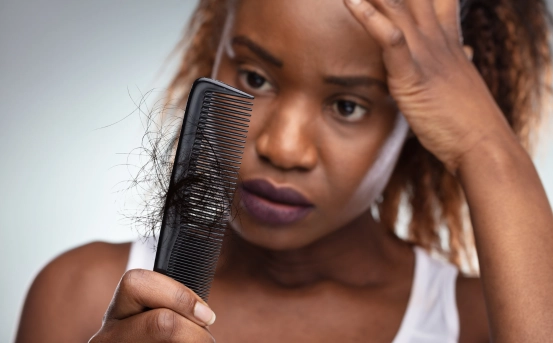
- Hair Loss and Scalp Disorders :- Another common cause for PRP therapy is hair thinning or pattern baldness. PRP has become popular in dermatology for boosting hair growth naturally.
It works by
- Increasing blood supply to hair follicles
- Strengthening hair roots
- Stimulating new hair growth
- Reducing scalp inflammation
Patients with early-stage hair loss often see the most effective results from PRP treatments.
- Skin Rejuvenation and Anti-Aging Needs :- PRP therapy is widely used in cosmetic medicine. Ageing causes fine lines, wrinkles, dull skin, and loss of elasticity. PRP facial (also called vampire facial) helps rejuvenate the skin because it boosts collagen production.
Doctors recommend PRP for
- Acne scars
- Uneven skin texture
- Pigmentation
- Fine lines and wrinkles
- Under-eye hollowness
- It is a natural, chemical-free solution for radiant and youthful skin.
- Post-Surgical Healing Enhancement :- Sometimes even after surgery such as ligament repair, bone fracture fixation, or joint replacement patients experience slow healing.
PRP is recommended post-surgery to
- Minimize inflammation
- Speed up tissue regeneration
- Reduce pain
- Strengthen soft tissues at the surgical site
This accelerates recovery and improves overall outcomes.
- Ligament Injuries and Weak Soft Tissues :- Ligament injuries, especially knee and ankle sprains, take a long time to recover due to limited blood flow. When ligaments do not heal properly, they remain weak and unstable.
PRP helps
- Strengthen ligaments
- Improve flexibility
- Reduce chronic pain
- Restore structural stability
This makes PRP a preferred non-surgical recovery option.
How PRP Works in the Body
PRP contains 5–10 times more platelets than normal blood. When injected into an injured area:
- Platelets release growth factors
- These growth factors trigger cell multiplication
- Healing tissues receive better oxygen and nutrients
- Damaged cells repair faster
- Collagen and elastin production i
Because the therapy uses the patient’s own blood, the risk of allergies or complications is extremely low.
When Do Doctors Recommend PRP Therapy?
PRP is suggested when
- Pain persists despite medication or physiotherapy
- The patient wants to avoid surgery
- Natural healing is slow
- Chronic inflammation affects mobility
- Early-stage arthritis begins to worsen
- Non-invasive cosmetic improvement is required
Doctors evaluate lifestyle, symptoms, and previous treatments before recommending PRP.
Benefits of PRP Therapy
- Minimally invasive and safe
- Uses the patient’s own blood
- Reduces pain naturally
- Enhances healing without surgery
- Supports long-term tissue regeneration
- No downtime; quick return to routine
Conclusion
PRP Therapy is recommended for a wide range of medical and cosmetic conditions—from joint pain and sports injuries to hair fall and anti-aging treatments. The natural healing power of platelets makes PRP a preferred option for those seeking a safe, effective, and non-surgical solution.
Understanding the causes that lead to PRP therapy helps patients make better, informed decisions about their health. If you’re experiencing persistent pain, slow recovery, or cosmetic concerns, PRP might be the right next step.