Introduction
Acute Limb Ischemia (ALI) is a sudden decrease in blood flow to a limb, typically the leg or arm, that can lead to severe complications, including tissue damage, limb loss, or even life-threatening conditions if not treated promptly. Unlike chronic ischemia, which develops gradually, ALI occurs rapidly, often within hours or days, demanding urgent medical attention. Understanding the causes of acute limb ischemia is crucial for early diagnosis, effective treatment, and prevention of permanent complications.
What is Acute Limb Ischemia?
Acute Limb Ischemia is characterized by a sudden reduction in arterial blood flow to an extremity. The condition often presents with the “6 Ps”: Pain, Pallor, Pulselessness, Paresthesia, Paralysis, and Poikilothermia (cold limb). These symptoms indicate that the limb is not receiving adequate oxygen and nutrients, potentially leading to tissue death if untreated. ALI is a medical emergency, and identifying its causes is key to preventing permanent damage.
Major Causes of Acute Limb Ischemia
The causes of acute limb ischemia can be broadly divided into embolic, thrombotic, and other less common factors. Each has distinct mechanisms and risk factors.
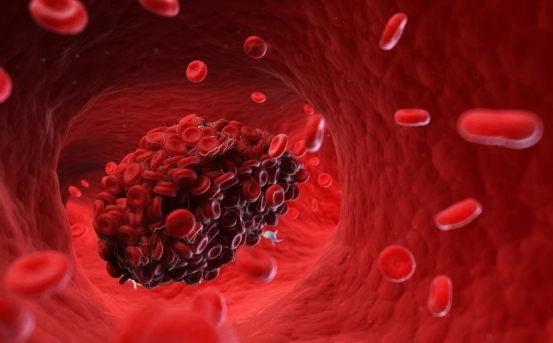
- Arterial Embolism :- Arterial embolism is one of the most common causes of acute limb ischemia. An embolus is a blood clot, fat particle, air bubble, or other substance that travels through the bloodstream and lodges in a blood vessel, blocking blood flow.
- Cardiac Sources: The heart is a primary source of emboli. Conditions such as atrial fibrillation, myocardial infarction, or infective endocarditis can lead to clot formation in the heart chambers, which then travel to peripheral arteries.
- Aneurysms: Aneurysms, particularly of the aorta or femoral arteries, can release thrombotic debris into circulation, causing embolic occlusion.
Patients with arterial embolism usually experience sudden and severe symptoms, often without prior warning signs of limb ischemia.
- Arterial Thrombosis :- Arterial thrombosis occurs when a blood clot forms directly within an artery, usually due to pre-existing arterial disease such as atherosclerosis.
- Atherosclerosis: Hardening of the arteries from cholesterol and plaque buildup narrows vessels, making them prone to sudden clot formation.
- Peripheral Artery Disease (PAD): Patients with PAD have chronically reduced blood flow, and a sudden thrombosis on top of narrowed arteries can precipitate ALI.
Unlike embolism, thrombosis often develops in arteries already affected by disease, and symptoms may progress more gradually, though still within hours to days.
- Trauma :- Traumatic injury to a limb can directly damage arteries, leading to acute ischemia. Common causes include:
- Fractures or dislocations that compress or sever arteries
- Penetrating injuries such as gunshot or stab wounds
- Crush injuries that disrupt blood flow
Trauma-related ALI is particularly urgent because it is often associated with additional complications such as nerve damage and compartment syndrome.
- Iatrogenic Causes :- Medical procedures can occasionally lead to acute limb ischemia, usually as a complication of vascular interventions. Examples include
- Catheterization procedures: During cardiac or peripheral angiography, accidental arterial damage or clot formation can block blood flow.
- Surgical interventions: Vascular surgeries, bypass grafts, or stent placements may sometimes result in thrombosis or embolization.
Patients undergoing these procedures are usually monitored closely for early signs of ischemia.
- Hypercoagulable States
Certain medical conditions increase the risk of blood clot formation, leading to acute limb ischemia. These include
- Genetic clotting disorders such as Factor V Leiden mutation or Protein C/S deficiency
- Cancer-related hypercoagulability (Trousseau’s syndrome)
- Prolonged immobilization or postoperative states, which increase clot risk
In these patients, ALI may be one of several thrombotic events, making early diagnosis and anticoagulation therapy crucial.
- Other Rare Causes :- Less commonly, acute limb ischemia can be caused by
- Arterial dissection: A tear in the artery wall reduces blood flow downstream.
- Vasospasm: Sudden arterial constriction, often triggered by medications, drugs like cocaine, or cold exposure.
- Infective or inflammatory arterial occlusion: Rare conditions such as arteritis can also precipitate ALI.
Risk Factors for Acute Limb Ischemia
While ALI can occur in anyone, certain factors increase susceptibility
- Advanced age, particularly over 60
- History of atrial fibrillation, myocardial infarction, or stroke
- Existing peripheral artery disease or atherosclerosis
- Smoking, diabetes, hypertension, or high cholesterol
- Sedentary lifestyle or prolonged immobilization
- Genetic clotting disorders or cancer
Understanding these risk factors can help in early detection and preventive measures, potentially reducing the risk of ALI.
Importance of Early Recognition
The sudden onset of symptoms in acute limb ischemia requires immediate medical evaluation. Delayed treatment can result in irreversible tissue damage, gangrene, or amputation. Diagnostic methods include Doppler ultrasound, CT angiography, or MR angiography, which help pinpoint the location and cause of arterial blockage.
Treatment depends on the underlying cause
- Embolism: Urgent thromboembolectomy or catheter-directed thrombolysis
- Thrombosis: Anticoagulation therapy and possible revascularization
- Trauma or iatrogenic causes: Surgical repair or bypass
Conclusion
Acute Limb Ischemia is a medical emergency with potentially devastating consequences. Recognizing the causes of ALI from arterial embolism and thrombosis to trauma and hypercoagulable states is essential for timely diagnosis and effective treatment. Awareness of risk factors, early symptom recognition, and rapid intervention can make the difference between saving a limb and permanent disability.