Introduction
Critical care units like the NICU (Neonatal Intensive Care Unit) and PICU (Pediatric Intensive Care Unit) play a crucial role in saving the lives of newborns, infants, and children who are facing severe medical complications. While every parent hopes for a smooth, healthy beginning for their child, certain conditions require advanced medical support to stabilize, monitor, and treat young patients. Understanding what leads to NICU and PICU admissions can help families recognize risks early, seek timely help, and feel more prepared during stressful moments.
Understanding the Need for Advanced NICU Care
NICU care is primarily required for newborns who are born preterm, have medical complications at birth, or develop serious conditions during the first hours or days of life. The causes that lead to NICU admissions vary from maternal health factors to delivery complications and congenital issues.
Causes of Advanced NICU and PICU
- Premature Birth (Preterm Delivery) : One of the most common causes of NICU admission is preterm birth, defined as birth before 37 weeks of pregnancy. Babies born early often have underdeveloped organs, especially the lungs, brain, and digestive system. They require advanced respiratory support, feeding assistance, temperature regulation, and infection control.
Causes of premature birth may include maternal infections, high blood pressure, multiple pregnancies (twins, triplets), or unknown factors. - Low Birth Weight : Babies who weigh less than 2.5 kg at birth often need specialized care because their organs may not be fully developed. Low birth weight can result from preterm delivery, placental problems, maternal malnutrition, or lifestyle factors such as smoking or alcohol use during pregnancy.
- Breathing Difficulties (Respiratory Distress) : Respiratory issues are a major reason newborns are admitted to advanced NICU care. Conditions include
- Respiratory Distress Syndrome (RDS)
- Meconium Aspiration Syndrome (MAS)
- Apnea of Prematurity
- Congenital pneumonia
These babies may require ventilators, CPAP machines, or supplemental oxygen to support their breathing until their lungs mature.
- Birth Complications or Trauma : Complications during labor such as prolonged labor, forceps/vacuum delivery, cord around the neck, or emergency Csection can lead to injuries or oxygen deprivation. Babies may suffer from
- Birth asphyxia
- Head injuries
- Nerve damage
- Low Apgar scores
Advanced NICU care becomes essential to stabilize and closely monitor such newborns.
- Infections in Newborns : Newborns are highly vulnerable to infections because their immune systems are not fully developed. Common infections requiring NICU care include:
- Sepsis
- Pneumonia
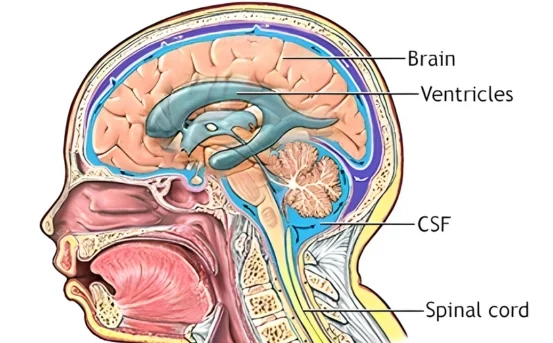
- Meningitis
- Blood infections
Timely antibiotics, monitoring, and supportive care are lifesaving in such cases.
- Congenital Anomalies or Genetic Disorders : Some babies are born with structural or genetic abnormalities that require immediate medical support. Examples include
- Congenital heart defects
- Neural tube defects
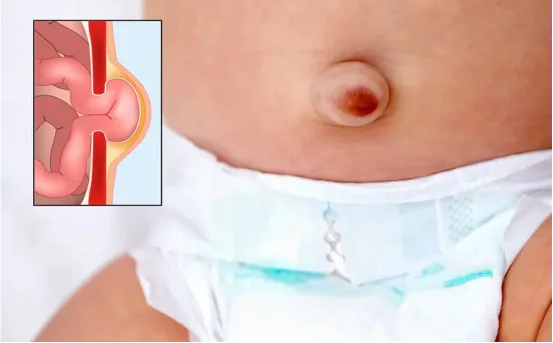
- Abdominal wall defects
- Chromosomal disorders (e.g., Down syndrome)
Advanced NICU units are equipped to stabilize these babies before or after corrective surgeries.
Understanding the Need for Advanced PICU Care
Unlike NICU, the PICU caters to infants, children, and adolescents up to 18 years old who are critically ill or require close monitoring. The reasons for PICU admission can stem from trauma, infections, chronic illnesses, or sudden medical emergencies.
- Severe Infections and Sepsis : Sepsis is one of the leading causes of PICU admissions worldwide. Children may develop severe infections due to viruses, bacteria, or fungi, affecting vital organs. Conditions include:
- Severe pneumonia
- Meningitis
- Encephalitis
- Blood infections leading to septic shock
Such cases require advanced monitoring, fluids, oxygen, and lifesupport systems.
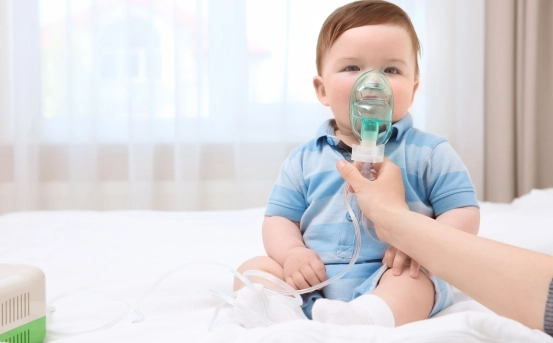
- Respiratory Failure and Asthma Attacks : Respiratory emergencies are common in children. Severe asthma attacks, bronchiolitis, croup, or lung infections can cause breathing difficulty requiring intensive support with ventilators or highflow oxygen therapy.
- Accidents, Trauma, or Injuries : Children admitted to PICU may have suffered from:
- Road accidents
- Falls
- Burns
- Drowning incidents
- Head injuries
Trauma can affect the brain, lungs, kidneys, and heart requiring immediate and advanced intervention.
- Neurological Emergencies : Seizures, brain swelling, infections like meningitis, or traumatic brain injuries often need PICU care. Chronic neurological conditions like epilepsy may also flare up and require intensive monitoring.
- Cardiac Conditions or Heart Surgeries : Children with congenital heart diseases or those who undergo cardiac surgeries often need close observation in PICU for stabilization and recovery.
- PostSurgical Intensive Care : After major surgeries such as organ transplants, orthopedic operations, abdominal surgeries, or neurosurgeries children are shifted to the PICU to ensure safe recovery, pain management, and complication prevention.
- Poisoning or Accidental Ingestion : Children may accidentally ingest medicines, chemicals, or poisonous substances, leading to lifethreatening symptoms. PICU teams provide detoxification, respiratory support, and emergency intervention.
Why Advanced NICU and PICU Care Matters
Advanced intensive care units provide specialized technology, skilled staff, roundtheclock monitoring, and lifesupport systems designed specifically for newborns and children. These units are equipped with
- Neonatal and pediatric ventilators
- Incubators and radiant warmers
- Cardiac monitors
- Advanced imaging
- Emergency medications
- Multidisciplinary specialists
Early admission and proper management significantly improve survival and recovery outcomes.
Conclusion
The causes of Advanced NICU and PICU admissions range from pregnancyrelated complications and congenital disorders to childhood infections, trauma, and chronic illnesses. While the thought of a child needing intensive care can be overwhelming for any family, understanding these causes empowers parents with awareness and preparedness.
Modern NICU and PICU facilities are designed to offer the highest standard of care with expert teams dedicated to improving survival and ensuring longterm health. With timely medical attention, many newborns and children recover fully and go on to live healthy lives.