Introduction
Colorectal cancer is one of the most common cancers worldwide and often develops silently until it reaches advanced stages. Understanding what are the causes of colorectal cancer can help you identify risk factors early, make healthier lifestyle choices, and take preventive steps like regular screenings. Although anyone can develop this disease, certain habits, conditions, and genetic factors increase the likelihood.
Causes of Colorectal Cancer
- Genetic and Family Factors :- Family history plays a significant role in your risk of developing colorectal cancer. If you have a close relative—such as a parent, sibling, or child—who has been diagnosed, your chances naturally increase.
Hereditary Conditions Linked to Colorectal Cancer
Some inherited genetic syndromes can directly lead to the formation of colorectal cancer:
- Familial Adenomatous Polyposis (FAP): This rare condition causes hundreds of polyps in the colon, often leading to cancer at a young age if not treated.
- Lynch Syndrome (Hereditary Nonpolyposis Colorectal Cancer): This is the most common hereditary cause and significantly increases the risk of colon and other cancers.
People with these genetic syndromes should begin screening much earlier than average. Genetic counseling and regular check-ups can help in early detection and prevention.
- Lifestyle-Related Causes :- Everyday habits have a strong impact on your colon health. Let’s look at some lifestyle factors that research consistently links with colorectal cancer.
- Poor Diet Choices :- Your diet plays one of the largest roles in influencing colon health. Diets high in the following items can elevate your risk:
- Red or processed meat (such as bacon, sausages, and ham)
- High-fat, low-fiber foods
- Excessive sugar consumption
On the other hand, diets rich in fruits, vegetables, whole grains, and fiber reduce the risk and promote smooth bowel movements, reducing inflammation inside the colon.
- Lack of Physical Activity :- A sedentary lifestyle slows down digestion and can increase inflammation. Regular exercise helps maintain a healthy weight, improves bowel function, and lowers cancer risk.
- Obesity :- Being overweight or obese increases pressure on internal organs and raises levels of insulin and inflammation in the body—both linked to higher cancer risk. Maintaining a healthy weight through diet and exercise is crucial.
- Smoking and Alcohol
- Smoking is strongly associated with polyps and colorectal tumors.
- Heavy alcohol consumption contributes to inflammation and can lead to DNA damage inside colon cells.
Limiting or avoiding these habits is one of the easiest ways to reduce cancer risk.
- Medical Conditions That Raise the Risk :- Certain long-term medical conditions affect the digestive system and increase the likelihood of colorectal cancer.
- Inflammatory Bowel Diseases (IBD) :- Two conditions especially raise concern:
- Ulcerative Colitis
- Crohn’s Disease
Both cause long-term inflammation in the colon, which makes the cells more vulnerable to turning cancerous. People with IBD are advised to undergo regular colonoscopies.
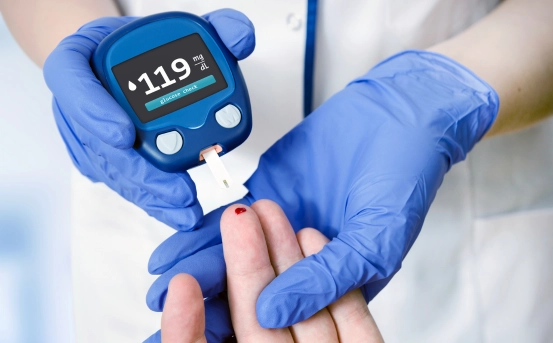
- Type 2 Diabetes :- Type 2 diabetes is linked with insulin resistance and chronic inflammation, both of which are risk factors for colon cancer. Proper diabetes management helps lower the overall risk.
- History of Polyps :- If you have had adenomatous polyps before, you are more likely to develop colorectal cancer in the future. Timely removal of polyps can prevent them from turning into cancer.
- Age and Biological Factors :- Colorectal cancer is more common in older adults, especially those above 50. However, cases in younger individuals have been rising in recent years, likely due to modern lifestyle patterns and reduced physical activity.
- Hormone Levels :- For women, certain hormonal factors may play a role. Postmenopausal hormone therapy can have mixed effects and should be discussed with a healthcare provider.
- Microbiome Imbalance :- Your gut is home to billions of bacteria. When harmful bacteria overpower healthy ones, chronic inflammation may develop, increasing the risk of colon cancer. A balanced diet and probiotics can help maintain a healthy gut environment.
- Environmental and Occupational Factors :- Exposure to certain chemicals, pollutants, and toxins over long periods can contribute to colorectal cancer risk. People working in industries involving asbestos, certain dyes, or chemical processing may face higher risk and should prioritize regular screenings. Additionally, long-term exposure to polluted air can lead to inflammation in the body, indirectly affecting colon health.
- How to Reduce Your Risk of Colorectal Cancer :- While you cannot control all risk factors—such as genetics or age—you can make choices to protect your colon health:
- Maintain a balanced, high-fiber diet
- Stay physically active
- Avoid smoking and excessive alcohol
- Monitor and manage chronic conditions like diabetes
- Go for routine screenings, especially after age 45
- Listen to your body and watch for symptoms like abnormal bowel habits, blood in stool, or persistent abdominal pain
Colorectal cancer is highly treatable when detected early, making early diagnosis the most powerful tool for prevention.
Conclusion
Colorectal cancer results from a combination of genetic, lifestyle, medical, and environmental factors. Understanding these causes empowers you to take preventive steps and protect your long-term health. If you have any risk factors or experience unusual symptoms, consult a medical specialist promptly. Early screening and lifestyle modifications can make a life-saving difference.