Introduction
Endovenous Laser Therapy (EVLT) is a modern, minimally invasive medical procedure used to treat varicose veins and chronic venous insufficiency. Over the years, it has become a preferred alternative to traditional vein stripping surgery due to its effectiveness, shorter recovery time, and reduced complications. EVLT works by using laser energy to seal off damaged veins, redirecting blood flow to healthier veins.
The need for Endovenous Laser Therapy arises when the veins in the legs fail to function properly, leading to blood pooling, vein enlargement, pain, and other complications. Understanding the causes that lead to EVLT helps patients recognize when treatment may be necessary and why early intervention is important to prevent progression of venous disease.
Understanding Vein Function and Venous Disease
Healthy veins contain one-way valves that help push blood upward toward the heart, especially from the legs against gravity. When these valves weaken or become damaged, blood flows backward and accumulates in the veins. This condition is known as venous reflux, which increases pressure inside the veins and causes them to stretch, twist, and become varicose. Endovenous Laser Therapy is recommended when conservative treatments such as compression stockings and lifestyle modifications fail to address the underlying causes of venous dysfunction.
Primary Causes of Endovenous Laser Therapy
- Chronic Venous Insufficiency (CVI) :- One of the most common causes requiring Endovenous Laser Therapy is chronic venous insufficiency. CVI occurs when leg veins are unable to efficiently return blood to the heart due to faulty valves. Over time, this leads to persistent swelling, pain, heaviness, skin discoloration, and varicose veins. When CVI progresses and symptoms worsen despite non-surgical treatments, EVLT becomes necessary to close the diseased veins and restore normal circulation.
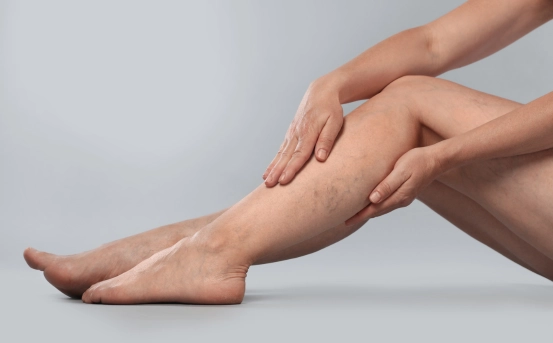
- Varicose Veins :- Varicose veins are enlarged, twisted veins that commonly appear on the legs. They develop due to prolonged venous pressure and valve dysfunction. While some varicose veins are primarily cosmetic, others cause significant discomfort, pain, itching, burning sensations, and swelling. Endovenous Laser Therapy is often recommended when varicose veins become symptomatic, recurrent, or complicated, as EVLT directly targets the root cause by sealing off the problematic vein.
- Venous Reflux Disease :- Venous reflux disease occurs when blood flows backward through damaged vein valves instead of moving upward toward the heart. This backward flow increases venous pressure and leads to vein enlargement and inflammation. EVLT addresses this cause by delivering laser energy inside the vein, causing it to collapse and seal shut. Blood is then redirected through healthier veins, relieving symptoms and preventing further vein damage.
- Persistent Leg Pain and Heaviness :- Chronic leg pain, aching, heaviness, or fatigue especially after standing or sitting for long periods can indicate underlying venous disease. These symptoms are often ignored in early stages but worsen over time. When leg discomfort becomes persistent and interferes with daily activities, and diagnostic tests confirm venous reflux, Endovenous Laser Therapy may be recommended as a definitive treatment.
- Swelling and Edema of the Legs :- Swelling of the legs and ankles is a common sign of venous insufficiency. It occurs when fluid leaks from veins into surrounding tissues due to increased venous pressure. EVLT is considered when swelling becomes chronic or recurrent and does not respond to elevation, compression therapy, or medications. Treating the underlying venous cause helps reduce fluid accumulation and discomfort.
- Skin Changes and Discoloration :- Advanced venous disease can cause noticeable skin changes such as darkening, thickening, dryness, or inflammation around the ankles and lower legs. These changes indicate prolonged venous hypertension and poor circulation. When skin changes appear, they signal the need for medical intervention. Endovenous Laser Therapy is used to stop further progression and improve skin health by correcting abnormal blood flow.
- Venous Ulcers :- Venous ulcers are open, slow-healing wounds that develop due to long-standing venous insufficiency. They commonly occur around the ankles and are painful, prone to infection, and difficult to manage. EVLT plays a crucial role in treating the underlying venous reflux that causes ulcers. By sealing off diseased veins, the therapy promotes improved circulation and supports ulcer healing.
- Failure of Conservative Treatments :- Many patients initially manage vein problems with compression stockings, exercise, leg elevation, and medications. However, when these measures fail to provide long-term relief, EVLT becomes a necessary next step. The inability of conservative treatments to address structural vein damage is a significant cause for recommending Endovenous Laser Therapy.
- Occupational and Lifestyle Factors :- Certain professions that involve prolonged standing or sitting—such as teaching, nursing, factory work, or desk jobs—contribute to venous disease. Obesity, lack of physical activity, and poor circulation further increase the risk. When lifestyle-related venous disease progresses, EVLT is often required to correct vein dysfunction and relieve symptoms.
- Genetic Predisposition :- A family history of varicose veins or venous insufficiency significantly increases the likelihood of developing vein problems. Genetic weakness in vein walls or valves may lead to early-onset venous disease. In such cases, Endovenous Laser Therapy may be required even at a younger age to prevent complications and improve quality of life.
Conclusion
Endovenous Laser Therapy is performed to address the underlying causes of venous disease, particularly chronic venous insufficiency, venous reflux, and symptomatic varicose veins. Factors such as faulty vein valves, prolonged venous pressure, genetic predisposition, lifestyle habits, and failure of conservative treatments all contribute to the need for EVLT.
By treating the root cause rather than just the visible symptoms, Endovenous Laser Therapy offers long-term relief, improved circulation, and prevention of serious complications such as skin changes and venous ulcers. Early diagnosis and timely intervention play a crucial role in successful outcomes. Consulting a qualified vascular specialist ensures proper evaluation and helps determine whether EVLT is the most appropriate treatment option for restoring vein health and enhancing overall quality of life.