





Introduction
Hair loss has become a common concern affecting millions of men and women worldwide. As thinning hair, receding hairlines, and bald patches begin to impact confidence and appearance, many individuals explore permanent solutions like hair transplant surgery. But what actually leads someone to consider a hair transplant? Understanding the underlying causes of hair loss helps explain why hair transplantation has become such a popular and effective treatment. Here we will explores the major causes of hair transplant, the types of hair loss that typically require surgical intervention, and when a transplant becomes the right choice.
Following are the Causes of Hair Transplant
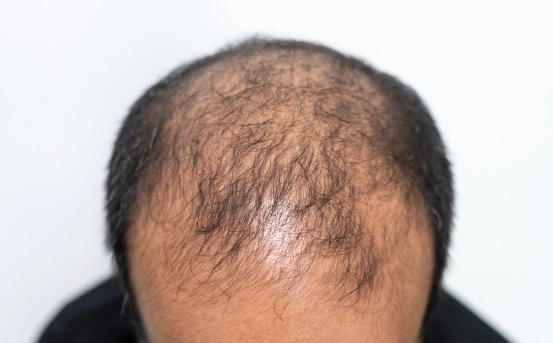
- Genetic Hair Loss (Androgenetic Alopecia) :- The most common cause of hair transplant is genetic hair loss, also known as androgenetic alopecia. This hereditary condition affects both men and women and progresses gradually over time. Genetic hair loss causes permanent miniaturization of hair follicles, especially in men who develop an “M-shaped” receding hairline and thinning crown. In women, it causes diffuse thinning across the scalp. Since the hair follicles are genetically programmed to shrink, topical or medical treatments may reduce shedding but cannot restore lost follicles. A hair transplant becomes the most effective option to redistribute healthy, DHT-resistant hair follicles from the donor area to thinning or bald areas.
- Hormonal Changes and Imbalances :- Hormonal fluctuations are another major reason individuals seek hair transplantation. Conditions such as thyroid disorders, PCOS (polycystic ovary syndrome), pregnancy-related hormonal shifts, and menopause can lead to significant hair thinning. If hormonal treatment stabilizes the condition but hair density does not return, a transplant may be used to restore volume, especially in the frontal and mid-scalp areas. Women often opt for hair transplants when hormonal hair loss becomes chronic or cosmetically significant.
- Stress-Induced Hair Loss (Telogen Effluvium) :- Severe emotional stress, illness, surgery, or nutritional deficiencies can trigger sudden hair shedding known as telogen effluvium. Although this type of hair loss is usually temporary, some cases become long-term due to repeated stress cycles. When telogen effluvium becomes chronic and leads to visible thinning over several years, a hair transplant may be considered to restore density and improve overall scalp coverage.
- Autoimmune Conditions (Alopecia Areata and Scarring Alopecias) :- Autoimmune diseases attack hair follicles and cause patchy or permanent hair loss. Alopecia areata often results in circular bald spots, while scarring alopecias such as lichen planopilaris permanently destroy follicles. Hair transplant becomes necessary only when the autoimmune condition is fully inactive and stable for a significant period. In scarring alopecia, transplantation helps reconstruct areas where follicles can no longer grow naturally.
- Trauma or Physical Injury :- Accidents, burns, cuts, or surgical procedures on the scalp can cause permanent hair loss due to damage to follicles. Hair transplant is an excellent method to restore hair in scarred areas since the surrounding healthy follicles can be transplanted into the damaged region, improving both appearance and confidence.
- Overstyling, Chemical Damage & Tight Hairstyles :- Repeated exposure to harsh cosmetic practices such as heat styling, chemical treatments (bleaching, rebonding, coloring), and tight hairstyles can cause traction alopecia. Once the damage becomes permanent and follicles are destroyed, hair cannot grow back naturally. Transplants help restore hair in affected areas, particularly the hairline and temples.
- Medical Treatments & Medication Side Effects :- Certain medications like chemotherapy drugs, beta-blockers, acne treatments, and blood thinners can trigger hair loss. If hair does not regrow even after stopping medication or completing cancer treatment, a hair transplant may be recommended to restore lost density.
- Nutritional Deficiencies :- Severe deficiencies in iron, protein, zinc, Vitamin D, and essential fatty acids can lead to diffuse thinning. If hair density remains low even after correcting deficiencies, individuals may turn to surgical hair restoration to regain fuller hair.
When Does a Hair Transplant Become Necessary?
A hair transplant is generally recommended when
- Hair follicles are permanently damaged.
- Medications like minoxidil or finasteride are not effective.
- The patient experiences long-term thinning or balding.
- Hair loss impacts self-esteem or appearance.
- Stable donor area hair is available for transplantation.
Hair transplants using techniques like FUE (Follicular Unit Extraction) or FUT (Follicular Unit Transplantation) offer long-lasting, natural-looking results because they use the patient’s own DHT-resistant hair follicles.
Conclusion
Understanding the causes of hair transplant helps individuals make informed decisions about their hair restoration journey. While temporary hair loss can often be reversed with medical treatments or lifestyle changes, permanent hair loss due to genetics, trauma, or follicle destruction typically requires surgical intervention. Consulting an experienced hair transplant specialist ensures accurate diagnosis, personalized treatment plans, and natural, satisfying results.



