Introduction
Hysteroscopy is a vital diagnostic and therapeutic procedure in modern gynecology. It allows healthcare professionals to examine the inside of the uterus using a thin, lighted telescope known as a hysteroscope. While many people associate hysteroscopy with treatment alone, it is often performed due to specific underlying causes that necessitate a closer look at the uterine cavity. Understanding these causes of hysteroscopy is essential for women experiencing abnormal gynecological symptoms and for those seeking proactive reproductive health care.
What is Hysteroscopy?
Hysteroscopy is a minimally invasive procedure that involves inserting a small, flexible tube with a camera (hysteroscope) through the vagina and cervix into the uterus. This allows the doctor to directly visualize the uterine lining, identify abnormalities, and, in some cases, perform corrective procedures during the same session. Hysteroscopy can be both diagnostic (to find the cause of symptoms) and operative (to treat certain conditions).
Common Causes of Hysteroscopy
Hysteroscopy is often recommended when women present with specific symptoms or medical conditions. Here are the primary causes:
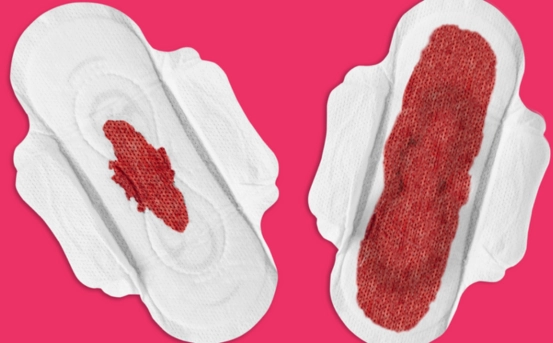
- Abnormal Uterine Bleeding :- One of the most common reasons for hysteroscopy is abnormal uterine bleeding (AUB). This includes bleeding that is:
- Excessively heavy (menorrhagia)
- Irregular or unpredictable (metrorrhagia)
- Bleeding between menstrual periods
Abnormal uterine bleeding can result from a variety of conditions, such as polyps, fibroids, endometrial hyperplasia, or hormonal imbalances. A hysteroscopy helps the doctor examine the uterine lining directly to determine the underlying cause and often allows for simultaneous removal of polyps or abnormal tissue.
- Uterine Fibroids and Polyps :- Fibroids are noncancerous growths in the uterine wall, while polyps are growths that form in the lining of the uterus. Both can cause heavy menstrual bleeding, pelvic pain, and sometimes infertility.
Hysteroscopy provides a clear view of the uterine cavity, enabling:
- Accurate detection of the number, size, and location of fibroids or polyps
- Targeted removal of these growths using operative hysteroscopy
This approach is less invasive than traditional surgery and allows for faster recovery.
- Infertility and Recurrent Miscarriage :- Women struggling with infertility or recurrent pregnancy loss may undergo hysteroscopy to investigate structural abnormalities in the uterus. Causes may include:
- Uterine septum (a congenital partition in the uterus)
- Adhesions or scar tissue (Asherman’s syndrome)
- Abnormal endometrial lining
By identifying these issues, hysteroscopy can help doctors correct uterine abnormalities, significantly improving the chances of successful conception and pregnancy.
- Endometrial Hyperplasia :- Endometrial hyperplasia occurs when the lining of the uterus becomes unusually thick, often due to hormonal imbalances. This condition may cause irregular bleeding and increase the risk of endometrial cancer. Hysteroscopy allows for:
- Direct visualization of the thickened endometrium
- Biopsy of suspicious areas for histopathological examination
Early detection of hyperplasia through hysteroscopy can prevent progression to more serious conditions, including cancer.
- Postmenopausal Bleeding :- Any vaginal bleeding after menopause is a red flag and requires thorough evaluation. Causes may include:
- Endometrial atrophy (thinning of the uterine lining)
- Polyps or fibroids
- Endometrial cancer
Hysteroscopy is often preferred over blind sampling, as it allows the doctor to visually inspect the uterus and take targeted biopsies, ensuring a more accurate diagnosis.
- Retained Products of Conception :- After a miscarriage, abortion, or childbirth, some tissue may remain in the uterus, leading to infection, bleeding, or pain. Hysteroscopy can:
- Identify residual tissue
- Facilitate safe removal without the need for extensive surgery
This approach is safer and more precise than traditional dilation and curettage (D&C) procedures.
- Uterine Adhesions (Asherman’s Syndrome) :- Uterine adhesions, also known as Asherman’s syndrome, occur when scar tissue forms inside the uterus, often after surgery, infection, or repeated miscarriages. These adhesions can cause:
- Reduced menstrual flow or amenorrhea (absence of periods)
- Infertility
- Recurrent pregnancy loss
Hysteroscopy is both diagnostic and therapeutic for Asherman’s syndrome. The doctor can visualize adhesions directly and remove them using specialized instruments, restoring the normal uterine cavity.
- Congenital Uterine Abnormalities :- Some women are born with structural abnormalities in the uterus, such as a bicornuate uterus or septate uterus, which may go unnoticed until problems with fertility or pregnancy arise. Hysteroscopy allows:
- Precise identification of these abnormalities
- Corrective procedures (like septum resection) to improve reproductive outcomes
Risk Factors and Considerations
While hysteroscopy is generally safe, certain conditions increase the likelihood of needing the procedure, such as:
- Age-related hormonal changes
- Previous uterine surgery
- History of heavy menstrual bleeding
- Infertility or recurrent miscarriages
It is essential for women experiencing unusual uterine symptoms to consult a gynecologist promptly. Early evaluation can prevent complications and improve treatment outcomes.
Benefits of Hysteroscopy
The causes of hysteroscopy highlight its importance as both a diagnostic and therapeutic tool. Key benefits include:
- Minimally invasive: No large incisions, reducing recovery time
- Accurate diagnosis: Direct visualization ensures precise detection of abnormalities
- Simultaneous treatment: Many conditions can be treated during the same procedure
- Improved fertility outcomes: Correcting structural issues enhances conception chances
- Reduced risk of complications: Compared to traditional surgery, hysteroscopy is safer and more effective
Conclusion
Hysteroscopy is a cornerstone procedure in gynecology, providing crucial insight into uterine health. The causes for undergoing hysteroscopy range from abnormal uterine bleeding and fibroids to infertility and postmenopausal bleeding. By addressing these underlying conditions, hysteroscopy not only improves reproductive outcomes but also enhances overall uterine health.