Introduction
Ingrown toenails are a common but painful foot condition that affects people of all ages. While many cases can be managed with simple home remedies or conservative treatments, some situations require a more advanced approach such as ingrown toenail surgery. Understanding the causes of ingrown toenails surgery and knowing when surgery is the right option can help you make informed decisions about your foot health.
What Is an Ingrown Toenail?
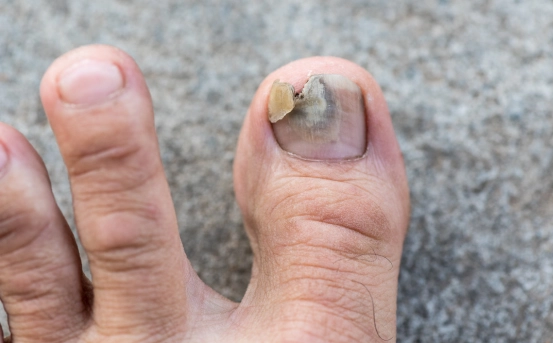
An ingrown toenail occurs when the edge or corner of a toenail grows into the surrounding skin, causing redness, pain, swelling, and sometimes infection. Although it can affect any toenail, it most commonly occurs in the big toe. If left untreated, an ingrown toenail can worsen and lead to severe discomfort, difficulty walking, and repeated infections making surgery necessary.
Common Causes of Ingrown Toenails Surgery
Understanding the underlying causes of ingrown toenails is essential to preventing recurrence and knowing when you may need surgical treatment.
- Improper Toenail Trimming :- One of the biggest culprits behind ingrown toenails is incorrect nail-cutting techniques. Cutting nails too short, rounding the edges, or trimming at an angle encourages the nail to grow into the surrounding skin. The best preventive method is to cut toenails straight across and avoid cutting them too deeply.
- Wearing Tight or Ill-Fitting Footwear :- Shoes that are too tight, narrow, or pointed can squeeze your toes and put excessive pressure on the toenails. Over time, this constant pressure can cause the nail to curve inward and pierce the skin. High heels and narrow shoes are especially problematic, making proper footwear choices essential for prevention.
- Toe Injuries :- Trauma to the toe such as stubbing your toe, dropping something heavy on it, or experiencing repetitive impact from sports can change the natural nail growth pattern. Injured toenails may start growing into the skin instead of outward, leading to discomfort and inflammation.
- Genetic Predisposition :- Some people naturally have curved or thick toenails, increasing their risk of developing ingrown nails. If your parents experienced frequent ingrown toenails, there is a higher chance that you may be prone to the condition as well.
- Poor Foot Hygiene :- Not washing your feet regularly or keeping them overly moist can lead to softened skin around the toenails. This makes the skin more vulnerable to nail penetration, setting the stage for an ingrown toenail and possible infection.
- Fungal Infections :- Toenail fungus can cause nails to thicken or become misshapen. A thick or irregular nail is more likely to press into the skin, making fungal infections a common contributor to ingrown toenails.
- Anatomical Foot Structure :- Individuals with flat feet, overly curved toes, or naturally wide nail plates may develop ingrown toenails more frequently. Structural issues create abnormal pressure on the nails, causing them to grow incorrectly.
- Repetitive Activities or Sports :- Athletes, especially runners, dancers, and soccer players are more prone to ingrown toenails due to repetitive pressure and friction. Constant impact on the toes can irritate the nail bed and cause improper nail growth.
When Does an Ingrown Toenail Need Surgery?
For many people, simple treatments such as soaking the feet, wearing open-toed shoes, and applying antiseptic cream can provide relief. However, there are situations where surgery becomes the safest and most effective option.
You may need ingrown toenail surgery if
- Pain becomes severe and persistent
- There are repeated infections
- Walking becomes difficult due to discomfort
- Conservative treatments fail
- Pus or foul-smelling discharge is present
- You suffer from underlying conditions like diabetes, which increase infection risk
Surgery helps remove the problematic portion of the nail and prevents future complications.
Types of Ingrown Toenail Surgery
Depending on the severity of your condition, your doctor may recommend one of the following procedures
- Partial Nail Avulsion :- This is the most common surgical treatment. The doctor removes the ingrown section of the nail after numbing the toe. It provides immediate relief and reduces the likelihood of the problem returning.
- Total Nail Removal :- In severe or recurrent cases, the entire nail may be removed to allow healthy regrowth. This is typically used when infection is advanced or the nail shape is significantly deformed.
- Matrixectomy :- This procedure destroys or removes the nail matrix (the root) to prevent the ingrown portion from growing back. Chemical or surgical matrixectomy is often recommended for chronic cases.
Preventing Ingrown Toenails After Surgery
Once the surgical procedure is done, proper foot care is essential to avoid recurrence. This includes
- Wearing comfortable, breathable footwear
- Keeping feet clean and dry
- Cutting nails straight across
- Avoiding injury to the toenail area
- Using antifungal treatments if necessary
Following your doctor’s post-surgery instructions ensures smooth healing and long-lasting relief.
Conclusion
Ingrown toenails may seem like a small issue, but they can lead to significant pain and complications if ignored. Understanding the common causes such as improper nail trimming, tight footwear, injuries, and infections can help you prevent the problem before it starts. However, if your symptoms persist or worsen, ingrown toenail surgery may be the best way to restore comfort and protect your foot health. Consulting a qualified podiatrist ensures you receive the right treatment tailored to your condition.