Introduction
Keratoconus is a progressive eye condition in which the normally round cornea becomes thin and starts bulging outward into a cone-like shape. This distortion affects how light enters the eye, leading to blurred or distorted vision. While keratoconus is quite common often beginning in the teenage years or early adulthood its exact cause is still not fully understood. However, advancements in eye research have identified several strong contributors that increase the likelihood of developing this condition.
Causes of Keratoconus
- Genetic Factors :- One of the most significant findings in keratoconus research is the role of genetics. Studies show that people who have a family history of keratoconus are at a much higher risk of developing it themselves. If a parent, sibling, or close relative has keratoconus, there is a possibility that the genes responsible for collagen strength and corneal structure may be inherited. While scientists have not identified a single mutation responsible for keratoconus, they believe a combination of genetic factors contributes to weakening the cornea. Children with a genetic predisposition often start showing early changes in adolescence. Therefore, regular eye checkups become essential if keratoconus is known to run in the family.
Key points:
- Genetic involvement is strong, especially among first-degree relatives.
- Weak collagen-related genes can make the cornea less stable.
- Early screening helps detect the condition before significant vision damage occurs.
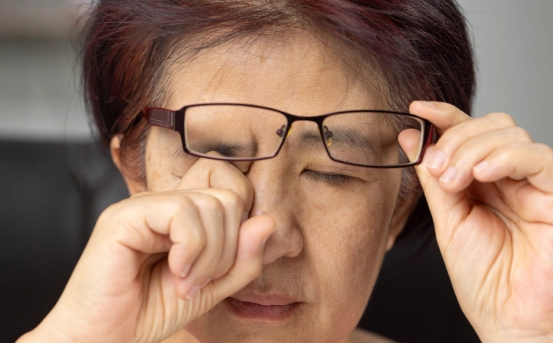
- Eye Rubbing :- Eye rubbing might seem harmless, but for people with sensitive or naturally thin corneas, this everyday habit can be highly damaging. Rubbing exerts intense mechanical pressure on the cornea, gradually weakening and thinning its structure. This is why doctors advise avoiding eye rubbing, especially for individuals with allergies or itchy eyes. Children and teenagers often rub their eyes frequently, which increases the risk of keratoconus development during the most vulnerable age.
Why eye rubbing is harmful
- It damages collagen fibers that maintain the cornea’s shape.
- It increases inflammation around the cornea.
- Consistent rubbing accelerates the progression of keratoconus.
If someone has intense itching due to allergies, sinus issues, or dry eyes, treating the underlying cause is crucial to protect corneal health.
- Environmental and External Influences :- While genetics and eye rubbing are major contributors, environmental factors also play a significant role. Individuals exposed to certain external conditions tend to have a higher risk.
Common environmental triggers include:
- Chronic Allergies :- People who suffer from allergic conjunctivitis often feel the need to rub their eyes. This combination itching and rubbing is one of the strongest contributors to keratoconus progression.
- High UV Exposure :- Ultraviolet (UV) rays may weaken corneal tissues over time. Countries with strong sunlight and outdoor work environments tend to show more keratoconus cases.
- Irritants and Dry Air :- Exposure to smoke, dust, polluted air, or strong winds may cause chronic eye irritation. Persistent irritation leads to rubbing, which again increases the risk. Environmental causes often work together with personal habits, creating a chain reaction that leads to corneal thinning over the years.
- Structural Weakness of the Cornea :- Another important cause involves the natural biomechanical structure of the cornea. Some people are born with corneas that are inherently less robust due to weak collagen fibers. The cornea gets its strength from a dense arrangement of collagen. When these fibers are not strong or are arranged loosely, the cornea becomes more vulnerable to bending or bulging.
Conditions associated with weaker corneal structure include
- Congenital eye abnormalities
- Thin cornea from birth
- Disorders affecting connective tissues
This type of corneal weakness does not cause keratoconus on its own, but it increases the likelihood when paired with habits such as rubbing or environmental triggers.
- Hormonal Changes and Age Factors :- Keratoconus commonly begins during teenage years or early twenties, which suggests hormones might play a role. During adolescence, the body undergoes rapid hormonal changes, and these shifts may affect collagen and connective tissues throughout the body including the cornea. What’s interesting is that keratoconus often stabilizes around the age of 35–40, when hormonal fluctuations tend to settle. This pattern supports the idea that hormones might influence the strength and elasticity of corneal tissue. Certain hormonal conditions like thyroid disorders also show an increased association with keratoconus.
- Medical Conditions Linked to Keratoconus :- Although keratoconus can affect anyone, research has shown that people with specific health conditions are more prone to developing it. These conditions include
- Down syndrome
- Ehlers–Danlos syndrome
- Marfan syndrome
- Sleep apnea
- Atopic diseases like eczema and asthma
All these disorders affect the body’s connective tissues, collagen structure, or healing abilities. As a result, the cornea becomes more susceptible to distortion when exposed to environmental stress.
- Oxidative Stress: A Biochemical Cause :- Recent scientific studies have also linked keratoconus to oxidative stress, a chemical imbalance in the eye. When harmful molecules called free radicals accumulate, they can damage corneal cells. This reduces the cornea’s ability to repair itself and maintain its curved structure. Oxidative stress may arise from UV exposure, pollution, smoking, or even nutritional deficiencies. While this cause is still under research, it adds another layer to understanding how multiple factors combine to trigger keratoconus.
Conclusion
Keratoconus is usually the result of several combined factors genetics, environmental triggers, biochemical weaknesses, and habits like eye rubbing. While not every cause is controllable, certain preventive steps can significantly reduce the risk.