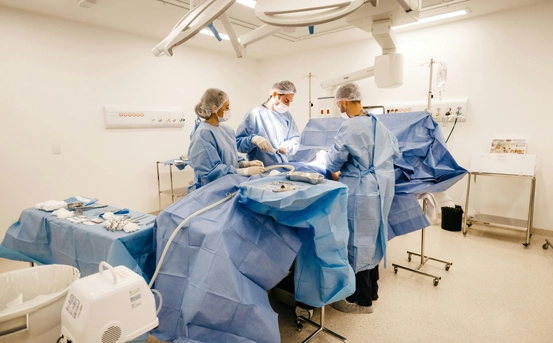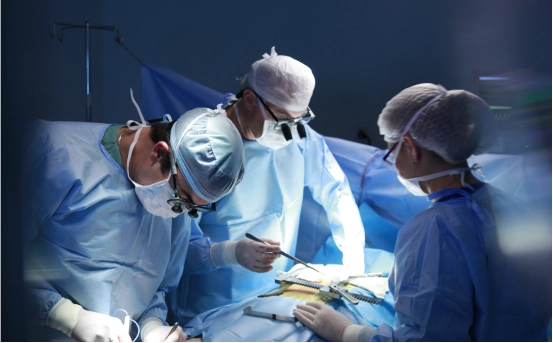
Lower Segment Cesarean Section (LSCS) is the most commonly performed type of cesarean delivery worldwide. This surgical procedure involves making a horizontal incision in the lower segment of the uterus to deliver the baby. It is generally preferred over the classical (vertical) cesarean due to its lower risk of complications and better healing outcomes. While cesarean deliveries can be elective or emergency based, an LSCS is often chosen for medical reasons to ensure the safety of both mother and baby.
An LSCS involves a horizontal incision made in the lower part of the uterus, an area that stretches easily and heals better. This surgical method has revolutionized modern obstetrics by offering a safer delivery option in high risk pregnancies or when unforeseen complications arise during labor. In fact, the increasing global rate of cesarean deliveries can often be attributed to the growing awareness among healthcare providers and parents about the safety benefits of LSCS in certain situations.
What is Lower Segment Cesarean Section (LSCS)?
A Lower Segment Cesarean Section is a surgical method used to deliver a baby through an incision made in the lower part of the uterus. This approach is safer and less traumatic for the uterus compared to a classical cesarean, as the lower uterine segment is less vascular and heals more efficiently. LSCS has become the standard technique in modern obstetrics due to its reduced risk of infection, uterine rupture in future pregnancies, and post-operative complications.
Causes of Lower Segment Cesarean Section
There are several maternal and fetal indications for performing a lower segment cesarean section. These indications may arise before labor (elective) or during labor (emergency). Let’s look into the various causes in detail.
- Previous Cesarean Delivery :- One of the most common reasons for an LSCS is a history of a previous cesarean section. While many women can opt for a Vaginal Birth After Cesarean (VBAC), some may not be suitable candidates due to the type of uterine scar from the previous surgery or associated complications. If a woman has had multiple cesareans or a classical incision in the past, the risk of uterine rupture increases, leading doctors to recommend a repeat LSCS.
- Cephalopelvic Disproportion (CPD) :- Cephalopelvic Disproportion occurs when the baby’s head is too large to pass through the mother’s pelvis. This can happen due to a large baby (macrosomia) or a small maternal pelvis. In such cases, a vaginal delivery becomes difficult or impossible, making LSCS the safer option for delivery.
- Fetal Distress :- Fetal distress refers to signs that the baby is not doing well inside the womb, typically due to inadequate oxygen supply. It may be detected through abnormal fetal heart rate patterns during labor. When fetal distress is identified, an emergency LSCS may be performed to deliver the baby quickly and prevent complications such as brain injury or stillbirth.
- Malpresentation of the Baby :- Ideally, the baby should be in a head-down (cephalic) position for vaginal delivery. However, sometimes the baby may present in a breech (feet or buttocks first), transverse (sideways), or oblique position. These malpresentations increase the risk of complications during vaginal birth and often lead to a planned or emergency LSCS.
- Placenta Previa :- Placenta previa is a condition where the placenta partially or completely covers the cervix. This blocks the baby’s exit route and poses a high risk of severe bleeding during vaginal delivery. An LSCS is the preferred mode of delivery in such cases to prevent hemorrhage and ensure the safety of both mother and baby.
- Multiple Pregnancies (Twins or More) :- While many twin pregnancies can be delivered vaginally, an LSCS may be recommended depending on factors such as fetal position, gestational age, and the health of the babies and mother. In cases of triplets or higher-order multiples, LSCS is usually the safer method of delivery.
- Prolonged or Obstructed Labor :- Sometimes, despite strong contractions and adequate cervical dilation, labor may not progress. This condition is known as prolonged or obstructed labor and can pose risks to both the mother and the baby. An LSCS may be needed to avoid maternal exhaustion, uterine rupture, or fetal complications.
- Umbilical Cord Prolapse :- In rare situations, the umbilical cord may slip into the birth canal before the baby. This is known as umbilical cord prolapse and can lead to cord compression, reducing the baby’s oxygen supply. An emergency LSCS is required to deliver the baby promptly in such cases.
- Maternal Health Conditions :- Certain maternal health issues can increase the risk of complications during vaginal birth. Conditions such as preeclampsia, eclampsia, diabetes, heart disease, or infections like active genital herpes may necessitate an LSCS. In such cases, cesarean delivery helps avoid undue stress on the mother and prevents transmission of infections to the baby.
- Failed Induction of Labor :- Labor may sometimes be medically induced when the pregnancy continues beyond the due date or when complications arise. If the induction does not result in adequate cervical dilation or strong uterine contractions, a cesarean delivery may become necessary.
- Intrauterine Growth Restriction (IUGR) :- IUGR is a condition where the baby does not grow at the expected rate in the womb. It may be due to placental insufficiency or other underlying issues. If the baby’s condition deteriorates or if there are signs of fetal compromise, an LSCS might be the safest option for delivery.
- Abnormalities in the Uterus or Pelvis :- Structural abnormalities like fibroids, uterine septum, or a narrow pelvis can interfere with the normal course of labor. These conditions may lead to labor difficulties, and a cesarean section becomes the preferred mode of delivery.
Conclusion
Lower Segment Cesarean Section (LSCS) is a lifesaving procedure in many pregnancy scenarios where vaginal delivery poses risks. Whether due to maternal health issues, fetal complications, or labor-related challenges, LSCS is often chosen to ensure the safest outcome for both mother and baby.