Introduction
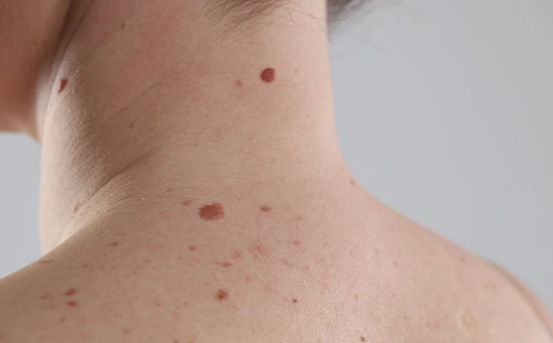
Moles are extremely common skin growths, and in most cases, they are harmless. However, there are several medical, cosmetic, and preventive reasons why individuals choose to get them removed. Whether it’s a change in appearance, discomfort, or potential health concerns, mole removal has become a well-known dermatological procedure recommended by experts worldwide. Understanding the causes of mole removal helps you make informed decisions about your skin health and recognize when it’s the right time to seek professional help.
Causes of Mole Removal
- Suspicion of Skin Cancer or Pre-Cancerous Changes :- One of the biggest and most important causes of mole removal is the concern for skin cancer, especially melanoma. Dermatologists often recommend removing moles that show any unusual behavior or fall under the abnormal category. Early detection saves lives, so removing a suspicious mole is a preventive step.
- Key signs of a suspicious mole (ABCDE rule)
- A – Asymmetry :- One half looks different from the other.
- B – Border irregularity :- Edges appear blurred, notched, or uneven.
- C – Color changes :- Multiple colors like brown, black, red, or blue.
- D – Diameter :- Larger than 6 mm (about the size of a pencil eraser).
- E – Evolving :- Rapid changes in size, shape, color, or symptoms.
Dermatologists often remove such moles for biopsy to rule out or confirm any malignant developments. This is the most crucial and medically significant reason behind mole removal.
- Cosmetic and Aesthetic Concerns :- Another common cause of mole removal is purely cosmetic. Many people feel self-conscious about prominent moles, especially those located on the face, neck, or other visible areas. While harmless, these moles can affect confidence, appearance, and comfort in social or professional settings.
- Common cosmetic reasons include
- A mole disrupting facial symmetry
- A mole appearing too dark or raised
- A mole that becomes more noticeable over time
- Personal preference to improve appearance
With advanced dermatology techniques like laser removal, minimal-scar excisions, and radiofrequency ablation, cosmetic mole removal has become safer and more precise than ever.
- Physical Discomfort or Irritation :- Some moles are harmless medically but cause discomfort due to their location or texture. When a mole constantly rubs against clothing, jewelry, shaving areas, or accessories, it can lead to irritation, redness, or even bleeding.
- Common irritated mole locations:
- Underarms
- Waistline
- Bra straps
- Beard/shaving areas
- Scalp
- Neck collar area
If a mole gets repeatedly scratched, caught, or pulled, it may grow sore and inflamed. Removing these moles provides long-term comfort and prevents complications like infection or accidental tearing.
- Rapid Changes in Size, Shape, or Texture :- Any sudden change in a mole whether painful or not should be evaluated. Even if it’s not cancer-related, rapid growth or unusual texture might indicate underlying skin issues.
- Changes that may require removal:
- A mole turning raised after being flat
- Increasing thickness or hardness
- Rough or scaly texture
- Sudden swelling
- Darkening or developing multiple colors
- New symptoms such as pain or pus
These changes may not always indicate cancer, but dermatologists remove such moles to prevent potential progression or complications.
- Family History of Melanoma :- People with a strong family history of melanoma or other skin cancers are often advised to take mole changes seriously. In many such cases, dermatologists recommend removing suspicious or large atypical moles even if they currently appear non-threatening.
- Higher genetic risk
- Presence of atypical mole syndrome
- Multiple irregular moles
- Preventive approach for long-term safety. For high-risk individuals, mole removal becomes a proactive measure.
- Congenital Moles with Long-Term Risks :- Some people are born with moles, called congenital nevi. While many remain harmless, larger congenital moles carry a slightly higher risk of developing melanoma later in life. Doctors may suggest removal for preventive reasons, especially in adolescence or early adulthood.
- If larger than 20 mm
- If showing early symptoms like itching
- If changing rapidly during hormonal phases (puberty, pregnancy)
- If the location makes monitoring difficult
Removing congenital moles may prevent long-term complications.
- Repeated Injury or Trauma to the Mole :- If a mole is located in an area prone to regular friction, it may repeatedly get injured. Chronic injury increases the risk of irritation, infection, or inflammation.
- A mole frequently cut while shaving
- A mole getting stuck in clothing or zippers
- A mole snagging on jewelry
- Constant scratching in children
To avoid repeated trauma, removal is often recommended.
Conclusion
Mole removal is not just a cosmetic decision it is often a crucial step toward preventing serious skin conditions and maintaining long-term dermatological health. Whether it’s due to cancer risk, discomfort, or aesthetic preference, understanding the causes of mole removal empowers you to make the right choice at the right time. If you notice any changes in a mole or feel bothered by its appearance or discomfort, always consult a qualified dermatologist. Early evaluation ensures safety, clarity, and peace of mind.