Introduction
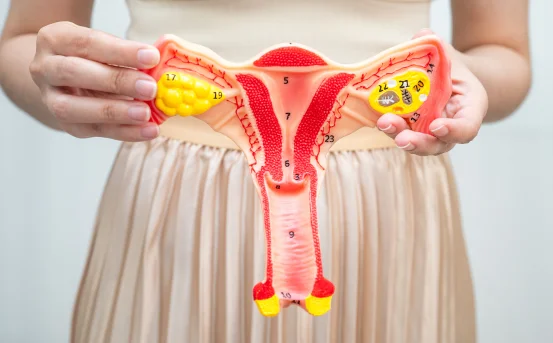
Pelvic Venous Congestion Syndrome (PVCS) is a medical condition that primarily affects women and is characterized by chronic pelvic pain due to varicose veins in the lower abdomen and pelvis. Despite being relatively common, PVCS often goes undiagnosed or misdiagnosed, as its symptoms can mimic other pelvic disorders. Understanding the causes of pelvic venous congestion syndrome is essential for early diagnosis, effective management, and improved quality of life for those affected.
What is Pelvic Venous Congestion Syndrome?
Pelvic Venous Congestion Syndrome occurs when veins in the pelvis become enlarged or varicose, leading to improper blood flow. Unlike arteries, veins rely on one-way valves to prevent blood from flowing backward. In PVCS, these valves become weakened or fail, causing blood to pool in the pelvic veins. This pooling leads to increased pressure and distension of the veins, ultimately resulting in chronic pelvic pain. Symptoms often worsen after prolonged standing, during menstruation, or after sexual activity.
PVCS is most commonly observed in women of reproductive age, particularly those who have had multiple pregnancies. The exact prevalence is difficult to determine, but studies suggest that between 10% and 30% of women with chronic pelvic pain may suffer from PVCS.
Primary Causes of Pelvic Venous Congestion Syndrome
The causes of PVCS are multifactorial and involve a combination of anatomical, hormonal, and physiological factors. Here’s an in-depth look at the key contributors
- Weak or Faulty Venous Valves :- The human venous system contains one-way valves that ensure blood flows from the extremities back to the heart. In the pelvis, these valves help direct blood from the pelvic veins upward. When these valves fail, blood can flow backward and accumulate in the veins, causing them to enlarge and become varicose. This venous reflux is a central factor in PVCS. Weak venous valves can be due to congenital factors meaning some women are born with a predisposition or acquired issues, such as damage during pregnancy or pelvic surgeries. Without functional valves, the veins are unable to efficiently transport blood, creating the painful venous congestion seen in PVCS.
- Pregnancy and Multiparity :- Pregnancy is one of the most significant risk factors for developing PVCS. During pregnancy, hormonal changes and increased blood volume cause the pelvic veins to dilate. Additionally, the growing uterus exerts pressure on the pelvic veins, further contributing to venous pooling. Women who have had multiple pregnancies (multiparity) are at an even higher risk. Each pregnancy can weaken the venous walls and valves, increasing the likelihood of developing varicose veins in the pelvic region. This explains why PVCS is more commonly diagnosed in women aged 20–45 who have a history of childbirth.
- Hormonal Influences :- Hormones play a crucial role in the development of PVCS. Estrogen and progesterone, particularly during pregnancy, cause the veins to relax and become more distensible. While this is a natural adaptation to accommodate increased blood volume, it can contribute to valve dysfunction and venous pooling in susceptible women. Furthermore, hormonal imbalances outside of pregnancy, such as those associated with menopause, polycystic ovary syndrome (PCOS), or hormone replacement therapy, can also influence venous tone and increase the risk of developing pelvic varicosities.
- Anatomical Variations :- Certain anatomical factors can predispose women to PVCS. For example
- Left ovarian vein dominance: The left ovarian vein drains into the left renal vein at a right angle, which can create higher pressure and lead to venous reflux.
- May-Thurner syndrome: Compression of the left iliac vein by the right iliac artery can lead to impaired venous return and pelvic congestion.
- Nutcracker syndrome: Compression of the left renal vein between the aorta and the superior mesenteric artery can increase pressure in the left ovarian vein, contributing to pelvic varicosities.
These anatomical variations are often congenital and may remain asymptomatic until other factors, such as pregnancy or hormonal changes, exacerbate the condition.
- Obesity and Lifestyle Factors :- Obesity is another contributor to PVCS. Excess body weight increases abdominal pressure, which can impede blood flow through the pelvic veins and exacerbate venous pooling. Prolonged periods of standing or sitting can also increase pelvic vein pressure, worsening symptoms in susceptible individuals. Additionally, a sedentary lifestyle and poor muscle tone may reduce the effectiveness of the calf and pelvic muscle pumps, which assist venous return. Without proper support, blood is more likely to stagnate in the pelvic veins.
- Previous Pelvic Surgeries or Trauma :- Surgical procedures in the pelvic area, such as hysterectomy, cesarean section, or ovarian surgery, may damage veins or disrupt normal blood flow, potentially leading to PVCS. Trauma to the pelvis, including fractures or severe injury, can have a similar effect by impairing venous drainage and promoting congestion.
How PVCS Symptoms Correlate with Its Causes
Understanding the causes of PVCS helps explain its characteristic symptoms, which include
- Chronic dull or aching pelvic pain lasting more than six months
- Pain that worsens after standing, during menstruation, or after sexual activity
- Swelling in the vulva or thighs
- Visible varicose veins on the buttocks or upper thighs
- Urinary urgency or discomfort
The combination of weak venous valves, increased pelvic pressure, and hormonal influences creates a situation where blood pools in the pelvic veins, stretching them and triggering nerve irritation. This leads to the chronic pain and discomfort experienced by PVCS patients.
Diagnosis and Management: Understanding the Cause Matters
Accurate diagnosis of PVCS requires careful evaluation of its underlying causes. Physicians may use imaging techniques such as Doppler ultrasound, CT venography, or MRI to identify venous reflux and assess vein anatomy. In some cases, venography and the injection of contrast dye into the veins can provide detailed information about the extent and location of congestion.
Treatment strategies often target the root causes of PVCS
- Minimally invasive procedures: Endovascular embolization or sclerotherapy to block faulty veins
- Surgical interventions: Vein ligation or bypass in severe cases
- Lifestyle modifications: Weight management, regular exercise, and avoiding prolonged standing
- Medication: Pain management and hormone regulation in specific cases
Addressing the underlying anatomical or physiological causes improves treatment outcomes and reduces the likelihood of recurrence.
Conclusion
Pelvic Venous Congestion Syndrome is a complex condition with multiple contributing factors. The causes are often intertwined, including weak venous valves, pregnancy-related changes, hormonal influences, anatomical variations, obesity, and prior pelvic trauma or surgery. Understanding these causes is crucial for accurate diagnosis and effective treatment, allowing women to regain comfort and quality of life.