Introduction
Renal artery stenosis (RAS) is a medical condition characterized by the narrowing of one or both arteries that supply blood to the kidneys. This narrowing can lead to reduced blood flow, causing high blood pressure (hypertension) and potentially resulting in kidney damage or chronic kidney disease. Understanding the causes of renal artery stenosis is crucial for early detection, effective treatment, and preventing long-term complications.
What is Renal Artery Stenosis?
Renal artery stenosis occurs when the renal arteries, which carry oxygen-rich blood to the kidneys, become narrowed or blocked. The kidneys play a key role in regulating blood pressure, filtering waste, and maintaining electrolyte balance. When blood flow is restricted, the kidneys perceive it as low blood pressure and trigger the release of hormones like renin, which in turn increases blood pressure throughout the body. If left untreated, RAS can lead to chronic kidney disease, heart problems, and other cardiovascular complications.
Major Causes of Renal Artery Stenosis
The causes of renal artery stenosis can generally be divided into two main categories: atherosclerosis-related and non-atherosclerotic causes.
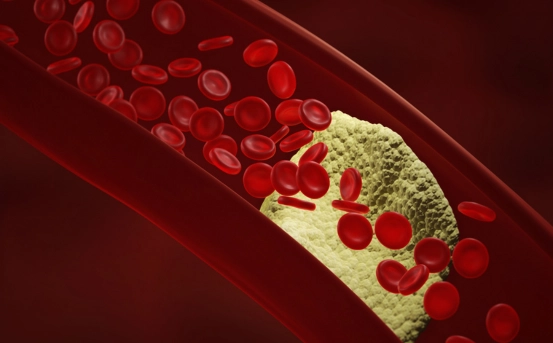
- Atherosclerosis (Hardening of the Arteries) :- Atherosclerosis is the most common cause of renal artery stenosis, especially in adults over 50 years old. It occurs when fatty deposits, cholesterol, and other substances build up on the inner walls of the arteries. These deposits form plaques that narrow the arteries, restricting blood flow to the kidneys.
Key points about atherosclerosis-related RAS
- It often affects the main renal artery near its origin from the aorta.
- Commonly associated with other cardiovascular diseases, such as coronary artery disease or peripheral arterial disease.
- Risk factors include high cholesterol, diabetes, smoking, obesity, and high blood pressure.
Atherosclerotic renal artery stenosis develops gradually, meaning many patients may not notice symptoms until the narrowing becomes severe. Early diagnosis through imaging studies like Doppler ultrasound, CT angiography, or MRI can help manage the condition effectively.
- Fibromuscular Dysplasia (FMD) :- Fibromuscular dysplasia is a non-atherosclerotic cause of renal artery stenosis that typically affects younger adults, particularly women between 20 and 50 years old. It is characterized by abnormal cell growth within the walls of the renal arteries, which causes the arteries to narrow, bulge, or form a “string of beads” appearance.
Key features of FMD-related RAS
- Often affects the middle or distal portions of the renal artery.
- Can lead to sudden or severe hypertension, sometimes in otherwise healthy individuals.
- The exact cause of fibromuscular dysplasia is not fully understood, but genetic predisposition, hormonal factors, and connective tissue disorders may play a role.
Unlike atherosclerosis, FMD-related RAS is usually not associated with traditional cardiovascular risk factors, and patients often present with high blood pressure resistant to standard medications.
- Inflammatory and Autoimmune Conditions :- Certain autoimmune or inflammatory conditions can lead to renal artery stenosis by causing inflammation of the arterial walls, leading to thickening and narrowing.
Examples include
- Takayasu arteritis: A rare inflammatory disease affecting large arteries, often involving the aorta and its branches, including the renal arteries.
- Polyarteritis nodosa: A systemic vasculitis that can damage medium-sized arteries, leading to stenosis.
These conditions can lead to sudden or progressive narrowing of the renal arteries and are more common in young adults and women. Treatment usually involves managing the underlying inflammation with medications such as corticosteroids or immunosuppressants.
- Congenital Abnormalities :- In rare cases, renal artery stenosis may be present from birth due to congenital anomalies of the renal arteries. These anomalies can include
- Abnormally narrow arteries
- Arterial malformations that impede blood flow
Congenital RAS is uncommon but can cause hypertension early in life and may require surgical intervention for correction.
- Thromboembolic Events :- Blood clots or emboli originating from the heart or other arteries can sometimes lodge in the renal arteries, leading to sudden narrowing or blockage.
Causes of thromboembolic renal artery stenosis include
- Atrial fibrillation or other heart rhythm disorders that increase the risk of clot formation.
- Atherosclerotic plaque rupture, where fragments break off and travel to the renal arteries.
- Post-surgical complications or trauma, leading to clot formation.
Thromboembolic events are usually acute and may present with sudden flank pain, decreased kidney function, or rapid-onset hypertension.
- External Compression :- Although rare, external compression of the renal arteries by tumors, cysts, or abnormal fibrous tissue can cause narrowing of the arteries. Conditions such as retroperitoneal fibrosis may result in pressure on the renal arteries, reducing blood flow to the kidneys.
Risk Factors for Renal Artery Stenosis
Several factors increase the likelihood of developing renal artery stenosis, depending on the underlying cause
- Age over 50 years (more prone to atherosclerosis)
- High cholesterol and triglycerides
- Diabetes mellitus
- Smoking or tobacco use
- Family history of vascular disease
- Female gender and young age (more prone to FMD)
- Chronic inflammatory or autoimmune disorders
Understanding these risk factors helps identify individuals at higher risk and implement preventive measures early.
Symptoms of Renal Artery Stenosis
Many people with renal artery stenosis may remain asymptomatic for years. However, when symptoms appear, they often include
- High blood pressure that is difficult to control
- Reduced kidney function or unexplained increase in serum creatinine
- Fluid retention, swelling in the legs or ankles
- Fatigue and general weakness
- Occasionally, abdominal bruit (a sound heard over the abdomen with a stethoscope)
Diagnosis and Treatment
Renal artery stenosis is diagnosed through imaging studies such as
- Doppler ultrasound to assess blood flow in the renal arteries
- CT angiography or MR angiography for detailed visualization
- Renal arteriography (considered the gold standard for diagnosis)
Treatment depends on the severity and underlying cause
- Medications to control blood pressure
- Angioplasty and stenting for significant narrowing
- Surgical revascularization in selected cases
- Management of underlying conditions, such as autoimmune diseases or FMD
Conclusion
Renal artery stenosis is a complex condition with multiple causes, ranging from atherosclerosis and fibromuscular dysplasia to autoimmune diseases, congenital anomalies, thromboembolic events, and rare external compressions. Early identification of risk factors and prompt medical evaluation are essential to prevent complications like kidney damage and uncontrolled hypertension. If you experience unexplained high blood pressure or kidney function issues, consulting a healthcare professional for evaluation is crucial. Understanding the causes of renal artery stenosis is the first step toward effective management and long-term kidney health.