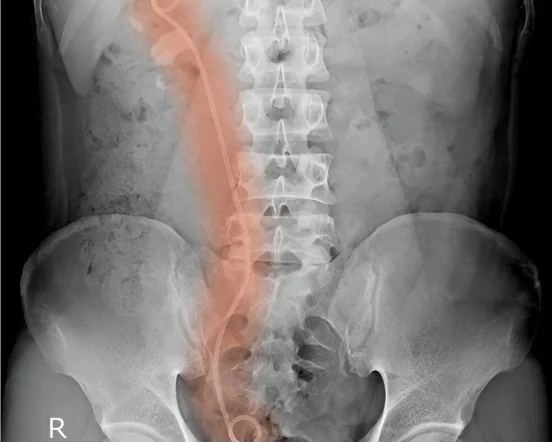
Introduction
Urological cancers are a group of malignancies that affect the urinary system and male reproductive organs, including the kidneys, bladder, ureters, prostate, and testicles. These cancers can significantly impact a person’s health, and early detection plays a critical role in successful treatment. Understanding the causes and risk factors associated with urological cancers can help individuals take preventive measures and seek timely medical care.
What is Urological Cancer?
Urological cancer refers to malignancies affecting the urinary tract and male reproductive organs. The most common types include
- Kidney cancer originates in the kidneys and is often detected through imaging studies.
- Bladder cancer develops in the lining of the bladder and is more common in older adults.
- Prostate cancer affects the prostate gland in men, often detected via PSA testing or digital rectal examination.
- Testicular cancer develops in the testicles, most common in younger men.
- Ureteral cancer is a rare cancer affecting the tubes that carry urine from the kidneys to the bladder.
Each type of urological cancer has distinct causes and risk factors, though some overlap exists.
Major Causes of Urological Cancer
- Genetic Factors :- Genetics plays a crucial role in the development of many urological cancers. Certain inherited gene mutations increase the risk of cancer. For example
- BRCA1 and BRCA2 mutations: Linked with higher risk of prostate cancer.
- Von Hippel-Lindau (VHL) syndrome: Can lead to kidney cancer.
- Lynch syndrome: Increases the likelihood of urinary tract cancers, particularly ureter and bladder cancer.
Family history of urological cancers can indicate a higher risk, emphasizing the importance of genetic counseling for high-risk individuals.
- Age and Gender :- Age is a significant risk factor for urological cancers. The majority of these cancers are diagnosed in individuals over 50 years. Gender also plays a role
- Prostate cancer occurs exclusively in men and becomes more prevalent with age.
- Bladder cancer is about three times more common in men than women.
- Testicular cancer is most common in young men aged 20–40.
Awareness of age- and gender-related risks can help in timely screening and early detection.
- Lifestyle Factors :- Lifestyle choices significantly influence the risk of developing urological cancers. Some of the key factors include
- Smoking: The leading cause of bladder cancer. Tobacco carcinogens are filtered by the kidneys and excreted in urine, damaging the bladder lining.
- Diet and obesity: Diets high in red and processed meats, and obesity, are linked with an increased risk of kidney and prostate cancers.
- Alcohol consumption: Excessive alcohol intake may indirectly contribute to urological cancers by increasing obesity and hormonal imbalances.
Adopting a healthy lifestyle with a balanced diet, regular exercise, and avoiding smoking can significantly reduce the risk.
- Occupational Exposure :- Certain chemicals and industrial environments are associated with higher incidences of urological cancers
- Arsenic: Exposure through contaminated water can increase the risk of bladder and kidney cancers.
- Industrial chemicals: Workers in dye, rubber, leather, and chemical industries are more prone to bladder cancer due to exposure to carcinogenic compounds.
- Radiation exposure: Both environmental and medical radiation may contribute to kidney and bladder malignancies.
Occupational safety measures, such as protective gear and monitoring, are essential for individuals working in high-risk environments.
- Chronic Infections and Inflammation :- Chronic urinary tract infections, bladder stones, and inflammation can contribute to cancer development over time
- Schistosomiasis infection: A parasitic infection common in certain regions, increases bladder cancer risk.
- Chronic irritation: Long-term catheter use or recurrent infections may promote malignant changes in the bladder lining.
Prompt treatment of infections and proper management of urinary tract conditions can help reduce this risk.
- Hormonal and Endocrine Factors :- Hormonal imbalances may play a role in the development of urological cancers
- Androgens (male hormones): Influence prostate cancer growth.
- Obesity-related hormonal changes: Excess body fat can alter estrogen and insulin levels, impacting kidney and prostate cancer risk.
Hormone-related therapies and monitoring can help in managing patients at high risk of hormone-sensitive urological cancers.
- Environmental and Geographic Factors :- Environmental factors, including geographic location and water quality, can affect urological cancer risk
- Contaminated water: Exposure to heavy metals and toxins in drinking water can increase bladder and kidney cancer prevalence.
- Sunlight and vitamin D: Low vitamin D levels have been linked to increased risk of certain kidney and prostate cancers.
Awareness of environmental risks and regular health check-ups can help mitigate these factors.
Reducing the Risk of Urological Cancer
While some risk factors like age and genetics cannot be controlled, many lifestyle and environmental factors are modifiable. Steps to reduce risk include
- Avoiding tobacco products and limiting alcohol consumption.
- Maintaining a healthy weight and following a balanced diet rich in fruits and vegetables.
- Staying hydrated to support kidney and bladder health.
- Practicing safe occupational habits and using protective equipment.
- Undergoing regular medical screenings, especially for high-risk individuals.
- Promptly treating urinary tract infections and managing chronic inflammation.
Conclusion
Understanding the causes of urological cancer is essential for early detection, prevention, and better treatment outcomes. Genetics, lifestyle choices, occupational hazards, chronic infections, and environmental factors all contribute to the development of these cancers. Awareness of these risks, coupled with healthy lifestyle choices and timely screenings, can significantly reduce the incidence and improve survival rates for individuals affected by urological cancers.