





Introduction
Ventriculoperitoneal (VP) shunt surgery is a critical neurosurgical procedure that helps manage excess cerebrospinal fluid (CSF) in the brain, commonly caused by hydrocephalus. This procedure involves inserting a flexible tube that diverts excess fluid from the ventricles in the brain to the peritoneal cavity, where it can be absorbed by the body. While VP shunt surgery can significantly improve quality of life, understanding the underlying causes of ventriculoperitoneal shunt surgery that necessitate this surgery is essential for patients and caregivers.
What Is a Ventriculoperitoneal Shunt?
A VP shunt is a medical device designed to relieve intracranial pressure caused by the accumulation of cerebrospinal fluid (CSF) in the brain. CSF is a clear fluid that surrounds the brain and spinal cord, providing cushioning and removing waste products. Under normal conditions, CSF circulates and is absorbed efficiently. However, when CSF production exceeds absorption or its flow is blocked, fluid accumulates in the brain ventricles, leading to hydrocephalus. VP shunt surgery involves placing a catheter in the brain’s ventricles, connected to a valve system and another catheter that drains the fluid into the abdominal cavity. This allows CSF to bypass the blockage and restore normal intracranial pressure.
Common Causes of Ventriculoperitoneal Shunt Surgery
- Hydrocephalus :- The most common reason for VP shunt surgery is hydrocephalus. This condition occurs when CSF builds up in the brain ventricles due to obstruction, overproduction, or impaired absorption. Hydrocephalus can be
- Congenital Hydrocephalus: Present at birth, often caused by genetic factors, brain malformations, or complications during fetal development.
- Acquired Hydrocephalus: Develops later in life due to brain injuries, infections, tumors, or bleeding in the brain.
Symptoms of hydrocephalus can include headaches, nausea, vomiting, blurred vision, balance problems, cognitive impairments, and, in infants, an unusually large head size. VP shunt surgery is often the only effective treatment to prevent permanent brain damage.
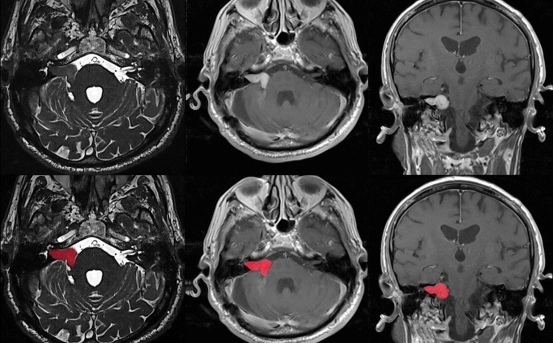
- Brain Tumors :- Brain tumors can obstruct the flow of cerebrospinal fluid, leading to increased intracranial pressure. Both benign and malignant tumors can block CSF pathways, causing hydrocephalus secondary to tumor obstruction. In such cases, VP shunt surgery helps relieve pressure while other treatments, such as tumor removal, chemotherapy, or radiotherapy, are administered.
Patients with brain tumors may experience symptoms like severe headaches, vision changes, seizures, or cognitive disturbances. The VP shunt provides symptomatic relief and prevents complications from increased CSF buildup.
- Intracranial Hemorrhage :- Bleeding in or around the brain, including intraventricular hemorrhage (IVH) or subarachnoid hemorrhage (SAH), can block the normal circulation of CSF. Premature infants are particularly susceptible to IVH, which can lead to post-hemorrhagic hydrocephalus. In adults, trauma, aneurysms, or stroke can trigger similar complications.
VP shunt surgery is often recommended to drain excess CSF and reduce pressure on brain tissues, preventing further neurological deterioration.
- Infections :- Severe brain infections, such as meningitis or ventriculitis, can damage CSF absorption pathways. Inflammatory processes and scarring may block normal CSF flow, leading to hydrocephalus.
Patients with infection-induced hydrocephalus may develop persistent headaches, fever, altered mental status, or neurological deficits. VP shunt placement restores CSF drainage, reducing intracranial pressure and preventing long-term neurological damage.
- Traumatic Brain Injury (TBI) :- Significant head injuries can disrupt CSF circulation or impair absorption. Trauma-related hydrocephalus may not appear immediately but can develop weeks or months after the injury.
Common symptoms include headaches, difficulty walking, cognitive changes, or urinary incontinence. VP shunt surgery provides a permanent solution for fluid management, supporting neurological recovery.
- Congenital Malformations :- Certain congenital conditions can predispose individuals to hydrocephalus, requiring early VP shunt placement. These include
- Spina Bifida: A neural tube defect affecting the spinal cord.
- Chiari Malformations: Structural abnormalities at the base of the brain affecting CSF flow.
- Dandy-Walker Syndrome: A rare brain malformation that enlarges the fourth ventricle.
Early diagnosis and surgical intervention are crucial in these cases to prevent developmental delays and neurological complications.
- Normal Pressure Hydrocephalus (NPH) :- NPH typically affects older adults and is characterized by gradually increasing CSF accumulation with normal or slightly elevated intracranial pressure. Its hallmark symptoms include
- Gait disturbances (difficulty walking)
- Urinary incontinence
- Cognitive decline (memory loss or confusion)
VP shunt surgery is often the preferred treatment for NPH, significantly improving mobility and cognitive function in many patients.
Risk Factors That May Increase the Need for VP Shunt Surgery
While VP shunt surgery addresses various conditions, certain risk factors can increase the likelihood of requiring it
- Premature birth, increasing the risk of intraventricular hemorrhage.
- Head injuries or traumatic brain events.
- Family history of congenital hydrocephalus.
- Brain infections like meningitis.
- Brain tumors or cerebrovascular abnormalities.
Early diagnosis and monitoring are critical for individuals at risk, as timely intervention can prevent permanent neurological damage.
Symptoms Indicating the Need for VP Shunt Surgery
While causes vary, the presence of certain symptoms often signals the need for VP shunt surgery
- Persistent headaches, often worse in the morning.
- Nausea and vomiting without clear cause.
- Vision problems, including blurred or double vision.
- Balance and coordination difficulties.
- Cognitive impairments, including memory loss or confusion.
- Enlarged head in infants or bulging fontanelle.
- Urinary incontinence in adults, especially with gait disturbance.
Recognizing these symptoms early and consulting a neurosurgeon can prevent severe complications.
Conclusion
Ventriculoperitoneal shunt surgery plays a vital role in treating hydrocephalus and related conditions caused by brain tumors, infections, hemorrhages, congenital malformations, traumatic injuries, or normal pressure hydrocephalus. Understanding the causes and risk factors helps patients and caregivers identify early warning signs and seek timely treatment.



