Pelvic organ prolapse (POP) is a condition that affects many women, especially after childbirth or menopause. It occurs when the muscles and tissues supporting the pelvic organs weaken, causing one or more of these organs such as the bladder, uterus, or rectum to drop (prolapse) from their normal position and press against the vaginal wall. While pelvic organ prolapse itself is not life-threatening, it can lead to a variety of complications that significantly affect a woman’s quality of life.
Many women feel embarrassed or hesitant to talk about pelvic organ prolapse due to the intimate nature of the symptoms, which may include a sensation of vaginal pressure, urinary leakage, or difficulty with bowel movements. However, ignoring these symptoms can allow the condition to progress and lead to more serious complications over time. From chronic infections and tissue damage to emotional and psychological distress, the consequences of untreated POP can severely affect a woman’s physical and mental well-being.
Understanding Pelvic Organ Prolapse
Pelvic organ prolapse develops gradually, often due to a combination of factors including pregnancy, childbirth, aging, obesity, chronic coughing, or lifting heavy objects. The pelvic floor muscles and connective tissues act like a hammock to hold the organs in place. When these structures are weakened or damaged, the organs can slip out of their usual position. Depending on which organ is affected, prolapse can be categorized as cystocele (bladder), rectocele (rectum), uterine prolapse (uterus), or enterocele (small bowel).
While many women with POP experience mild symptoms or none at all, others may suffer from discomfort and functional issues. If left untreated, pelvic organ prolapse can lead to various complications that interfere with daily life and overall health.
Complications of Pelvic Organ Prolapse
-
Urinary Complications :- One of the most common complications associated with pelvic organ prolapse is urinary dysfunction. Women with bladder prolapse (cystocele) often experience urinary incontinence, where they involuntarily leak urine during coughing, sneezing, or physical activity. In contrast, some may develop urinary retention, where the bladder does not empty completely, increasing the risk of urinary tract infections (UTIs).
Frequent urination, a constant urge to urinate, or a weak urine stream may also occur. These symptoms can be not only physically bothersome but also socially embarrassing, leading many women to limit their daily activities.
-
Bowel Dysfunction :- Another potential complication of POP involves the rectum. Rectocele, or prolapse of the rectum into the vagina, can cause difficulty with bowel movements. Women may need to strain excessively during defecation or even press on the vaginal wall to help empty the bowels. This condition can lead to chronic constipation and a feeling of incomplete evacuation.
In more severe cases, fecal incontinence or the inability to control bowel movements can develop, which significantly affects emotional well-being and social interaction.
-
Sexual Health and Discomfort :- Pelvic organ prolapse can also impact sexual function. Many women with POP report a loss of sensation, vaginal dryness, or discomfort during intercourse. A visible or palpable bulge in the vaginal area can lead to self-consciousness, reducing sexual desire or intimacy with a partner.
Moreover, prolapse may be accompanied by vaginal bleeding or irritation, especially when the protruding tissues rub against clothing or during intercourse. These symptoms can further decrease sexual satisfaction and contribute to psychological distress.
-
Vaginal Ulcers and Tissue Damage :- As the prolapsed organ descends further into or outside of the vagina, the exposed vaginal tissue may become irritated or ulcerated. Continuous friction against underwear or external surfaces can result in painful sores, infections, or bleeding. These vaginal ulcers may require local treatment or even minor surgery to remove damaged tissue.
In rare but serious cases, if the prolapse is left untreated for a long time, there is a risk of tissue necrosis (tissue death) due to restricted blood supply, requiring more aggressive surgical intervention.
-
Emotional and Psychological Impact :- Although POP is a physical condition, the complications often extend beyond physical symptoms. The chronic discomfort, difficulty in daily activities, and problems related to urinary or sexual health can result in anxiety, depression, and reduced self-esteem.
Many women feel isolated or embarrassed discussing their symptoms, which delays seeking help. Over time, this emotional burden can severely affect personal relationships and mental well-being. Addressing POP early and getting the right support is vital for maintaining both physical and emotional health.
Increased Risk of Recurrent Prolapse Post Surgery
For women who undergo surgical treatment for POP, especially reconstructive surgeries like sacrocolpopexy or vaginal mesh procedures, there is a possibility of recurrence. Some women may develop prolapse in other compartments of the pelvis, requiring additional interventions. Inadequate healing or complications from implanted mesh can also pose risks.
This underscores the importance of choosing a skilled pelvic floor specialist and maintaining post-operative care, including pelvic floor exercises and lifestyle modifications.
Complications from Untreated POP
If left untreated, severe prolapse can lead to complete organ eversion, where an organ, such as the uterus or bladder, protrudes entirely outside the vaginal opening. This condition can be extremely painful and prone to infection. It may also complicate urination and bowel movements to the point of requiring emergency medical care.
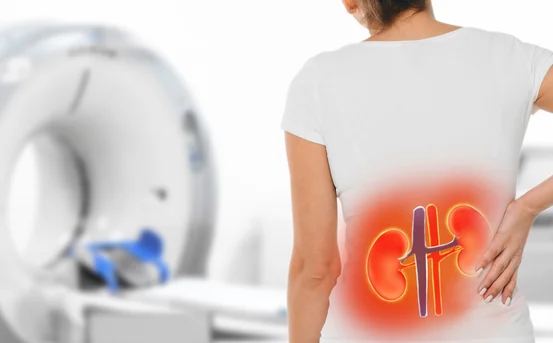
Furthermore, long-term pressure on nearby organs can affect kidney function, especially if urine flow is obstructed. Though rare, such renal complications highlight the need for timely diagnosis and treatment.
Prevention and Management
While some risk factors for pelvic organ prolapse like aging or genetic predisposition cannot be avoided, others can be addressed through lifestyle changes. Regular pelvic floor exercises (Kegels), maintaining a healthy weight, avoiding heavy lifting, and managing constipation can significantly reduce the risk of prolapse or its worsening.
For those already experiencing symptoms, non-surgical options like pessaries (a supportive device inserted into the vagina) and pelvic floor physical therapy can help. In more advanced cases, surgery may be recommended.
Consulting a gynecologist or urogynecologist for a proper assessment is the first step toward effective management and preventing complications.
Conclusion
Pelvic organ prolapse may start as a mild inconvenience but can lead to serious complications if ignored. From urinary and bowel issues to emotional distress and sexual dysfunction, the impact of untreated POP can be far reaching. Recognizing the signs early and seeking appropriate treatment is essential for preserving health and quality of life.