Introduction
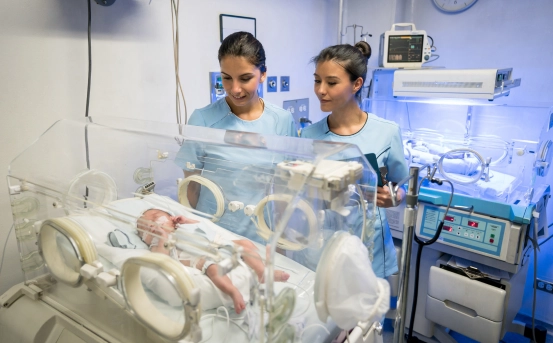
Neonatal care plays a crucial role in safeguarding the health and development of newborns, particularly during the first 28 days of life. Early diagnosis of any potential health issues in neonates can be the difference between a healthy future and life-threatening complications. Advances in neonatal diagnostics have revolutionized how healthcare providers identify, manage, and treat conditions in newborns. This blog explores the importance, methods, and advancements in the diagnosis of neonatal care.
Importance of Early Diagnosis in Neonatal Care
Newborns are highly vulnerable due to their underdeveloped immune systems and organs. Even minor health issues, if left undetected, can escalate into severe complications. Early diagnosis in neonatal care ensures timely intervention, reducing mortality rates and improving long-term developmental outcomes.
Common reasons for neonatal diagnostic testing include
- Premature birth complications – Preterm babies often face respiratory, cardiovascular, or neurological challenges.
- Congenital disorders – Genetic or structural abnormalities can be detected early to provide necessary treatment.
- Infections – Newborns are highly susceptible to bacterial, viral, and fungal infections that can be fatal without prompt care.
- Metabolic disorders – Disorders like phenylketonuria (PKU) or hypothyroidism can be treated effectively if detected early.
The goal of neonatal diagnostics is not just to identify life-threatening conditions but also to ensure optimal growth and development.
Common Diagnosis in Neonatal Care
Neonatal diagnosis combines clinical examination, laboratory testing, and advanced imaging technologies. Each method plays a significant role in identifying health issues in newborns.
- Physical Examination :- A comprehensive physical examination is the first step in neonatal care. Healthcare providers assess
- Heart rate and respiratory function
- Reflexes and muscle tone
- Skin color and temperature
- Signs of jaundice or birth injuries
Even subtle indicators during this assessment can alert clinicians to underlying conditions that require further testing.
- Laboratory Testing :- Laboratory tests are essential for detecting metabolic disorders, infections, and organ dysfunction in neonates. Common tests include
- Blood tests – Measure levels of glucose, bilirubin, electrolytes, and blood gases.
- Newborn screening – Identifies genetic and metabolic disorders such as PKU, congenital hypothyroidism, or cystic fibrosis.
- Infection markers – Tests for sepsis, urinary tract infections, or viral infections.
These tests provide critical information about the newborn’s health and guide treatment strategies.
- Imaging Techniques :- Imaging plays an indispensable role in diagnosing structural abnormalities and organ dysfunction. Common imaging methods include
- Ultrasound – Often used to assess the brain, heart, kidneys, and abdomen.
- X-rays – Evaluate lung development, skeletal integrity, and congenital malformations.
- MRI & CT scans – Used in complex cases to detect neurological or internal organ abnormalities.
Accurate imaging ensures early intervention, minimizing complications in high-risk neonates.
- Genetic and Molecular Testing :- With advancements in genetics, molecular diagnostics have become critical in neonatal care. These tests help identify congenital disorders that may not be immediately evident. Examples include
- Chromosomal analysis – Detects Down syndrome or other genetic anomalies.
- DNA-based testing – Identifies inherited metabolic or immunological disorders.
- Next-generation sequencing – Provides comprehensive insights into rare genetic conditions.
Genetic testing allows families and healthcare providers to plan long-term care strategies tailored to the newborn’s specific needs.
Common Conditions Detected in Neonatal Diagnostics
Early diagnosis enables the identification and management of several critical conditions
- Respiratory distress syndrome – Often seen in premature infants, requiring immediate respiratory support.
- Neonatal jaundice – Excess bilirubin can cause neurological damage if untreated.
- Congenital heart defects – Early detection allows timely surgical or medical intervention.
- Sepsis and infections – Rapid diagnosis prevents life-threatening complications.
- Metabolic disorders – Early intervention prevents developmental delays and long-term complications.
Identifying these conditions early ensures that neonates receive specialized care in a timely manner.
Role of Technology in Neonatal Diagnostics
Technological advancements have greatly enhanced neonatal care. Modern tools and devices facilitate continuous monitoring, early detection, and precise diagnosis. Some key technologies include
- Pulse oximetry – Measures oxygen levels in the blood, crucial for detecting heart and lung problems.
- Non-invasive glucose monitoring – Helps manage hypoglycemia without frequent blood draws.
- Telemedicine – Provides remote expert consultations, improving access to specialized neonatal care.
- Artificial intelligence (AI) and predictive analytics – Aid in risk assessment, early warning signs detection, and personalized care planning.
These technologies not only improve the accuracy of neonatal diagnosis but also reduce stress and discomfort for newborns and their families.
Challenges in Neonatal Diagnostics
Despite advancements, neonatal diagnosis faces several challenges
- Limited blood volume – Newborns can only provide small blood samples, complicating testing.
- Subtle symptoms – Many conditions present with mild or non-specific signs.
- Access to specialized care – Rural or underdeveloped regions often lack neonatal diagnostic facilities.
- Rapid changes in physiology – Neonatal parameters can fluctuate quickly, making real-time monitoring essential.
Addressing these challenges requires a combination of skilled healthcare professionals, advanced technology, and proactive care protocols.
Best Practices for Effective Neonatal Diagnosis
To ensure accurate and timely diagnosis in neonates, healthcare providers follow these best practices:
- Immediate post-birth assessment – Conduct a thorough physical examination within the first hour of birth.
- Routine newborn screening – Ensure all newborns undergo standard metabolic and genetic screenings.
- Regular monitoring in NICU – High-risk infants should receive continuous monitoring and timely lab investigations.
- Family counseling – Inform parents about potential conditions, treatment options, and long-term care strategies.
- Collaborative approach – Neonatologists, pediatricians, nurses, and lab technicians must work together for optimal outcomes.
These practices significantly improve survival rates and long-term developmental outcomes for newborns.
Conclusion
Diagnosis in neonatal care is a cornerstone of modern pediatric healthcare. Early detection of health issues in newborns allows for timely interventions that can prevent complications and promote healthy growth and development. From physical examinations to advanced genetic testing and AI-powered monitoring, neonatal diagnostics continue to evolve, offering hope for improved outcomes worldwide.
Healthcare providers, parents, and policymakers must prioritize neonatal diagnostic services to ensure that every newborn has the best possible start in life. Investing in early detection, specialized care, and continuous monitoring not only saves lives but also builds the foundation for healthier communities.