Introduction
Abscesses are painful, swollen areas in the body filled with pus that result from bacterial infections. While minor abscesses can sometimes be treated with antibiotics or home care, many require surgical intervention to prevent complications. Understanding the diagnosis of abscess surgery is crucial for patients, caregivers, and healthcare professionals to ensure timely and effective treatment.
What is an Abscess?
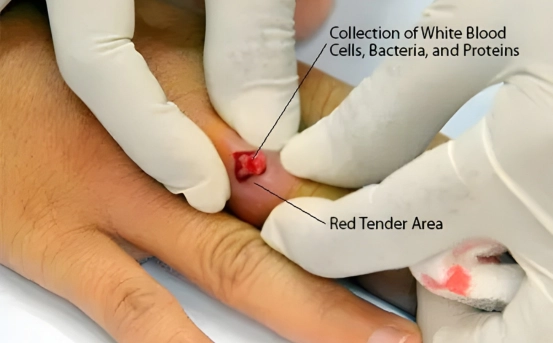
An abscess is a localized collection of pus that can occur in any part of the body, including the skin, internal organs, or teeth. Pus consists of dead white blood cells, bacteria, and tissue debris, which accumulate as the body tries to fight infection. Left untreated, abscesses can spread infection, cause sepsis, or lead to chronic health issues.
Abscesses are generally classified into two types:
- Superficial Abscesses :- These form under the skin and are often visible as red, swollen lumps.
- Deep Abscesses :- These occur in internal organs like the liver, brain, or lungs and may not show external signs immediately.
Signs and Symptoms Indicating Abscess Surgery
Recognizing the signs of an abscess is essential to determine whether surgical intervention is needed. Symptoms may include:
- Localized pain and tenderness :- The area may be extremely sensitive to touch.
- Redness and swelling :- Inflamed skin around the abscess is a common indicator.
- Fever or chills :- Systemic infection may trigger elevated body temperature.
- Pus drainage :- Spontaneous or planned drainage can indicate the abscess has matured.
- Limited movement :- Especially in joint-related abscesses, movement may be restricted.
Prompt diagnosis prevents the infection from worsening and spreading to other areas.
How is an Abscess Diagnosed?
The diagnosis of abscess surgery involves a combination of physical examination, imaging techniques, and laboratory tests. Each step helps the surgeon determine the size, depth, and severity of the abscess, guiding the treatment plan.
- Physical Examination :- A doctor begins by carefully examining the affected area, checking for:
- Swelling and redness
- Heat and tenderness
- Signs of fluctuance (soft, pus-filled center)
Superficial abscesses can often be diagnosed with a physical exam alone.
- Imaging Tests :- For deeper or internal abscesses, imaging tests help locate and assess the abscess accurately. Common imaging techniques include:
- Ultrasound :- Helps identify fluid collection in soft tissues.
- CT Scan (Computed Tomography) :- Provides a detailed 3D view of internal abscesses.
- MRI (Magnetic Resonance Imaging) :- Offers high-resolution images for complex cases.
Imaging is particularly critical for abscesses in organs, where external symptoms may be minimal.
- Laboratory Tests :- Blood tests and microbiological cultures may also be conducted to:
- Identify the causative bacteria
- Check for signs of systemic infection
- Guide antibiotic therapy before or after surgery
These tests help tailor treatment to the patient’s specific condition.
Abscess Surgery: What to Expect
Once the diagnosis is confirmed, surgery may be recommended. The most common procedure is incision and drainage (I&D). Here’s what patients should know:
- Incision :- The surgeon makes a small cut to access the abscess.
- Drainage :- Pus is carefully drained to relieve pressure and remove infection.
- Cleaning :- The cavity is thoroughly cleaned to prevent recurrence.
- Packing or Suturing :- Depending on size, the wound may be packed with sterile gauze or partially sutured.
Surgery is usually performed under local anesthesia for superficial abscesses and general anesthesia for deeper, complex abscesses. Recovery involves wound care, prescribed antibiotics, and follow-up visits to ensure complete healing.
Post-Surgery Care and Prevention
Proper post-operative care is essential to prevent recurrence or complications:
- Keep the wound clean and dry.
- Follow prescribed antibiotic regimen.
- Avoid strenuous activity until healing is complete.
- Attend all follow-up appointments for monitoring.
Prevention strategies include maintaining good hygiene, promptly treating minor infections, and monitoring chronic conditions like diabetes that increase infection risk.
When to Consult a Doctor
Not all abscesses require surgery, but immediate medical attention is crucial if:
- The abscess is large, painful, or rapidly spreading
- Fever, chills, or signs of systemic infection occur
- Home treatments fail to reduce symptoms
- There is underlying chronic illness increasing infection risk
Early diagnosis and surgical intervention can prevent serious health complications and promote faster recovery.
Conclusion
The diagnosis of abscess surgery involves a careful blend of physical examination, imaging, and laboratory testing to identify the size, depth, and severity of the infection. Timely surgical intervention, combined with proper post-operative care, ensures effective treatment and minimizes complications. Understanding the process empowers patients to seek timely care and achieve optimal recovery.