Introduction
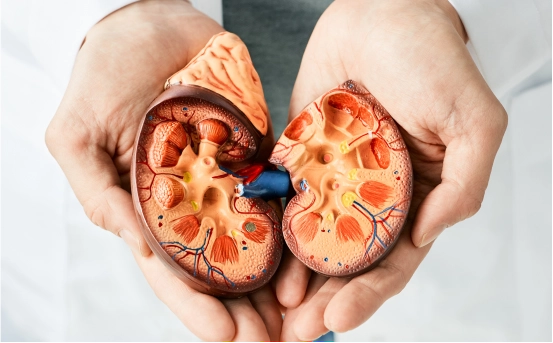
Acute Renal Failure (ARF), also referred to as Acute Kidney Injury (AKI), is a sudden and rapid loss of kidney function, often occurring within hours or days. The kidneys play a critical role in filtering waste products, balancing electrolytes, and maintaining overall fluid balance in the body. When kidney function declines abruptly, it can lead to a dangerous accumulation of waste products and fluid imbalance, which, if left untreated, may result in lifethreatening complications. Accurate and timely diagnosis of ARF is crucial to prevent permanent kidney damage and improve patient outcomes.
Diagnosis of Acute Renal Failure
Before diving into the diagnostic process, it is important to understand what ARF entails. The condition is broadly classified into three main types based on the underlying cause
- Prerenal ARF: This type occurs due to inadequate blood flow to the kidneys. Common causes include severe dehydration, heart failure, or significant blood loss. In prerenal ARF, the kidneys themselves are initially healthy, and restoring proper blood flow can often reverse the condition.
- Intrinsic (or Intrarenal) ARF: This occurs when there is direct damage to the kidneys, such as inflammation, infection, or exposure to toxins and medications. Examples include acute tubular necrosis (ATN), glomerulonephritis, or druginduced nephrotoxicity.
- Postrenal ARF: This type results from obstruction of urine flow. Causes may include kidney stones, tumors, or an enlarged prostate. The obstruction increases pressure within the urinary tract, impairing kidney function.
Understanding the type of ARF is crucial, as it directs the diagnostic approach and subsequent treatment plan.
Clinical Presentation and Initial Assessment
The first step in diagnosing ARF involves a careful assessment of symptoms and medical history. Although some cases may be asymptomatic, common signs and symptoms include
- Reduced urine output (oliguria) or complete absence of urine (anuria)
- Swelling in the legs, ankles, or around the eyes due to fluid retention
- Fatigue or weakness
- Nausea and vomiting
- Confusion or difficulty concentrating
- Shortness of breath in severe cases
In addition to physical symptoms, a detailed medical history is essential. Physicians often inquire about recent illnesses, infections, medication use, exposure to toxins, underlying chronic conditions such as diabetes or hypertension, and recent surgical procedures or hospitalizations. This information can provide vital clues about whether ARF is prerenal, intrinsic, or postrenal in origin.
Laboratory Tests
Laboratory evaluation is central to diagnosing ARF and determining its severity. The following tests are typically performed
- Blood Tests
- Serum Creatinine: A rise in creatinine levels is a hallmark of ARF. Creatinine is a waste product filtered by the kidneys, and elevated levels indicate impaired kidney function.
- Blood Urea Nitrogen (BUN): BUN levels often increase in ARF, especially in prerenal causes. The BUNtocreatinine ratio can help distinguish prerenal from intrinsic renal causes.
- Electrolytes: Imbalances in potassium, sodium, calcium, and phosphate are common in ARF. Hyperkalemia, in particular, is a dangerous complication that requires immediate attention.
- Urine Tests : Urinalysis provides insight into the underlying cause of ARF
- Urine Output Measurement: Monitoring urine volume helps classify ARF as oliguric, nonoliguric, or anuric.
- Urine Microscopy: The presence of red blood cells, white blood cells, or granular casts can indicate specific types of kidney injury, such as glomerulonephritis or acute tubular necrosis.
- Urine Sodium and Creatinine: Calculating the fractional excretion of sodium (FENa) helps distinguish prerenal ARF from intrinsic ARF. Low FENa suggests prerenal causes, while higher values indicate intrinsic renal damage.
- Imaging Studies : Imaging is particularly useful for detecting postrenal causes of ARF. Common imaging modalities include
- Ultrasound: This is the preferred initial imaging study. It can detect kidney enlargement, obstruction, or hydronephrosis.
- CT Scan or MRI: These are used in cases where ultrasound results are inconclusive or when a more detailed anatomical assessment is required.
- Kidney Biopsy : In certain cases, especially when intrinsic ARF is suspected and the diagnosis is unclear, a kidney biopsy may be performed. This procedure involves obtaining a small sample of kidney tissue for microscopic examination, which can reveal the exact nature of kidney injury, such as inflammation, necrosis, or glomerular disease.
Staging and Classification
To assess the severity of ARF, clinicians often use staging systems, such as the KDIGO (Kidney Disease: Improving Global Outcomes) criteria, which classify ARF based on changes in serum creatinine and urine output
- Stage 1: Mild increase in serum creatinine or reduced urine output
- Stage 2: Moderate increase in serum creatinine or reduced urine output
- Stage 3: Severe increase in serum creatinine, anuria, or requirement for dialysis
Staging helps guide treatment decisions and provides prognostic information regarding recovery and risk of complications.
Differential Diagnosis
Diagnosing ARF involves ruling out other conditions that can mimic its symptoms, such as
- Chronic kidney disease (CKD)
- Urinary tract infections
- Heart failure or liver disease leading to fluid retention
- Dehydration or hypovolemia
A thorough evaluation ensures that the patient receives appropriate and timely treatment, reducing the risk of progression to chronic kidney damage or the need for longterm dialysis.
Emerging Diagnostic Tools
Advances in medical research have led to the development of novel biomarkers and diagnostic methods for ARF. Examples include
- Neutrophil GelatinaseAssociated Lipocalin (NGAL): A protein that rises in the blood and urine shortly after kidney injury, potentially enabling earlier detection than traditional markers like creatinine.
- Kidney Injury Molecule1 (KIM1): Elevated in urine following tubular injury, helping identify intrinsic ARF at an early stage.
- Cystatin C: Another marker of kidney function that may provide a more sensitive assessment than creatinine in certain populations.
These tools are still under evaluation but show promise in improving early detection and risk stratification of ARF.
Conclusion
The diagnosis of Acute Renal Failure requires a comprehensive and systematic approach. Clinicians rely on a combination of patient history, physical examination, laboratory tests, imaging studies, and sometimes kidney biopsy to determine the type, severity, and underlying cause of ARF. Early diagnosis is vital to initiate timely treatment, prevent complications, and enhance recovery of kidney function.
Patients presenting with symptoms such as reduced urine output, fluid retention, fatigue, or unexplained electrolyte imbalances should seek immediate medical attention. Advances in diagnostic tools, including novel biomarkers, promise to improve early detection and treatment outcomes, ultimately reducing the burden of this potentially lifethreatening condition.
Timely recognition, accurate diagnosis, and prompt intervention remain the cornerstones of effective management of Acute Renal Failure. Awareness of ARF’s signs, causes, and diagnostic methods can empower both healthcare professionals and patients to act swiftly, safeguarding kidney health and overall wellbeing.