Introduction
Adhesiolysis surgery is a crucial procedure designed to treat adhesions, which are bands of scar tissue that abnormally connect organs or tissues. These adhesions often form after abdominal or pelvic surgery, trauma, or infections, leading to chronic pain, bowel obstruction, and infertility. Early diagnosis and precise evaluation are essential for determining whether adhesiolysis surgery is necessary and for planning the surgical approach. In this article, we explore the diagnosis of adhesiolysis surgery, including indications, diagnostic tools, preoperative assessments, and modern techniques that ensure patient safety and better outcomes.
What is Adhesiolysis Surgery?
Adhesiolysis surgery involves the careful dissection and removal of adhesions. Adhesions can develop anywhere in the body but are most commonly found in the abdomen or pelvis following surgery or inflammatory conditions. While some adhesions may be asymptomatic, others cause significant discomfort or complications, such as bowel obstruction or infertility in women.
The main goal of adhesiolysis is to restore normal anatomy and function while minimizing the risk of new adhesions. The procedure can be performed via laparoscopic (minimally invasive) or open surgery, depending on the complexity and location of the adhesions.
Common Indications for Adhesiolysis Surgery
Before considering adhesiolysis, a thorough evaluation is required to determine if the patient will benefit from the procedure. The most common indications include
- Chronic Abdominal or Pelvic Pain: Persistent pain that affects daily activities and does not respond to conservative treatments.
- Bowel Obstruction: Adhesions are the leading cause of small bowel obstruction in adults, requiring surgical intervention.
- Infertility in Women: Pelvic adhesions, especially around the fallopian tubes or ovaries, can prevent conception.
- Complications from Previous Surgery: Patients who experience recurrent postoperative complications may require adhesiolysis.
- Adhesions Detected Incidentally: Some adhesions are discovered during surgery for other conditions and may be addressed if they pose risks.
Diagnostic of Adhesiolysis Surgery
Diagnosis begins with a detailed medical history and physical examination, but imaging and diagnostic procedures are often required to confirm the presence and severity of adhesions.
- Medical History and Physical Examination :- The first step involves understanding the patient’s symptoms, previous surgeries, and history of infections or inflammatory conditions. A physical exam may reveal tenderness, abdominal distension, or palpable masses, which can suggest the presence of adhesions.
- Imaging Studies :- While adhesions are not always visible on standard imaging, certain techniques can provide valuable information
- Ultrasound: Helps detect fluid collections or organ displacement caused by adhesions.
- CT Scan (Computed Tomography): Useful in identifying complications like bowel obstruction or abnormal organ positioning.
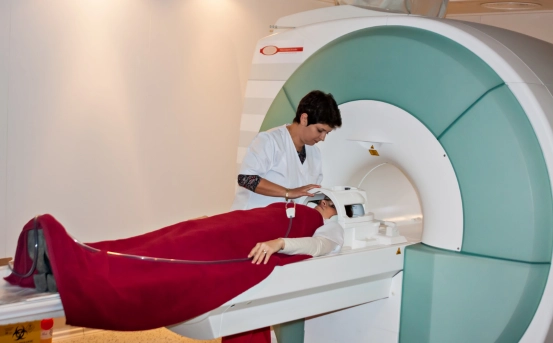
- MRI (Magnetic Resonance Imaging): Provides detailed soft tissue imaging, which is helpful in complex cases.
- Barium Studies: A barium swallow or enema can show the obstruction pattern in the intestines caused by adhesions.
- Diagnostic Laparoscopy :- Considered the gold standard for diagnosing adhesions, diagnostic laparoscopy allows direct visualization of the abdominal or pelvic cavity. This minimally invasive approach not only confirms the presence of adhesions but can also guide therapeutic adhesiolysis during the same procedure.
Preoperative Assessment for Adhesiolysis Surgery
Before undergoing adhesiolysis surgery, patients require comprehensive preoperative evaluation to ensure safety and reduce complications. Key steps include
- Laboratory Tests: Complete blood count, electrolytes, kidney and liver function tests to assess overall health.
- Cardiopulmonary Assessment: For patients with comorbidities, cardiac and respiratory evaluations are necessary to minimize anesthesia-related risks.
- Bowel Preparation: In cases involving bowel surgery, appropriate bowel preparation is essential to prevent postoperative infection.
- Informed Consent: Patients must understand the risks, benefits, and alternatives, including the potential for recurrence of adhesions.
Modern Techniques in Adhesiolysis Surgery
Advances in surgical technology have improved outcomes in adhesiolysis surgery
- Laparoscopic Adhesiolysis: Minimally invasive with smaller incisions, reduced pain, faster recovery, and lower risk of new adhesions compared to open surgery.
- Robotic-Assisted Surgery: Offers enhanced precision, especially for complex pelvic adhesions.
- Use of Adhesion Barriers: Special films or gels can be applied during surgery to reduce the likelihood of adhesion reformation.
- Enhanced Recovery Protocols: Multimodal pain management and early mobilization reduce postoperative complications and improve patient recovery.
Risks and Complications
Although adhesiolysis surgery is generally safe, potential risks include
- Injury to surrounding organs (bowel, bladder, or blood vessels)
- Bleeding or infection
- Recurrence of adhesions
- Anesthesia-related complications
A thorough diagnostic workup and careful surgical planning are crucial to minimizing these risks.
Postoperative Care and Follow-Up
After adhesiolysis surgery, close follow-up is essential to monitor recovery and prevent complications
- Early Mobilization: Helps reduce the risk of new adhesions and promotes bowel function.
- Dietary Adjustments: Gradual reintroduction of food, especially if bowel involvement was present.
- Pain Management: Appropriate analgesia ensures comfort and facilitates recovery.
- Monitoring for Complications: Any signs of obstruction, infection, or excessive pain should be promptly evaluated.
Conclusion
The diagnosis of adhesiolysis surgery is a multi-step process involving clinical evaluation, imaging studies, and often diagnostic laparoscopy. Early and accurate diagnosis is crucial for determining the need for surgery, planning the approach, and improving patient outcomes. Advances in laparoscopic and robotic-assisted surgery, along with adhesion prevention strategies, have significantly improved the safety and effectiveness of adhesiolysis procedures.