Introduction
Diagnosis of autoimmune disease often involves a combination of blood tests, symptom review, and imaging studies to detect immune system dysfunction. Accurate diagnosis of autoimmune disease is essential for early treatment and preventing long-term organ or tissue damage. Have you ever felt like your body is trying to tell you something—but no one is truly listening? You’re exhausted, in pain, or dealing with strange symptoms that just don’t make sense. And when you go to the doctor, your tests come back “normal.” It can feel frustrating, even isolating.
If that sounds familiar, an autoimmune disease might be behind your symptoms. And while the road to diagnosis can be complex, knowing what tests are involved and what doctors are looking for can help you advocate for your health and feel empowered in the process.
-
Understanding the Nature of Autoimmune Diseases :-
Autoimmune diseases occur when the immune system, which usually protects your body from harmful invaders, mistakenly attacks your own tissues. This can lead to inflammation, pain, and damage to organs such as the skin, joints, thyroid, gut, or brain.
There are over 80 known autoimmune diseases, and they can mimic one another or present with vague, overlapping symptoms. That’s why diagnosis is rarely straightforward.
Some of the most common autoimmune diseases include:
- Rheumatoid arthritis
- Lupus (SLE)
- Hashimoto’s thyroiditis
- Graves’ disease
- Celiac disease
- Multiple sclerosis
- Psoriasis
Every person’s journey is unique—and so is their diagnosis.
-
When to Suspect an Autoimmune Disease :-
Autoimmune diseases often begin subtly and progress over time. Recognizing the early signs and symptoms is critical. These may include:
- Persistent fatigue
- Muscle or joint pain
- Hair loss
- Digestive problems
- Skin rashes
- Brain fog or memory issues
- Recurring fevers or infections
- Numbness or tingling in the limbs
If you’ve been told your symptoms are “all in your head,” don’t give up. These clues matter, and a good doctor will take them seriously.
-
Starting With a Detailed Medical History :-
A correct diagnosis starts with listening to your story. Your doctor will ask detailed questions about:
- Your symptoms and when they started
- Their severity and frequency
- Family history of autoimmune diseases
- Any recent infections, stress, or environmental exposures
- Dietary habits and lifestyle
This step may seem simple, but it’s one of the most important parts of the diagnostic process. Autoimmune diseases tend to run in families, and they often have triggers—like stress, infections, or hormonal shifts—that a good medical history can uncover.
-
Physical Examination :-
Your doctor will then perform a physical exam, checking for:
- Swollen or tender joints
- Skin rashes or lesions
- Abnormal reflexes or muscle weakness
- Thyroid gland size
- Temperature and vital signs
Even subtle physical clues—like a butterfly-shaped rash on the face or enlarged lymph nodes—can point toward an autoimmune condition like lupus or rheumatoid arthritis.
This exam may seem routine, but it often offers valuable clues to narrow down the possible conditions.
-
Blood Tests :-
Blood work plays a major role in autoimmune diagnosis. It can help detect inflammation, identify specific autoantibodies, and assess how your organs are functioning.
Here are the most commonly ordered tests:
- ANA (Antinuclear Antibody Test) :- The ANA test checks for antibodies that attack the nucleus of your body’s cells. A positive result may suggest lupus, Sjögren’s syndrome, or another autoimmune disorder.However, many healthy people can also have a weakly positive ANA, so context is key.
- ESR and CRP (Inflammatory Markers) :- These tests measure the level of inflammation in the body. ESR (Erythrocyte Sedimentation Rate) Indicates general inflammation over time. CRP (C-reactive Protein) Indicates active or recent inflammation. While they don’t confirm a diagnosis, high levels often support the presence of an autoimmune disease.
- Rheumatoid Factor (RF) and Anti-CCP :- These are specific markers used to diagnose rheumatoid arthritis. RF is found in many people with RA but can also show up in other conditions. Anti-CCP is more specific and often appears early in RA. A combination of both makes the diagnosis much more likely.
- Thyroid Antibodies :- These help diagnose autoimmune thyroid conditions like Hashimoto’s thyroiditis (TPO and Tg antibodies), Graves’ disease (TSI and TRAb antibodies). If you have fatigue, weight changes, hair loss, or cold sensitivity, your doctor may order these tests.
- Tissue-Specific AntibodiesSome autoimmune diseases produce antibodies that attack specific tissues. These include:
- Anti-tTG and EMA for celiac disease
- Anti-dsDNA for lupus
- Anti-Smith for systemic lupus erythematosus
- Anti-GBM for autoimmune kidney disease
These tests help narrow down the exact condition and guide further treatment.
-
Imaging Tests :-
If joint pain or organ damage is suspected, your doctor may order imaging studies, such as:
- X-rays or MRIs: To check for joint erosion in rheumatoid arthritis
- Ultrasounds: To assess the thyroid gland or detect inflammation
- CT or MRI brain scans: For conditions like multiple sclerosis
These tests don’t confirm autoimmune disease on their own but support the diagnosis by showing structural or functional damage.
-
Biopsies – A Closer Look at Tissue :-
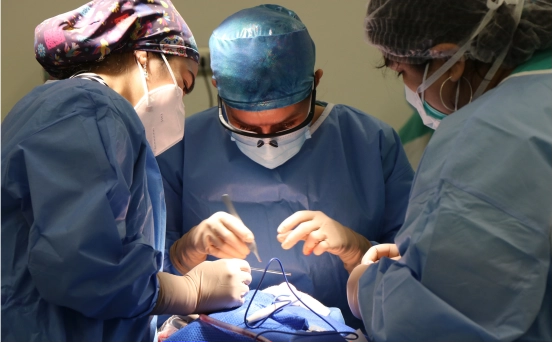
In some cases, a tissue biopsy may be needed to confirm autoimmune damage. Common examples include:
- Skin biopsy :- For lupus, psoriasis, or dermatomyositis
- Intestinal biopsy :- For celiac disease (to check for villous atrophy)
- Kidney biopsy :- For lupus nephritis
This step is more invasive but offers a definitive view of what’s happening at the cellular level.
-
Elimination and Confirmation :-
Autoimmune diseases often mimic other conditions, such as infections, hormone disorders, or even cancers. That’s why your doctor will rule out other possibilities first.
This step requires patience. Sometimes, a diagnosis is made only after tracking symptoms over time and observing patterns.
-
Working With the Right Specialist :-
Depending on your symptoms, your primary doctor may refer you to a specialist, such as:
- Rheumatologist :- It is for joint and systemic autoimmune diseases
- Endocrinologist :- It is for thyroid and hormonal autoimmune conditions
- Neurologist :- It is for nervous system disorders like multiple sclerosis
- Gastroenterologist :- It is for autoimmune gut conditions like Crohn’s or celiac disease
Getting the right expert involved is crucial for accurate diagnosis and targeted treatment.
-
A Diagnosis Is Just the Beginning – But It’s Empowering :-
Getting a diagnosis can be life-changing—not just because it gives your symptoms a name, but because it validates your experience. It opens the door to treatment, lifestyle changes, and healing.
Even though autoimmune diseases are chronic, many are manageable with the right care, nutrition, and support. And the sooner you’re diagnosed, the better your chances of controlling inflammation and protecting your health long term.
Conclusion
If you feel like something’s wrong—you’re probably right. Autoimmune diseases are often invisible to the eye but very real to the people living with them. Don’t let “normal” test results silence your inner voice.