Introduction
Bartholin glands, located on either side of the vaginal opening, are responsible for secreting fluid that lubricates the vagina. Sometimes, these glands can develop cysts due to blockage of the Bartholin’s duct, leading to discomfort, swelling, or infection. When conservative treatments like warm compresses or antibiotics are ineffective, Bartholin’s duct cyst surgery may be recommended. Early diagnosis of bartholin duct cyst surgery is crucial for effective management and prevention of recurrent complications.
Understanding Bartholin Duct Cysts
A Bartholin duct cyst forms when the duct of the Bartholin gland becomes obstructed, causing fluid accumulation. While some cysts remain small and painless, others can grow larger, become tender, or develop into abscesses if infected. Common symptoms include
- A painless or mildly tender lump near the vaginal opening
- Swelling on one side of the vulva
- Discomfort during sitting, walking, or sexual activity
- Redness or signs of infection if the cyst becomes an abscess
Prompt diagnosis ensures that patients receive the right treatment, reducing the risk of infection or chronic recurrence.
How Bartholin Duct Cysts Are Diagnosed
- Clinical Examination :- The first step in diagnosing a Bartholin’s duct cyst is a thorough gynecological examination. During the physical exam, a healthcare provider evaluates the size, location, and consistency of the lump. They may gently palpate the cyst to check for tenderness, fluctuation, or signs of infection.
- Medical History Review :- Your doctor will ask about your medical history, including
- Past occurrences of vulvar cysts or infections
- History of sexually transmitted infections (STIs)
- Symptoms such as pain, discharge, or fever
- Any previous surgeries in the vulvar region
This helps distinguish a Bartholin’s cyst from other vulvar masses, including lipomas, abscesses, or tumors.
- Imaging Tests :- Although most Bartholin’s cysts are diagnosed clinically, imaging may be recommended in certain cases:
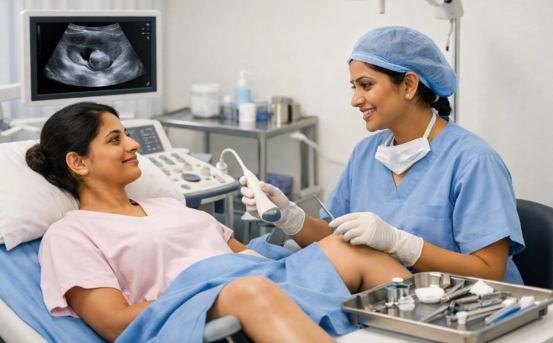
- Ultrasound: Useful for evaluating cyst size and ruling out abscesses or other vulvar masses.
- MRI or CT scan: Rarely needed, only if the cyst appears unusually large or the diagnosis is uncertain. Imaging ensures accurate diagnosis, especially in recurrent or complicated cases.
- Laboratory Tests :- If infection is suspected, a sample of the cyst fluid may be sent for culture and sensitivity testing to identify bacteria. Additionally, screening for STIs like gonorrhea or chlamydia is often recommended, particularly in sexually active women.
When Surgery Is Necessary
Most small, asymptomatic Bartholin’s cysts do not require surgical intervention. However, surgery may be advised in the following situations
- Persistent or recurrent cysts causing discomfort
- Large cysts affecting daily activities or sexual function
- Infected cysts (Bartholin’s abscesses) not responding to antibiotics or drainage
- Suspicion of malignancy in postmenopausal women
Early surgical intervention can relieve symptoms and reduce the likelihood of recurrence.
Types of Bartholin Duct Cyst Surgery
Several surgical options are available depending on the size, location, and recurrence of the cyst
- Marsupialization – This is the most common procedure, where the cyst is drained, and the edges of the cyst wall are stitched to create a permanent opening for fluid drainage.
- Excision – Complete removal of the gland and cyst, typically recommended for recurrent or complicated cysts.
- Word Catheter Placement – A small tube is inserted into the cyst to keep the duct open for several weeks, allowing natural drainage and healing.
Your gynecologist will recommend the most suitable surgical approach based on your condition and overall health.
Recovery and Postoperative Care
After Bartholin’s duct cyst surgery, proper care is essential to ensure healing and prevent recurrence. Key aspects include
- Taking prescribed antibiotics to prevent infection
- Maintaining proper hygiene of the vulvar area
- Using sitz baths to relieve pain and promote healing
- Avoiding sexual intercourse until cleared by the doctor
Most women resume normal activities within a few days, with complete healing in 2–4 weeks. Regular follow-ups help monitor recovery and detect any signs of recurrence early.
Prevention and Monitoring
While not all Bartholin’s cysts can be prevented, steps to reduce risk include
- Practicing safe sex to minimize the risk of STIs
- Maintaining good vulvar hygiene
- Seeking prompt medical attention for recurrent lumps or infections
Regular gynecological check-ups can aid in early diagnosis, making management more effective and reducing the need for extensive surgery.
Conclusion
Diagnosis of Bartholin’s duct cyst surgery begins with careful clinical evaluation, supported by imaging and laboratory tests when necessary. Early diagnosis ensures timely treatment, reduces complications, and improves overall outcomes. If you experience vulvar swelling, pain, or recurrent cysts, consult a gynecologist promptly to explore treatment options, including minimally invasive surgical procedures.