Introduction
Body contouring surgery is a specialized cosmetic and reconstructive procedure designed to reshape and improve the appearance of the body after significant weight loss, pregnancy, aging, or genetic factors. While the surgery itself focuses on removing excess fat and skin, the diagnosis phase is the most critical step in ensuring safe, effective, and satisfactory outcomes. Proper diagnosis helps surgeons determine candidacy, select the right procedure, and minimize risks.
Understanding Body Contouring Surgery
Body contouring surgery includes procedures such as liposuction, tummy tuck (abdominoplasty), body lift, arm lift, thigh lift, and breast reshaping. These procedures are not weight-loss treatments but are intended to refine body shape after weight stabilization. Diagnosis ensures that the patient’s concerns are addressed realistically and medically.
Importance of Diagnosis in Body Contouring
Diagnosis plays a vital role in planning body contouring surgery. Every individual’s body structure, skin quality, fat distribution, and medical history are unique. A detailed diagnostic evaluation allows surgeons to
- Assess overall health and surgical readiness
- Identify problem areas requiring correction
- Determine the most suitable body contouring technique
- Predict achievable outcomes
- Reduce surgical complications
Without proper diagnosis, even advanced surgical techniques may not deliver optimal results.
Initial Patient Consultation
The diagnostic process begins with an in-depth consultation. During this stage, the surgeon listens to the patient’s aesthetic goals, concerns, and expectations. Patients are encouraged to openly discuss problem areas, previous weight changes, and lifestyle habits. The surgeon evaluates whether the patient’s expectations are realistic and explains possible outcomes. This mutual understanding forms the foundation of a successful body contouring journey.
Medical History Evaluation
A comprehensive review of medical history is a core part of diagnosis. The surgeon assesses
- Chronic conditions such as diabetes, hypertension, or heart disease
- Previous surgeries and healing patterns
- Medications, supplements, and allergies
- Smoking or alcohol consumption
- Hormonal or metabolic disorders
Patients with uncontrolled medical conditions may be advised to stabilize their health before undergoing body contouring surgery.
Physical Examination and Body Assessment
Physical examination allows the surgeon to assess body proportions, fat deposits, muscle tone, and skin elasticity. Key diagnostic factors include
- Amount and location of excess fat
- Degree of loose or sagging skin
- Muscle separation (especially after pregnancy)
- Symmetry and contour irregularities
Skin quality is particularly important. Patients with good skin elasticity may benefit from liposuction alone, while those with excess skin often require surgical excision.
Body Mass Index and Weight Stability
Body Mass Index (BMI) is commonly evaluated during diagnosis. Ideal candidates usually have a stable weight and a BMI within a safe range. Significant weight fluctuations can negatively affect surgical results. Patients are often advised to maintain a stable weight for at least 6 to 12 months before body contouring surgery, especially after massive weight loss or bariatric surgery.
Diagnostic Imaging and Measurements
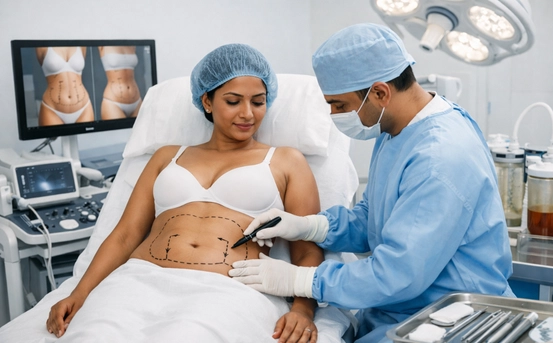
In some cases, diagnostic tools such as medical photography, body measurements, or imaging techniques are used. These help in
- Documenting pre-surgical appearance
- Planning incision placement
- Visualizing expected outcomes
- Tracking post-surgical progress
Advanced clinics may use 3D imaging to help patients understand potential results and surgical planning.
Psychological and Emotional Assessment
Diagnosis also includes evaluating the patient’s emotional readiness. Body contouring surgery can significantly impact self-image and confidence. Surgeons assess
- Motivation for surgery
- Emotional stability
- Body image expectations
- Understanding of limitations and recovery
Patients seeking surgery due to external pressure or unrealistic ideals may require further counseling before proceeding.
Identifying the Right Procedure
Based on diagnostic findings, the surgeon determines the most appropriate procedure or combination of procedures. Common diagnostic outcomes include
- Liposuction for localized fat with good skin tone
- Tummy tuck for excess abdominal skin and muscle separation
- Body lift for extensive skin laxity after massive weight loss
- Arm or thigh lift for sagging limbs
- Combination procedures for comprehensive contouring
Diagnosis ensures that procedures are tailored to the patient’s anatomy and goals.
Risk Assessment and Safety Planning
An essential part of diagnosis is evaluating surgical risk. Factors such as age, medical conditions, smoking habits, and procedure duration are carefully considered. Pre-operative tests may include
- Blood investigations
- ECG or chest X-ray
- Anesthesia clearance
This step ensures patient safety and reduces post-operative complications.
Pre-Surgical Counseling and Education
Once diagnosis is complete, patients receive detailed counseling. This includes information about
- Surgical technique and incisions
- Expected results and limitations
- Recovery timeline and downtime
- Possible risks and complications
- Post-operative care and follow-ups
Clear education helps patients make informed decisions and prepares them mentally and physically for surgery.
Conclusion
The diagnosis of body contouring surgery is a comprehensive, multi-step process that goes beyond physical appearance. It evaluates medical fitness, body structure, emotional readiness, and realistic expectations. Accurate diagnosis allows surgeons to design personalized treatment plans, enhance safety, and achieve natural-looking, long-lasting results.
For anyone considering body contouring surgery, choosing an experienced surgical team and undergoing a thorough diagnostic evaluation is the key to a successful transformation. A well-planned diagnosis not only improves aesthetic outcomes but also ensures patient confidence, comfort, and overall satisfaction throughout the journey.