Introduction
Continuous Ambulatory Peritoneal Dialysis (CAPD) has emerged as a vital treatment option for patients suffering from chronic kidney disease (CKD). It allows for dialysis at home, offering more flexibility compared to hemodialysis. However, the success of CAPD largely depends on the proper placement and function of the CAPD catheter. Accurate diagnosis and assessment before and after catheter insertion are critical to ensure effective treatment and minimize complications.
Understanding CAPD and the Role of the Catheter
CAPD involves the introduction of a dialysis solution into the peritoneal cavity through a catheter. The peritoneum acts as a natural filter, removing waste products and excess fluid from the blood. The CAPD catheter serves as the lifeline for this process.
Proper catheter placement is essential for:
- Ensuring effective dialysis fluid inflow and outflow.
- Preventing infections such as peritonitis.
- Reducing mechanical complications, like catheter migration or blockage.
Diagnosis in the context of CAPD catheter insertion refers not only to identifying the need for CAPD but also to evaluating the catheter’s position, function, and potential complications.
Diagnosis of CAPD Catheter Insertion
Before inserting a CAPD catheter, a thorough patient evaluation is necessary. This includes:
- Medical History and Physical Examination:
- Reviewing prior abdominal surgeries, infections, or hernias that might affect catheter placement.
- Evaluating nutritional status and comorbidities such as diabetes, cardiovascular diseases, or obesity.
- Laboratory Investigations:
- Blood Tests: Assess kidney function using serum creatinine, blood urea nitrogen (BUN), and electrolyte levels.
- Infection Markers: Check white blood cell counts and inflammatory markers to rule out active infections.
- Imaging Studies:
- Ultrasound: Helps identify peritoneal cavity abnormalities, such as adhesions or fluid collections.
- X-Ray or CT Scan: May be indicated in complicated cases to plan optimal catheter placement.
- Peritoneal Function Tests:
- Peritoneal Equilibration Test (PET): Determines the peritoneal membrane’s transport characteristics, which guide dialysis prescription.
Proper pre-insertion diagnosis helps predict potential complications and tailor catheter insertion techniques accordingly.
CAPD Catheter Insertion Techniques
There are several techniques for CAPD catheter insertion, each requiring proper assessment to ensure correct placement:
- Surgical (Open) Technique:
- Traditional method, performed under local or general anesthesia.
- Direct visualization ensures precise placement in the lower abdomen.
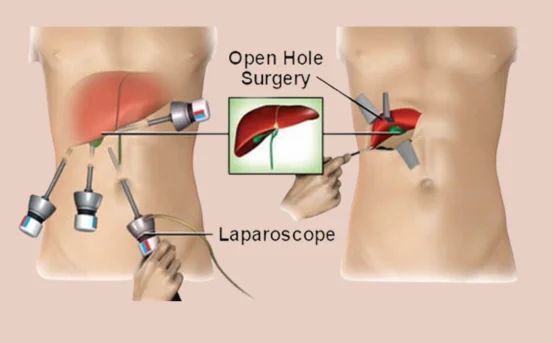
- Laparoscopic Technique:
- Minimally invasive, using small incisions and a camera to guide placement.
- Allows simultaneous adhesiolysis if needed.
- Percutaneous (Blind) Technique:
- Insertion using a trocar without direct visualization.
- Requires careful patient selection and imaging guidance in some cases.
Diagnosis during insertion is crucial. Surgeons often use fluoroscopy or contrast studies to confirm correct catheter placement and check for any immediate complications.
Post-Insertion Diagnosis and Assessment
After CAPD catheter insertion, ongoing assessment is vital to confirm catheter function and identify complications early.
- Immediate Post-Insertion Assessment:
- Catheter Flow Test: Measures inflow and outflow rates to ensure patency.
- Imaging:
- Plain Abdominal X-Ray: Confirms proper catheter position in the pelvis.
- Contrast Studies: Helps evaluate any leaks or obstruction.
- Early Complications to Diagnose:
- Peritonitis: Infection in the peritoneal cavity, diagnosed through cloudy dialysate, fever, and abdominal pain.
- Catheter Malposition: Catheter tip may migrate, causing poor drainage. Diagnosed via imaging.
- Bleeding or Hematoma: Mild bleeding is common, but persistent or severe bleeding warrants investigation.
- Long-Term Monitoring:
- Regular clinical assessments, including monitoring of dialysis adequacy, ultrafiltration, and peritoneal membrane function.
- Periodic imaging may be indicated if flow issues or infections arise.
Diagnostic Tools and Techniques
Accurate diagnosis involves a combination of clinical, laboratory, and imaging assessments:
- Clinical Evaluation:
- Monitor for pain, swelling, fever, or changes in dialysis fluid appearance.
- Laboratory Tests:
- Dialysate Cell Count and Culture: Detects peritonitis.
- Routine Blood Work: Tracks renal function and electrolyte balance.
- Imaging Modalities:
- Ultrasound: Evaluates fluid collections, catheter location, and abdominal wall abnormalities.
- Plain X-Ray: Confirms catheter tip position.
- CT Scan or Fluoroscopy: Used in complex cases with suspected obstruction or migration.
- Functional Tests:
- Dialysate Flow Measurement: Detects partial obstructions.
- Peritoneal Equilibration Test (PET): Monitors peritoneal membrane transport over time.
Common Complications and Diagnostic Strategies
Even with proper insertion, complications can occur, necessitating timely diagnosis:
- Infections:
- Exit-Site Infection: Redness, tenderness, and discharge around the catheter exit site. Diagnosed clinically and with cultures.
- Tunnel Infection: Infection along the subcutaneous catheter tunnel. Requires imaging or ultrasound.
- Mechanical Issues:
- Catheter Migration or Obstruction: Diagnosed using X-ray, fluoroscopy, or contrast studies.
- Hernias or Leaks: Abdominal wall defects or fluid leakage detected through physical examination and imaging.
- Peritoneal Membrane Dysfunction:
- PET and ultrafiltration tests help detect changes in peritoneal transport over time.
Early diagnosis of these complications can prevent treatment failure and reduce morbidity.
Best Practices for Effective Diagnosis
- Conduct pre-insertion evaluation to identify risks and optimize catheter placement.
- Use imaging guidance during insertion when needed.
- Monitor catheter function immediately after insertion with flow tests and imaging.
- Maintain regular follow-up to detect infections or mechanical complications early.
- Educate patients on self-monitoring for signs of infection or poor drainage.
Conclusion
CAPD catheter insertion is a cornerstone of peritoneal dialysis therapy, and proper diagnosis at every stage from pre-insertion evaluation to post-insertion monitoring—is essential for successful outcomes. Timely identification of complications ensures patient safety, improves dialysis efficiency, and enhances the quality of life for patients with chronic kidney disease. By combining thorough clinical assessment, advanced imaging, and functional testing, healthcare providers can optimize CAPD therapy and provide patients with reliable home-based dialysis options.