Introduction
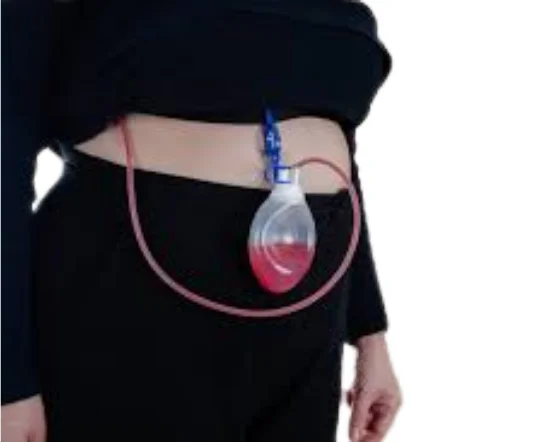
Gastric Balloon, also called intragastric balloon (IGB) placement, is a popular, minimally invasive weight-loss procedure designed for individuals struggling with obesity and looking for a non-surgical solution. Before the actual placement of a gastric balloon, a thorough diagnostic and evaluation process is essential. Proper diagnosis of gastric balloon ensures patient safety, confirms eligibility, and minimizes risks during and after the procedure.
What Is Gastric Balloon?
Gastric Balloon involves placing a soft, expandable balloon inside the stomach to restrict space and help individuals feel full faster. Since it does not involve surgery, it has become a widely preferred weight-management option. However, to ensure the patient is fit for the procedure, a thorough diagnostic protocol must be followed.
Why Is Diagnosis Important Before Gastric Balloon Placement?
Diagnosis and pre-procedure screening help doctors
- Assess a patient’s overall suitability for the gastric balloon.
- Identify any underlying gastrointestinal issues.
- Reduce risks such as ulceration, perforation, or intolerance to the balloon.
- Personalize weight-loss plans based on health markers.
- Improve long-term outcomes and patient satisfaction.
Without proper evaluation, patients may experience complications or may not achieve expected results.
Diagnosis of Gastric Balloon
- Comprehensive Medical History Review :- The first step in diagnosing eligibility for gastric Balloon is a complete medical history assessment. During this stage, the doctor evaluates
- Past medical conditions (e.g., GERD, gastritis, ulcers, diabetes)
- Previous bariatric or abdominal surgeries
- Chronic medications (especially blood thinners or NSAIDs)
- Alcohol or smoking habits
- Allergies
- History of gastrointestinal disorders
A detailed history helps identify red flags that may contraindicate gastric balloon placement.
- Physical Examination :- A complete physical exam is conducted to assess BMI, abdominal health, and other vital parameters. Patients typically must have
- BMI between 27 and 40 kg/m², depending on the specific balloon system
- No active gastrointestinal or systemic illness
- No conditions that may affect tolerance to the balloon
A physical exam serves as the foundation for further diagnostic tests.
- Laboratory Tests for Gastric Balloon Evaluation :- Multiple lab tests are performed to understand internal health and to ensure safe balloon insertion. Common tests include
- Complete Blood Count (CBC) :- Checks for anemia, infection, and inflammation.
Abnormal blood levels may indicate underlying issues requiring treatment before balloon placement. - Liver Function Tests (LFT) :- Since metabolism plays a role in weight-loss outcomes, doctors assess liver health, especially for fatty liver disease or cirrhosis.
- Kidney Function Tests (KFT) :- Ensures that waste filtration is functioning well before undergoing sedation or endoscopy.
- Blood Glucose & HbA1c :- Evaluates diabetes status. Poorly controlled diabetes may need stabilization before balloon placement.
- Thyroid Profile :- Hypothyroidism can contribute to weight gain and may require correction prior to the procedure.
- Pregnancy Test (for women) :- Gastric Balloon is not recommended during pregnancy.
These lab tests help identify health factors that may influence the safety and outcome of gastric Balloon.
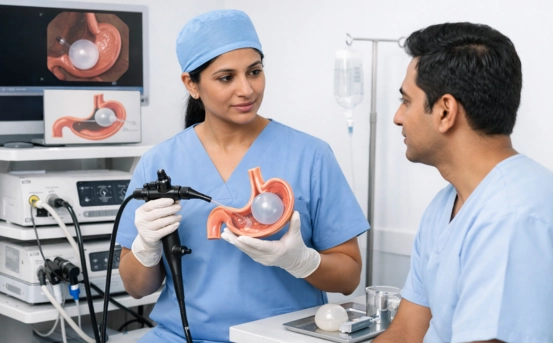
- Endoscopy (Upper GI Endoscopy) :- An upper gastrointestinal endoscopy is the most critical test for diagnosing eligibility for gastric balloon placement. During this procedure, the doctor uses a long, flexible tube with a camera to view the esophagus, stomach, and duodenum.
Endoscopy helps detect
- Gastric or duodenal ulcers
- Hiatal hernia
- Severe reflux disease (GERD)
- Gastric polyps or tumors
- Infections such as H. pylori
- Structural abnormalities
If any abnormalities are found, treatment may be required before balloon placement. In many cases, endoscopy is performed immediately before placing the balloon, ensuring the stomach is healthy enough to receive it.
- Imaging Tests (If Necessary) :- Although not always required, doctors may suggest imaging tests such as
- Abdominal Ultrasound :- To evaluate liver size, gallbladder health, and detect fatty liver.
- Barium Swallow Test :- Performed if motility disorders, structural issues, or swallowing difficulties are suspected.
These tests help ensure that the balloon will function optimally inside the stomach.
- H. pylori Testing :- H. pylori infection increases the risk of gastric irritation and ulcers. Therefore, screening is often recommended before gastric balloon placement.
Tests may include
- Blood test
- Urea breath test
- Stool antigen test
If H. pylori is detected, antibiotic treatment is initiated prior to scheduling the procedure.
- Psychological Evaluation :- Although gastric Balloon is not surgery, it still requires significant lifestyle changes.
A psychological assessment may be recommended to evaluate
- Eating patterns
- Binge-eating tendencies
- Stress or emotional eating
- Commitment to long-term dietary adjustments
This step improves patient readiness and long-term success.
- Nutritional Assessment :- A registered dietitian evaluates
- Current diet
- Food intolerances
- Eating behaviors
- Vitamin deficiencies
Nutritional counseling before and after balloon placement is essential for sustainable weight loss.
Conclusion
The diagnosis of gastric Balloon involves multiple steps including medical history review, lab tests, imaging, endoscopy, psychological screening, and nutritional evaluation. Each stage ensures patient safety, reduces complications, and helps customize a successful weight-loss plan.